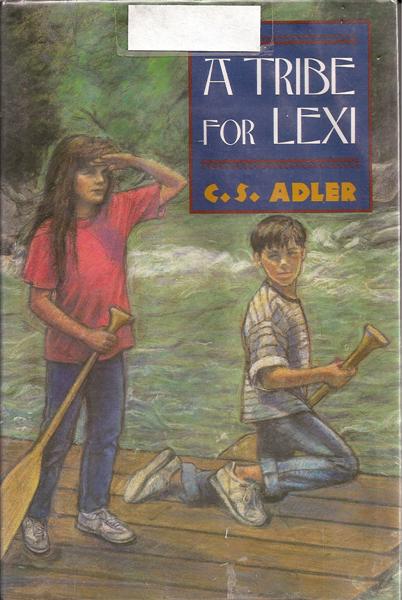
Lexi has always been an outsider. She lived in the Amazon and the deserts of Arizona before moving to Africa. But after their houseboy (her dear friend) was killed by soldiers, Lexi’s parents decide it is too dangerous for her to stay with them, so they send her to boarding school in the U.S. There she feels completely misunderstood as rumors spread about her strange past But she looks forward to staying at her aunt and uncle’s farm in upstate New York for the summer. She hopes to become a part of a big, happy family, but when she arrives, she quickly discovers that is not to be. Even though her two girl cousins try to include her, she does not share either their interests or their skills, and her older boy cousins spend their lives playing baseball. Only in Jeb, a year younger than Lexi, does she find a friend. A misfit himself, he is fascinated with the Indian way of life, and confides in Lexi that he has heard that a small tribe lives in the nearby mountains. He plans to run away to find the tribe and ask them to adopt him. Lexi decides to join him, and they set off down the river on a raft Jeb built. Their journey is full of mishaps but the adventure teaches both of them much about their own strengths.
Reading level: age 9-13 years
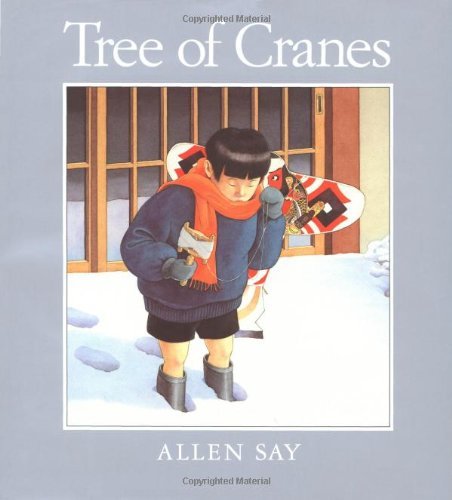
This is a story about a Japanese boy’s first Christmas. A Japanese mother who was born and raised in California decorates a Christmas tree and shares her childhood experiences of Christmas with her young son in Japan. It’s actually the story of the author and his mother, by the same author of Grandfather’s Journey and Tea with Milk.
Reading level: age 4-9 years
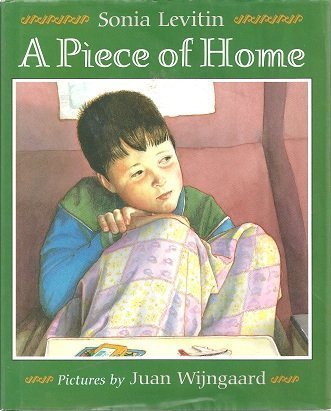
Gregor and his family are moving from Russia to America, and he is not sure he wants to go. He’ll miss his friends, teacher, and familiar places. When they pack, each family member is allowed to choose one memento to bring along, and Gregor decides on his blanket. When he meets his cousin in America, though, he is embarrassed by his choice, until he and his cousin discover that they have something very special in common. Fun fact: this book is illustrated by a TCK.
Reading level: age 4-8 years
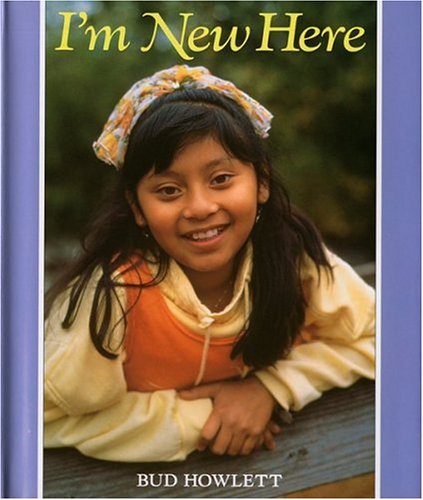
Jazmin has just arrived in California from El Salvador. Her mother prepares her by visiting her school ahead of time, but she is still nervous because she does not speak any English. Her homeroom teacher mispronounces her name, and she does not understand what people are saying to her. Eventually, though, she is able to demonstrate her ability to play soccer, and she makes a friend who begins to teach her English. Written in first person by Jazmin and illustrated with photographs, this book deals with going to a new school and learning a new language all at the same time.
Reading level: age 8-11 years
Missionary kids John and Lisa are glad to get back to Japan after furlough in America. Although they are sad to leave their relatives, they enjoy moving into their new house, making friends with the neighbor kids, and eating familiar Japanese food. Later, their family travels from their home in Sapporo in the north all the way to the southern city of Nagasaki, visiting various cities along the way. This is basically a coloring book with a storyline about the life of two MKs. Activities are interspersed throughout the book (e.g. mazes, crosswords, word searches, Japanese character writing, dot-to-dot). There is also an accompanying Parent/Teacher Guide that gives more information on Japan and gives lesson plans for five lessons, suitable for a children’s missions conference or a similar event.
Reading level: age 6-9 years
A compilation of essays on TCKs’ overseas and re-entry experiences written by some of the best known individuals in this field, this book is unlike other compilations on our website because these are not articles that have not been published elsewhere but essays written specifically for this book. It includes useful advice for parents seeking to help their children (especially teenagers) cope with the experience of returning to the U.S., a country often more
foreign to them than the host country. The chapter on “Religious Culture Shock” by Ruth Van Reken (an MK) will be of particular interest to missionary families.