A memoir of a missionary kid processing her experience of growing up abroad, and especially of going to boarding school as a young child, “Letters Never Sent” takes the reader through a process of healing and seeking closeness with God. Written in the form of letters to her parents (the original title is more apt: “Letters I Never Wrote”), this is her story from early childhood through adulthood as the discovery that pain and purpose can co-exist begins to bring comfort & healing.
While unmasking some of the darker sides of missions and especially the family separations that often go along with it, Van Reken still honors the good in her experiences and how much she loves her and parents and loves God. She doesn’t look at her experiences in black and white but still gives helpful advice to those who are on a similar journey towards recovery and to parents of TCKs who don’t want to repeat her parents’ mistakes.
A series of hand-drawn cartoons chronicles the real-life experiences of 3 boys whose dad works for the U.S. State Department. We meet them as small children when the family sets out for their first assignment in Mauritania, and the book follows them through postings in France, Cote d’Ivoire, the U.S., and Turkey where the last two boys graduate from high school. The simple, kid-friendly text, and nicely-drawn pictures describe the boys’ everyday lives (where/what they like to play, what type of school they attend, etc.) as well as sharing some of their adventures visiting interesting places in each of the countries. Though perhaps more enjoyable for expat kids who have plenty of similar adventures, the book does not assume that readers have prior knowledge of diplomacy, and starts by explaining diplomats & embassies. That makes it something that any kid could read to learn more about the lives of Third Culture Kids (TCKs) from the diplomatic sector.
Reading level: age 6-9
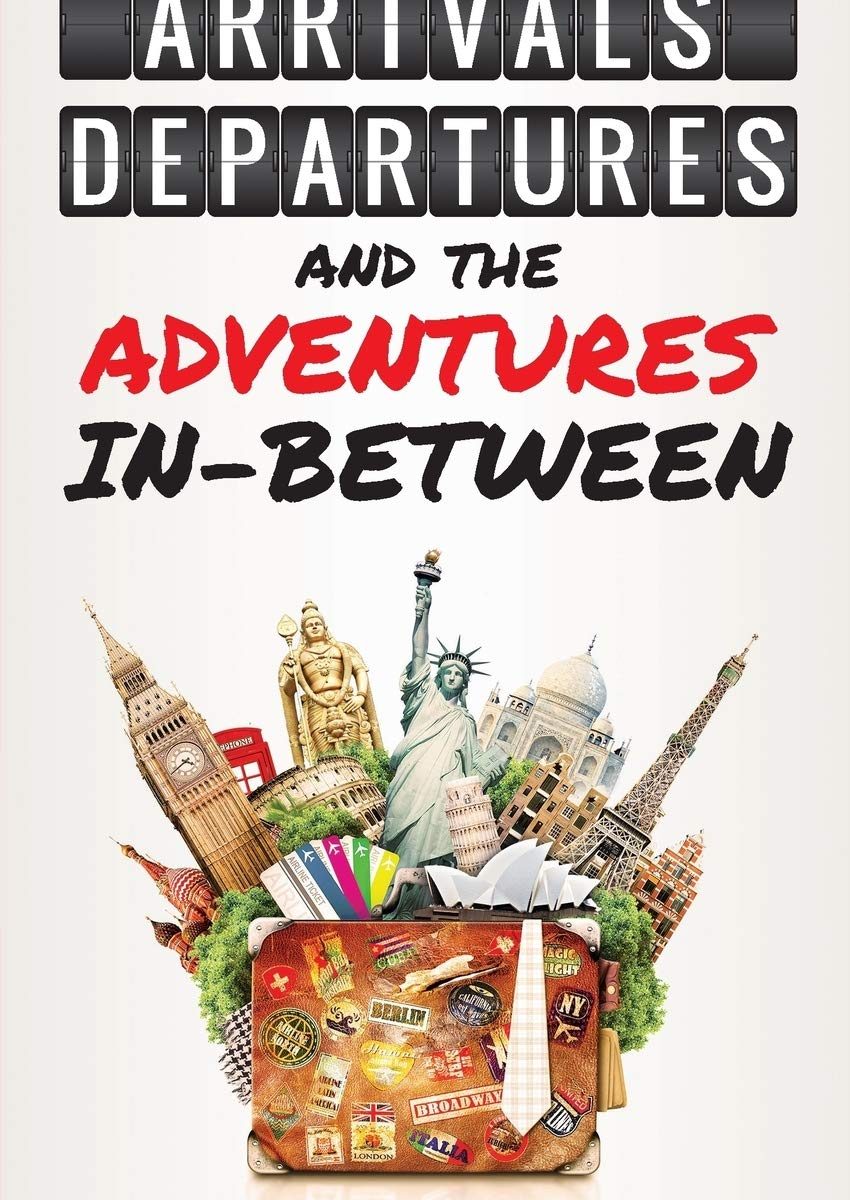
This is a fun book that summarizes what being a TCK is all about using hilarious anecdotes from the author’s adventures and crazy life. I laughed out loud a lot reading this book and that isn’t normal for me!”Arrivals and Departures” would be a great introductory book for teens and young adults learning about what it means to be an TCK. It’s easy to read because of all the stories and hits important issues for TCKs like dealing with grief, navigating new friendships, the difficulties of reentry and finding your identity.
O’Shaughnessy grew up as a military brat between England and the USA and most of his stories are drawn from travel in Europe, so this book would be best for European MKs. It seems like he assumes most MKs live in tight-knit communities with lots of friends and travel adventures, but I know plenty of MKs who feel lonely and disconnected, especially those in more remote parts of the world or those who do home-schooling or online school. This book may set up unrealistic expectations of community living and life-long TCK bonds that not all TCKs get to experience, but otherwise it’s a great read.
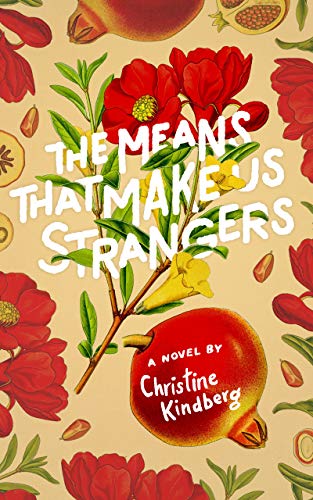
This novel follows Adelaide, who has lived her whole life in a small Ethiopian village with her anthropologist father, disengaged mother and two younger sisters. When she’s told that her family is moving to South Carolina you can’t help but cringe in thinking about this naive village girl leaving her village for the first time. Adelaide isn’t excited about it either and vows to come back and marry her childhood sweetheart.
Most of the story follows Adelaide’s friendship with the African American students who have enrolled in her white school. It’s 1964 in the South of the US and racial tensions are high. No one can understand why a white girl is friends with the black students and Adelaide can’t understand why it’s such a big deal since she has always been friends with black Africans.
This TCK novel follows some typical themes of culture shock and reentry which were rather extreme for Adelaide as she is basically as sheltered as someone can be. I also loved how Kindberg looked at racism and how white expats can be embracing of other cultures overseas and racist in their own countries. The end of the story also shows how difficult and different it can be to go back to where we grow up as an adult and realize we don’t fit like we used to.
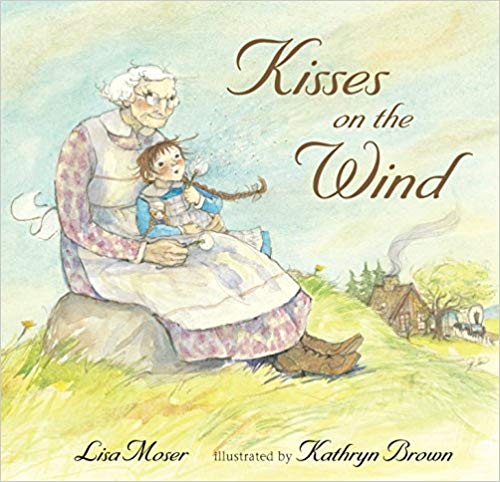
Set in the US in the days of the pioneers, this story, full of sorrow, tenderness and wisdom, is perfect for TCKs who face moving far from loved ones.
Lydia’s parents are packing the covered wagon that will take them to Oregon, a thousand miles away from all she’s ever known, and heartbroken Lydia just “can’t say goodbye to grandma.”
Lydia finds Grandma swinging on her swing and “picturing” – recalling memories of the good times they shared together. And thus begins a gentle, deliberate process of leave-taking guided by Lydia’s wise and comforting Grandma. Together they run and play, laughing and recalling their memories of this place and of each other. When sadness comes, Lydia puts her head on Grandma’s lap and cries until she runs out of tears. When it comes time to part, Grandma gives Lydia a gift that will soothe homesickness, and sends her on her way with “kisses on the wind” that they can exchange across any distance.
Disguised as a story, this book illustrates describes some extremely helpful ways to say goodbye well and ease the pain of “missing” when children separate from beloved family or friends. (But good luck reading it to your children without getting choked up).
Reading level: 3 to 7 years

In 1959, the bad-tempered missionary Nathan Price leaves Georgia with his family “to bring salvation to the darkness” of Africa. Though rejected by the Baptist missionary board for lack of psychological fitness, he defies them, moving his wife and four daughters unsupported to the jungle to save the “savage” citizens of Belgian Congo. Set against Congo’s fight for independence, the story is narrated in turn by Nathan’s wife and four daughters. It spans 3 decades and follows the family’s falling apart and coming back together. It’s wonderfully written. The subtle transformation of the mono-cultural daughters into culturally-blended TCKs is illustrated deftly. TCKs from that part of the world will delight in the vivid descriptions of life in Congo – some poignant, some laugh-out-loud funny. That said, it is a story of pain and loss that paints an extremely bitter picture of Missions, and that may make it difficult for some MKs to appreciate. The author is a TCK (but not an MK) who lived in Congo in this era.