Jon Kregel’s nonfiction, first person account of his life journey from missionary kid to professional soccer player (and teammate of soccer superstar Pele) to drug dealer and prison inmate. Jon writes about what really happens in the “glamorous” world of easy money and drugs. Against a backdrop of self-destruction and hopelessness emerges an inspiring, challenging story of the faithfulness of God and of forgiveness and reconciliation.
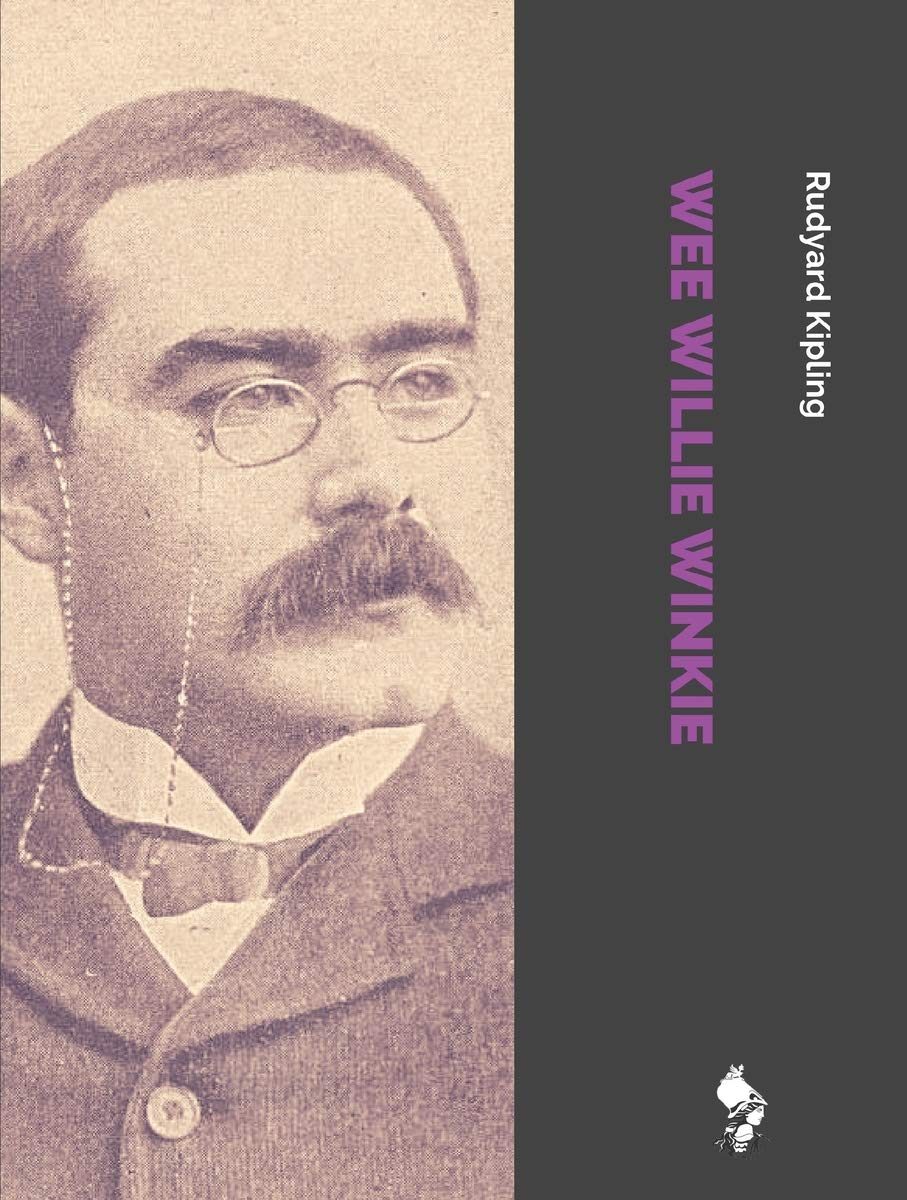
Rudyard Kipling is a controversial figure in today’s TCK world – a TCK from colonial times who wrote things that reflected the British mindset of the time, as well as things that were, for that era, remarkably counter-cultural and Progressive. For their historical value, we include from one short story collection, these three stories in which the protagonists are young British children raised in India.
Baa, Baa, Black Sheep – Two young children (ages 5 and 3 years), are brought back from India to England to stay for 5 years until their beloved parents can return to them. The heart-wrenching description of the bereft children’s misery when they realize their parents are gone hints that this story is probably based on Kipling’s own experience being left with a strict caretaker in England who had no understanding of his former life in India.
Wee Willie Winkie – Willie, the precocious, little son of a Colonel in British India stands up to some ruffians intent on harming the young fiancée of an officer who Willie idolizes, after she strays into their territory. The Shirley Temple movie of this name was adapted from this story.
His Majesty the King – A little English boy in India has the affection of his nanny and his playmate’s kind mother, but longs for his own, preoccupied parents to pay attention to him.
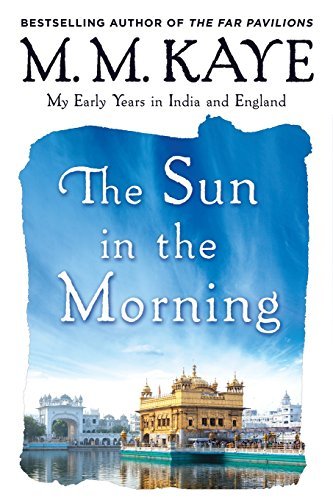
This is the autobiography of the best-selling British author M.M. Kaye, describing her childhood experiences in India in the early 1900s. The book is full of vivid descriptions of places and experiences that will appeal to many TCKs. Writing at age 82, she idealizes her early years in India and sees her return to England as a kind of purgatory, which some TCKs may relate to. M.M. Kaye’s autobiography continues with The Golden Afternoon, which tells of her return to India, and her sojourns in various countries as an adult.
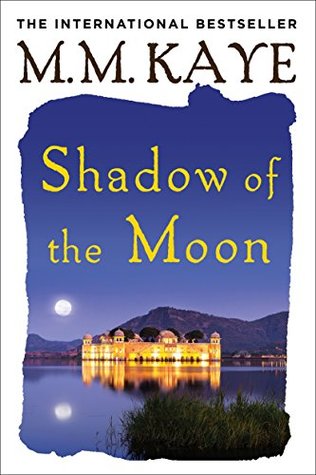
The story of Wintere Ballesteros, a half English half Spanish heiress born in India but later raised in England, who dreams of returning to her childhood home, where she will finally belong. When she returns to India as a young woman betrothed to man she has never met during the Sepoy uprising, her life is in danger, but she continues to long for her childhood home.
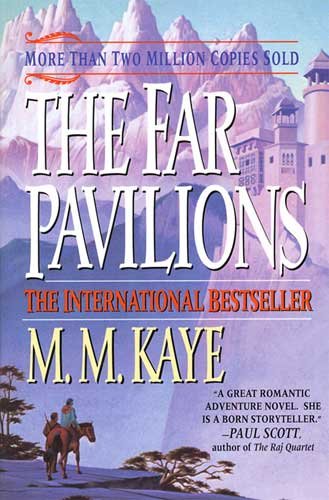
A historical novel set in turn-of-the-century India, The Far Pavilions follows the life of Ash, a British child raised as an Indian by his foster mother, until he is returned to England as an adolescent. His subsequent struggles to recapture his sense of belonging when he returns to India as a British officer are woven into the saga with romance, war, princesses, misunderstandings and clashes of cultures in British-ruled India. The author M.M. Kaye grew up in India during the era of the British Raj and draws on her own experiences.
Channe Willis, daughter of a successful American novelist, enjoys her carefree childhood in France until her parents adopt a French boy exactly her age. Her resentment of him and cruel treatment of him makes their relationship turbulent. When her father’s illness causes the family return to the United States during her mid-teens, she and her brother struggle to find their places. It is not until adulthood that they learn to love and respect each other and Channe begins to confront the ghosts of that long-ago sibling rivalry.
Channe’s parents have a very liberal parenting style, and some of their responses to her behavior may offend some people (as may some of Channe’s behavior). However, many of Channe’s experiences as a child, and even as an adolescent searching for love in a new, unfamiliar country, will resonate with TCKs.