Sacha Lasonder kan niet begrijpen dat haar ouders op dit idee zijn gekomen. Samen met haar drielingsbroers Sam en Nick doet ze er alles aan om de plannen van haar ouders te dwarsbomen. Tevergeefs. De datum van de verhuizing komt steeds dichterbij. Sasha houdt een dagboek bij. Ze schrijft daarin over het belachelijke plan van haar ouders, over de prikken die ze krijgt, over het afscheid nemen. En natuurlijk over hoe het is om in een ander land te gaan wonen. Helemaal niet zo vreselijk als ze van tevoren had gedacht.
——————————-
Sacha Lasonder can’t understand how her parents came up with this ridiculous idea of moving to Indonesia. She and her triplet brothers Sam and Nick do all they can to thwart their parents’ plans, but their efforts are in vain. As the date of the move gets closer, Sasha keeps a diary, writing about her thoughts about moving to Jakarta, about the vaccinations she gets, about saying goodbye, and eventually, about what it is like to live in another country – which is not at all as awful as she had imagined it would be.
THIS BOOK IS ONLY AVAILABLE IN DUTCH.
Although it is out of print as a stand-alone book, it is available as part of the Sasha Trilogy: available here: https://www.bol.com/nl/p/sasha-trilogie/1001004011832886/

Léa, une jeune adolescente de 13 ans vivant à Nantes, adore le théâtre et sa bande de copines qu’elle connait depuis toujours. Seule ombre au tableau, elle vit seule avec son père. Sa maman réside depuis six mois à Chicago pour des raisons professionnelles. Ses parents décident de réunir à nouveau leur petite famille. Pour cela, Léa et son père doivent quitter la France pour les Etats-Unis. L’annonce de cette nouvelle est loin de satisfaire Léa, une adolescente vive et déterminée à prendre sa vie en main. Cette histoire plaira tant aux jeunes ados rêvant d’ailleurs qu’à ceux directement concernés par la problématique de l’expatriation. Ils se reconnaîtront dans les états d’âme de Léa, ses humeurs, ses joies et ses peurs. Un livre pour les pré-ados et jeunes ados expatriés ou sur le point de le.
Thirteen year old Léa lives in Nantes. She loves the theater and the friends she has known her whole life. The only downside is that she lives alone with her father because her mother has been working in Chicago for six months. When Léa’s parents decide to reunite their little family, she and her father must leave France for the United States – which is hardly good news to Léa, a lively teenager determined to take charge of her life.
This story will appeal to pre-teens and young teen Third Culture Kids, or about to become TCKs. They will recognize themselves in Lea’s feelings – her joys and her fears.
THIS BOOK IS ONLY AVAILABLE IN FRENCH
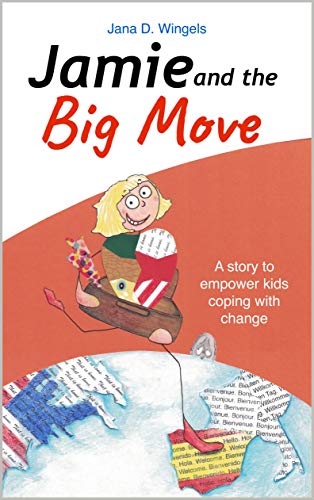
Jamie is surprised when her parents tell her and her brother that they’re moving to Spain! As she begins to think of it, Fear comes (in a shadowy form) and whispers things that make her afraid. What if she forgets her language? What if she never finds another best friend? As these fears come up, Jamie leaves pieces of her heart all around her town until she’s all out of heart pieces.
Then excitement comes and turns all her worries around. She goes back around town and collects back her heart pieces, each coming with encouragement like, “Home doesn’t have to be just one place,” and “You will learn important lessons wherever you go, they will just be different!”
Reading level: 5-8 years
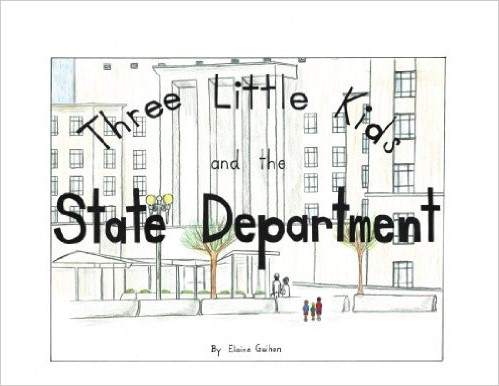
A series of hand-drawn cartoons chronicles the real-life experiences of 3 boys whose dad works for the U.S. State Department. We meet them as small children when the family sets out for their first assignment in Mauritania, and the book follows them through postings in France, Cote d’Ivoire, the U.S., and Turkey where the last two boys graduate from high school. The simple, kid-friendly text, and nicely-drawn pictures describe the boys’ everyday lives (where/what they like to play, what type of school they attend, etc.) as well as sharing some of their adventures visiting interesting places in each of the countries. Though perhaps more enjoyable for expat kids who have plenty of similar adventures, the book does not assume that readers have prior knowledge of diplomacy, and starts by explaining diplomats & embassies. That makes it something that any kid could read to learn more about the lives of Third Culture Kids (TCKs) from the diplomatic sector.
Reading level: age 6-9
Hudson the dog was really excited to get to Paris because his owner told him that dogs get to go everywhere around the city with their owners. He got to go to the bakery and the hairdresser’s and a cafe. But when he arrived at the dog park, he discovered that he couldn’t understand the other dogs! So Hudson enrolled in French classes and started to learn new words to make friends with other expat dogs and Parisian dogs and even got a French girlfriend.
This cute story introduces kids to some basics of moving, like finding the bright side and learning the language and making new friends. Could be fun for little kids who have moved or are preparing to move (or want to visit Paris!).
Reading level: age 5-8 years
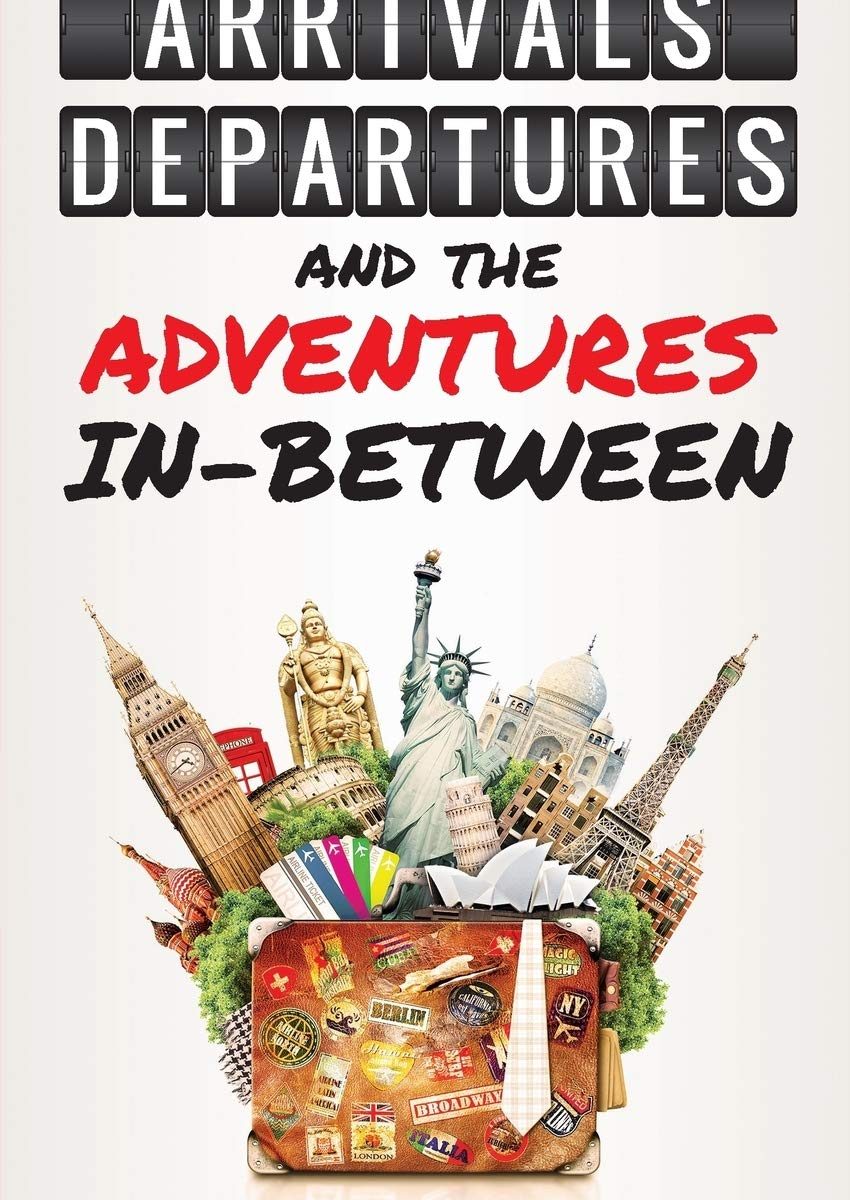
This is a fun book that summarizes what being a TCK is all about using hilarious anecdotes from the author’s adventures and crazy life. I laughed out loud a lot reading this book and that isn’t normal for me!”Arrivals and Departures” would be a great introductory book for teens and young adults learning about what it means to be an TCK. It’s easy to read because of all the stories and hits important issues for TCKs like dealing with grief, navigating new friendships, the difficulties of reentry and finding your identity.
O’Shaughnessy grew up as a military brat between England and the USA and most of his stories are drawn from travel in Europe, so this book would be best for European MKs. It seems like he assumes most MKs live in tight-knit communities with lots of friends and travel adventures, but I know plenty of MKs who feel lonely and disconnected, especially those in more remote parts of the world or those who do home-schooling or online school. This book may set up unrealistic expectations of community living and life-long TCK bonds that not all TCKs get to experience, but otherwise it’s a great read.