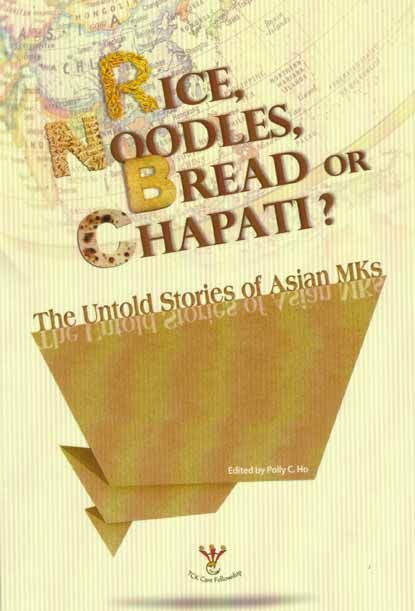
“The MKs of Asian missionaries have been unwittingly neglected, because many of us Asians felt that we should sacrifice ourselves and our family for the Lord and our ministry.”
This sad truth of the history of neglect of Asian MKs is addressed in this book with suggestions for how to change the patterns that have begun. With a look at the personal stories of Asian MKs and the development of better MK care, there is hope in the unfinished stories told. With fun anecdotes as well as a deeper look at finding identity in Christ, this is a wonderful book not only for Asian MKs but for all MKs and those who care about them.
This book has five parts:
- Biblical Sharing on MK Care
- MK Stories
- Development of MK Care
- MKs in MK Care
- MKs Advocating for MKs
I was unable to find an online seller of this book but you can contact the publisher at tck.sgp@gmail.com and they may be able to help you find a copy. If someone finds an online seller of this book, please let me know and I will add it here.
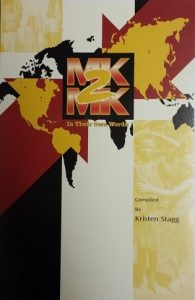
This compilation of essays, poems and letters from adult MKs from around the world shows the heart of missionary kids. The book is divided into 3 sections, all with about the same number of entries:
- Adjusting (with entries like “Furlough,” “Can I Come Home,” and “Alien Planet USA”
- Anecdotes and Adventures (with “To Catch a Plane” and “Lessons from Amazonas”
- Identity ( with “Belonging,” “Pieces of My Heart” and “My Homeland”
This book is difficult to find and I could only locate one seller, in Canada. However, it is a great collection from a broad selection of MK that other MKs can relate to.
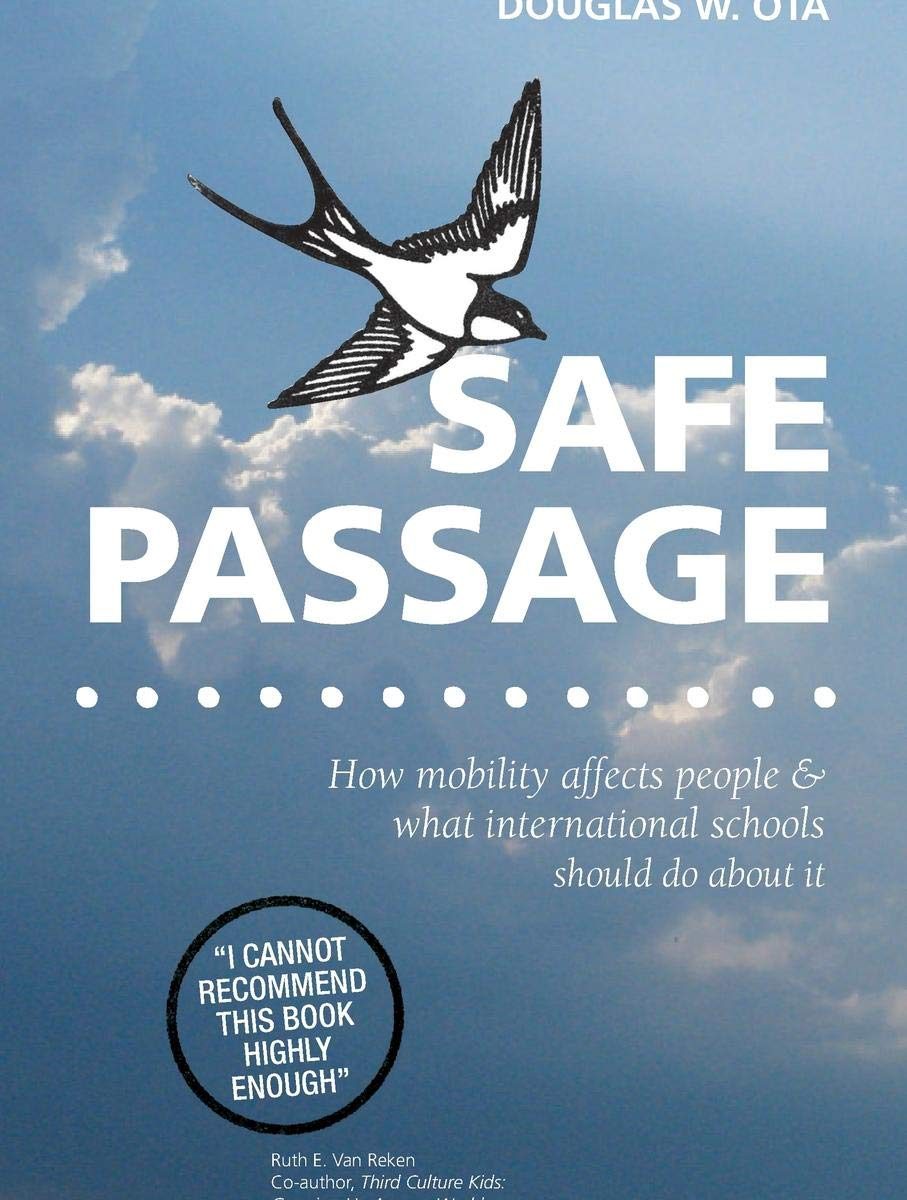
Focused mostly on educators, this book looks into the effects of moving and transition on students and people in general. Using brain science, attachment theory, meta-analysis and personal stories, this is a well-rounded look into the effects of mobility. Though focused on international schools, this book is also beneficial for parents, TCKs, and organizations that experience high mobility.
The book is organized into three sections:
- On the High Seas: Why Moving Across Cultures is Challenging
- Finding a Safe Harbor: Building Programs to Match the Challenge
- Ensuring Safe Passage: Navigating Mobile Lives Through the Hearts of Schools
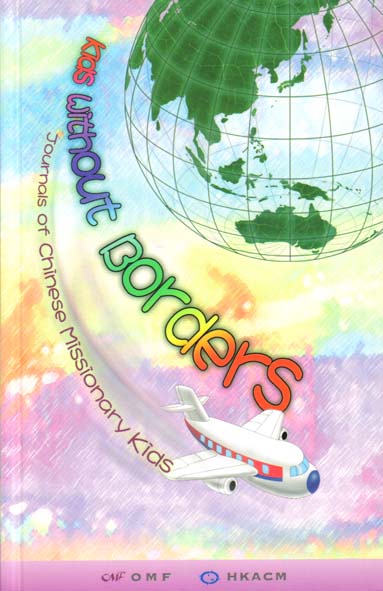
This collection of writings from Asian MKs who have lived all around the world gives insight into the experiences of MKs of all ages. The book is split into three sections: Children, Adolescents and Adults with journal entries from different MKs on a variety of subjects from school to goodbyes to rootedness. Most of the writers have a connection to Hong Kong (where the editor is based) and have at least one Chinese parent but their experiences are varied. Many issues unique to Asian MKs are addressed, like differences in education systems, maintaining Chinese roots, and cultural differences within the family.
This book would be great for Asian TCKs processing their own experiences, Asian missionary parents and those working with Asian MKs. Understanding a TCK perspective other than the Western one is beneficial to all TCK workers, as well.
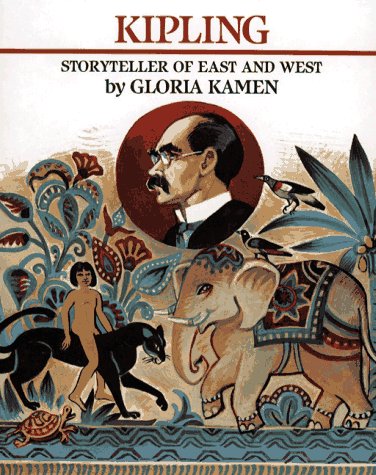
In simple language, the author tells the true story of Rudyard Kipling, who spent his early childhood in India, and returned there after completing his education in England. Because his ayah and servant told him (in Hindi) about their views of the world and of religion, Kipling struggled when he was left in England with a family who allowed no questions about their way of doing things. This story focuses mostly on Kipling’s childhood and young adulthood.
Reading level: age 9-12 years
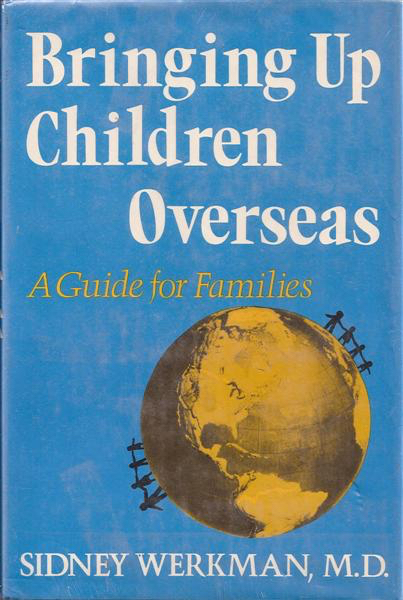
Probably the earliest book devoted to the subject of raising children overseas, this book still has insight to offer on this topic. Werkman, a child psychiatrist, drew on his extensive experience as a consultant to the US State Department and Peace Corps in writing about TCKs. He covers moving preparations, initial adjustments, the children’s educational needs, the family’s medical and psychological requirements, and the return to the USA. While some of the particulars have changed over the years many things the author describes continue to be encountered and his suggestions are largely still relevant.