Misunderstood is a decent introductory book for those looking to better understand TCKs, written for TCKs themselves, parents, and those who care for TCKs (like counselors or those who work for the parents’ organizations). It goes into detail about the different types of TCKs (like military brats, missionary kids, etc.) and the pros and cons of different schooling options while outside your passport country.
The book is based on interviews that the author has conducted on a large sample of TCKs and included many quotes and stories to accompany each section. While this lends credibility to her book, it can also be misleading.
Being a TCK caregiver, I know many TCKs who would disagree with the generalizations that she makes. It seems she interviewed TCKs who identify strongly with their overseas experiences and have struggled in adapting to their passport cultures. She said every TCK she interviewed claimed reentry was “a particularly difficult experience” (pg. 211). I know several TCKs who would disagree and say the experience was not very difficult for them. Many TCKs adapt well to their passport culture and do not strongly identify with being a TCK, though these are probably the TCKs least likely to volunteer to be interviewed about TCK experiences.
So while the book as a whole is a good summary of TCK experiences in general, one has to keep in mind that her interview sample was likely skewed and many TCKs would say her generalizations about TCK beliefs and experiences do not fit them.
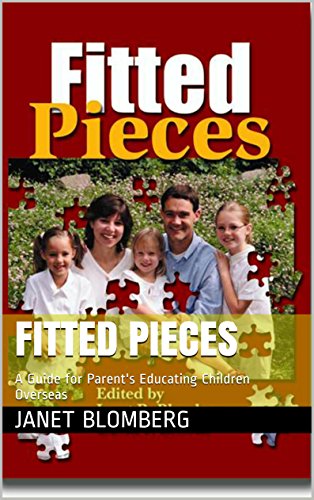
With over 90 essays in this collection for parents educating children overseas, it is indeed a comprehensive guide to TCK educational issues. Covering a large range of topics from choosing a national school to second-language learning to online learning, this volume will answer most questions parents have about educating their child overseas. With the essay format, it’s easy to pick which topics are most relevant to read (because at 667 pages, I doubt most people will finish the whole thing). One downside to this volume is that it is on the older side, being published in 2001, and the overseas educational world has changed in the time since its publication. Here are the essay sections covered:
- Basic Pieces
- Child Development Pieces
- Cross-cultural pieces
- Educational Development Pieces
- Cross-cultural Education Pieces
- Home Education Pieces
- National School Pieces
- Looking for some other pieces
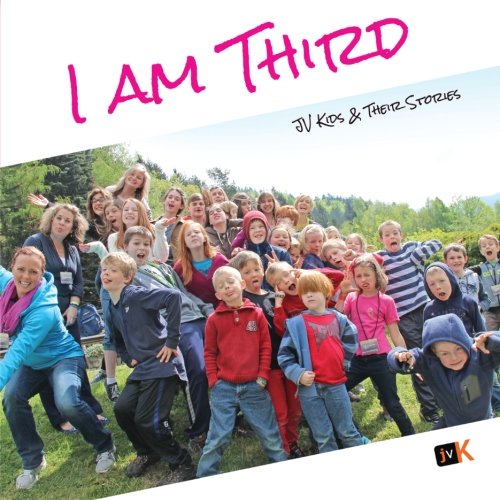
This collection of stories from kids in the Josiah Venture mission show what life is really like as a missionary kid in Europe. From elementary schoolers drawing pictures of lightsaber battles to high schoolers sharing their fears about moving and making new friends, there are a great variety of stories in this book. This could be a helpful book to get for kids who are worried about moving overseas and wonder what their life will be like once they move. Or for MKs who are lonely and want a connection to other MKs’ stories.
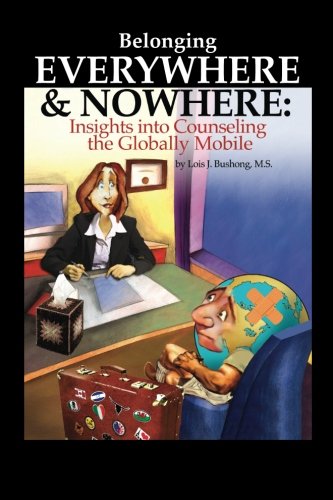
This is a fantastic book for professional counselors (from psychologists to pastoral counselors) to better understand their TCK clients and how to treat them effectively. It covers the basics of what a TCK is and then goes deep into treatment methods, common struggles TCKs face and even how to say goodbye well at the end of therapy. I really loved Bushong’s creative therapeutic techniques, like making an identity model with your client showing who you look like to others and how you feel on the inside by using a collage on int he inside and outside of a paper bag.
Another valuable aspect of this book is addressing how to diagnose TCKs, and recognizing that some thing that look pathological in TCKs may actually be a form of grief or a cultural difference. I highly recommend this book to anyone who counsels TCKs or works with them in TCK care.
This unique book focuses on mobile families with extra layers of complexity – those who are multicultural, multilingual, multi-ethnic and/or multi-faith.
The author uses the metaphor of a South American shirt called a “mola,” made from layered fabrics that are carefully cut and stitched to reveal the colors of the inner layers. MOLA families, she explains, also have many layers. The “MOLA toolkit” helps families sort out the complexities and create a life “by design.” The author weaves together her own family’s story, examples of other MOLA families, insights and information, advice (both her own and that of other intercultural experts), and thought-provoking questions.
At the end of each chapter guided activities help families apply the insights and tools and Conversation Starters prompt meaningful family discussions.
This is a truly ground-breaking book that covers issues other books do not. Though some parts would be relevant for any Third Culture (or Cross-Cultural) family, it is really written for families that bring together -through marriage, birth or adoption- parents and kids who have a variety of nationalities, ethnicities or faiths, and/or speak a variety of languages.
This is an excellent resource for educators who want to help mobile families, like TCKs at international schools. Focusing on elementary classrooms, “New Kid in School” gives practical advice, lesson plans and lots of children’s book recommendations for teachers to incorporate into their curriculum. It takes theory about mobility and turns it into usable material for educators.
This book has 7 chapters:
- Background of the Book
- The Common Experience of Mobility
- The Process of Transition
- Personal and Cultural Identity
- Friendships and Relationships
- Problem-Solving Skills
- Moving Back