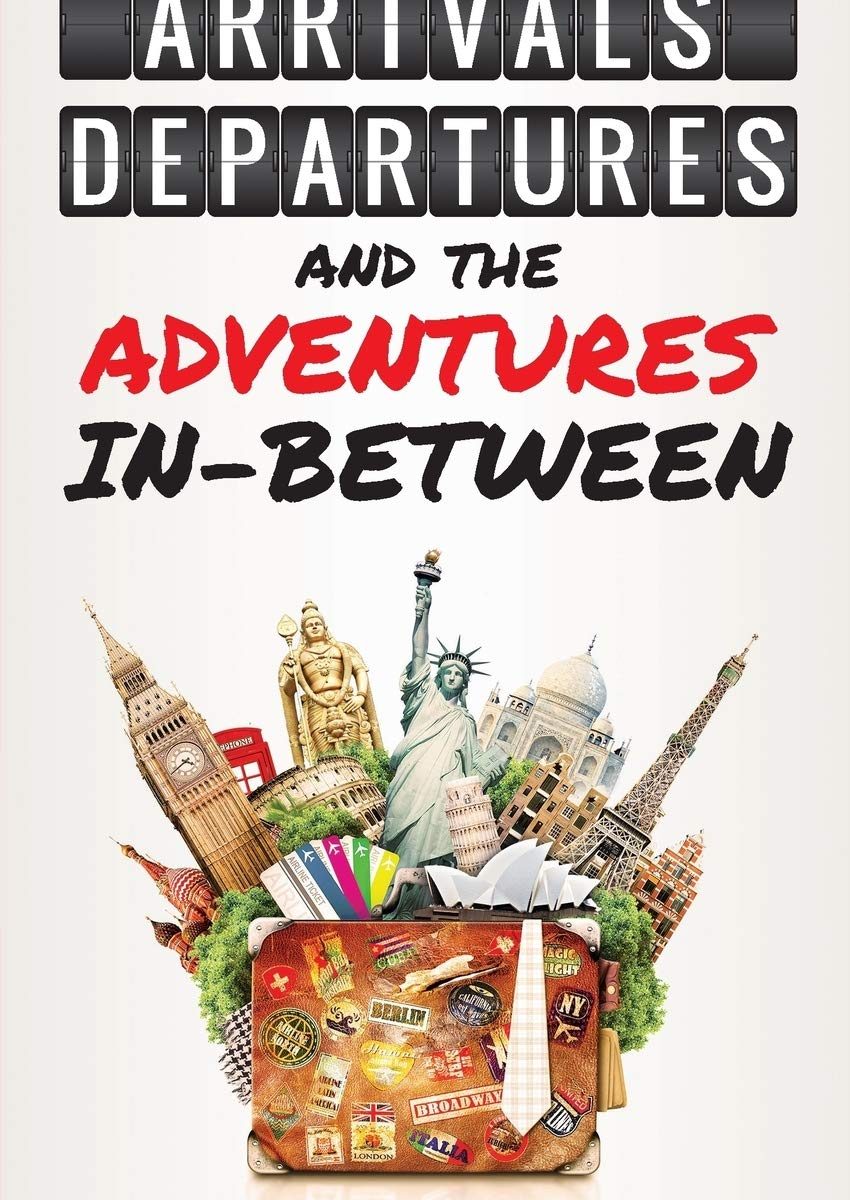
Arrivals, Departures and the Adventures In-Between

This is a fun book that summarizes what being a TCK is all about using hilarious anecdotes from the author’s adventures and crazy life. I laughed out loud a lot reading this book and that isn’t normal for me!”Arrivals and Departures” would be a great introductory book for teens and young adults learning about what it means to be an TCK. It’s easy to read because of all the stories and hits important issues for TCKs like dealing with grief, navigating new friendships, the difficulties of reentry and finding your identity.

O’Shaughnessy grew up as a military brat between England and the USA and most of his stories are drawn from travel in Europe, so this book would be best for European MKs. It seems like he assumes most MKs live in tight-knit communities with lots of friends and travel adventures, but I know plenty of MKs who feel lonely and disconnected, especially those in more remote parts of the world or those who do home-schooling or online school. This book may set up unrealistic expectations of community living and life-long TCK bonds that not all TCKs get to experience, but otherwise it’s a great read.

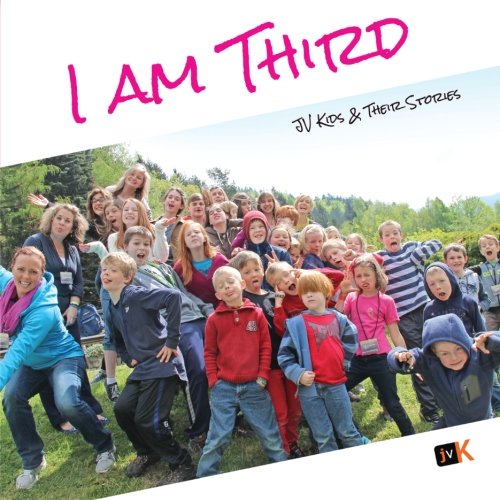
I Am Third

This collection of stories from kids in the Josiah Venture mission show what life is really like as a missionary kid in Europe. From elementary schoolers drawing pictures of lightsaber battles to high schoolers sharing their fears about moving and making new friends, there are a great variety of stories in this book. This could be a helpful book to get for kids who are worried about moving overseas and wonder what their life will be like once they move. Or for MKs who are lonely and want a connection to other MKs’ stories.

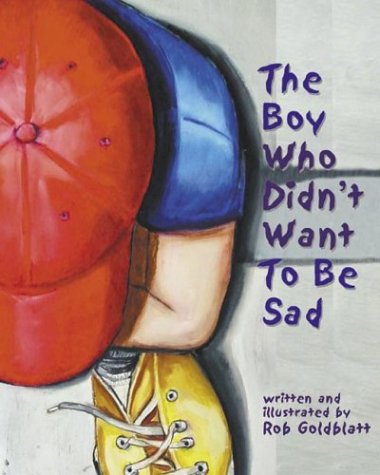
The Boy Who Didn’t Want to be Sad

This is an all-ages book that should be in every TCK’s library, even though it is formatted like a children’s book. It tells the story of a little boy who decides to banish everything that makes him sad, only to find that without all those things he’s… sad! Realizing that the things that make him sad also make him happy, he reclaims everything & lives happily & sadly ever after. A funny story with a powerful message about the paradox of TCK life–that joy & sadness go hand-in-hand.

“The Boy Who Didn’t Want to be Sad” is a great book for kids (and teens and adults) who are tired of all the goodbyes and losses of a mobile life. Whether it’s moving or being left behind by friends who move away, it can seem easier to stop investing because it hurts. This book reminds us that what brings us sadness is also what brings us joy.

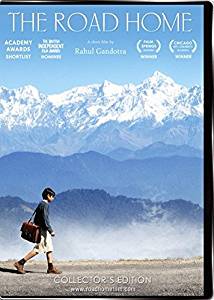
The Road Home

“Growing up in England, ten-year old Pico never wanted to go to boarding school in the Himalayas, and despite the beauty there, he struggles to fit in. When he’s bullied for insisting he’s British in spite of his Indian heritage, he runs away, determined to return to his home in London. As he journeys through a country foreign to him, Pico encounters others who mistake him for an Indian boy, forcing him to face the painful truth that the world does not see him the way he sees himself.”

This semi-autobiographical film, shot in the Himalayas around Woodstock International School, is a masterpiece. Breathtakingly beautiful, it was shortlisted for the Oscars and nominated for the BAFTAs (Britain’s Oscar equivalent) as well as winning scores of awards at film festivals around the world. But for those who understand the experience of being a Hidden Immigrant – where how you look outside doesn’t fully match how you feel inside – it is more than a lovely movie. It is also heart-stirring. It illustrates that experience with poignancy and humor, evoking laughter and often a few tears.  I have literally watched it over 100 times, and it never gets old.  

The writer and director spent the first 9 years of his life in the UK and Saudi Arabia before returning to his parents’ homeland in India. The film is loosely based on his early days at Woodstock International School.

Read more about the film or watch it online for free at the director’s website

Want your own copy, or want to watch it in another language?  The Collector’s DVD comes with extra features like commentaries, including one that tells the director’s own TCK story and how he came to make this film, *PLUS* subtitles in 14 languages (all translated by fellow TCKs).

Want to use the film in a TCK group, conference or classroom?  The Professional DVD comes with a screening license for groups of any size *PLUS* two professional commentaries, discussion questions, and more.  Purchase it from Amazon here. Parents, caregivers and educators of TCKs can order Professional DVDs at a discount by emailing Heidi Tunberg.

Dialogue:  English & Hindi (with English subtitles for the Hindi)

Subtitles (DVD version):  English (full dialogue), French, German, Spanish, Italian, Portuguese, Chinese, Japanese, Korean, Tagalog, Bahasa Indonesia, Thai, Greek, and Arabic

Rosie’s Letters

Rosie gets a letter from the boy down the street… then he moves away. But he keeps sending letters, even after Rosie moves to new places, again and again.

One day, it’s time for Rosie to go home. But “Rosie had a problem… Rosie had too many homes.” Which was her REAL home?  In this truly delightful TCK love story (based on the real life story of the writer and her husband), Rosie discovers an important TCK truth – home is not a place but a person. This book relates to people of all ages, from children to adults.

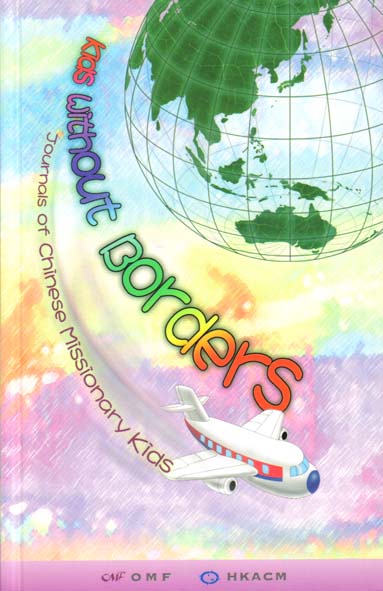
Kids Without Borders: Journals of Chinese Missionary Kids

This collection of writings from Asian MKs who have lived all around the world gives insight into the experiences of MKs of all ages. The book is split into three sections: Children, Adolescents and Adults with journal entries from different MKs on a variety of subjects from school to goodbyes to rootedness. Most of the writers have a connection to Hong Kong (where the editor is based) and have at least one Chinese parent but their experiences are varied. Many issues unique to Asian MKs are addressed, like differences in education systems, maintaining Chinese roots, and cultural differences within the family.

This book would be great for Asian TCKs processing their own experiences, Asian missionary parents and those working with Asian MKs. Understanding a TCK perspective other than the Western one is beneficial to all TCK workers, as well.