Rosie gets a letter from the boy down the street… then he moves away. But he keeps sending letters, even after Rosie moves to new places, again and again.
One day, it’s time for Rosie to go home. But “Rosie had a problem… Rosie had too many homes.” Which was her REAL home? In this truly delightful TCK love story (based on the real life story of the writer and her husband), Rosie discovers an important TCK truth – home is not a place but a person. This book relates to people of all ages, from children to adults.
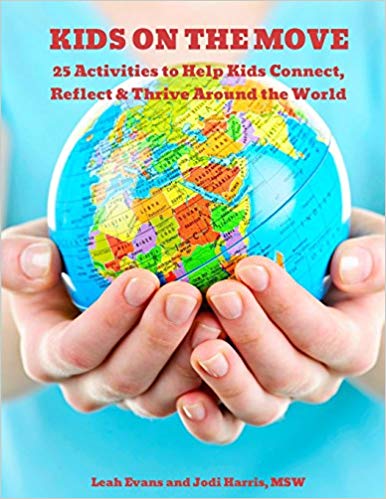
Third Culture Kids live in world filled with goodbyes and cultural adjustments and they may not always know how to express and process the complicated thoughts and feelings that arise as they navigate those experiences. This book offers simple exercises that kids or teens can do to better connect with their inner experiences. It offers tools to help them gain insight and understanding and to learn healthy ways to handle their feelings.
The topics and types of activities vary widely. They include such things as recollecting favorite things, learning to problem solve, creating a family tree, reflecting on identity, constructing a life timeline and much more. Some activities are specifically related to TCK mobility or cross-cultural experiences while others are simply skills for building emotional health.
Worksheets are simply drawn. Some are suitable for younger children, especially if a parent could read the “instructions” to them. Older children or teens could work through the book independently or parents (or teachers or counselors) could go through the book with kids/teens, using the activities to spark reflection and discussion.
Reading level: 6 to 13 years
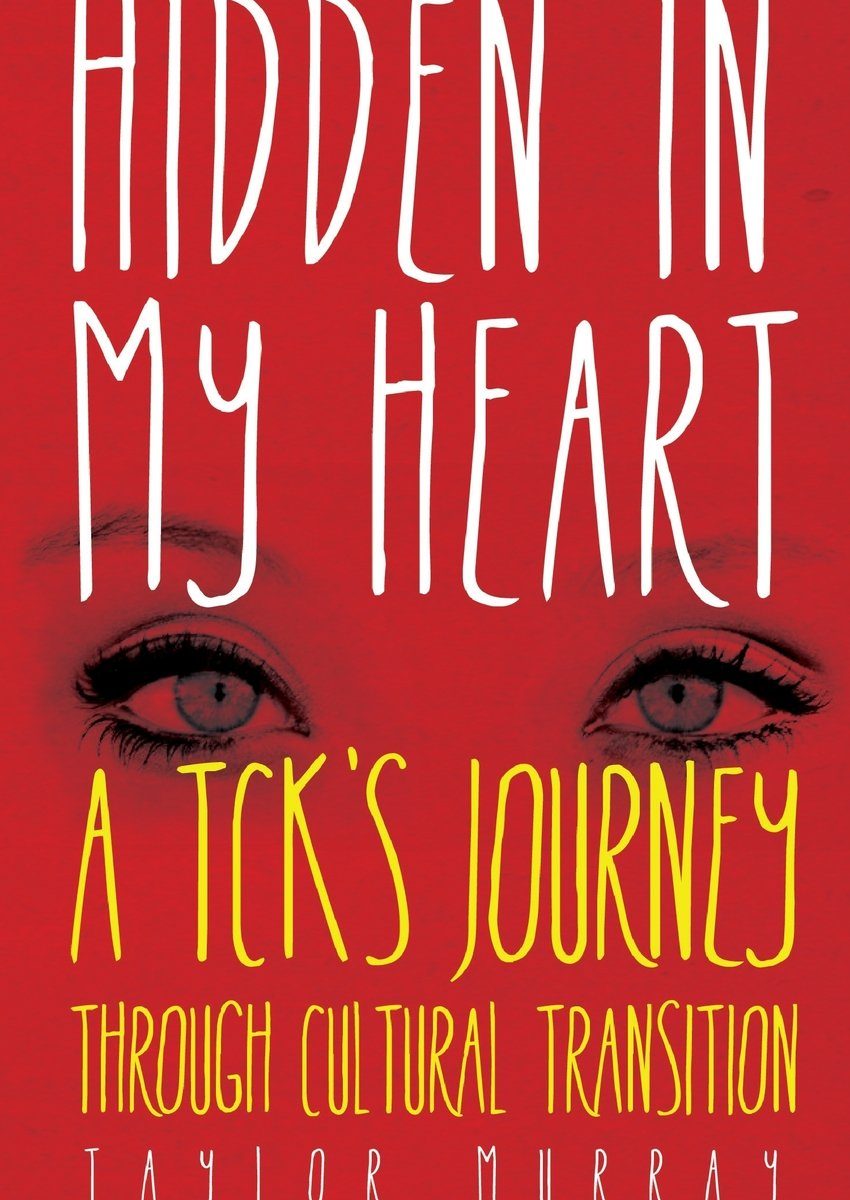
In a series of very vulnerable journal entries, 14-year-old Taylor processes her emotions of her transition to Japan when she was 9 and the difficulties and joys of life there. While on home assignment in the US, Taylor finally let herself grieve losses and name her emotions. The book is split into 2 sections: the first part is focused on her pain and in the second is able to see the joys in her experiences.
It can be hard to read about her loneliness and how desperately she wanted to fit in with the Japanese people around her. I just wanted to give her a big hug (but I don’t know her and that would be weird!). Seeing how God put caring people in her life even when she couldn’t recognize them as blessings is encouraging and a reminder that God is with all of us in our grief and transition and language learning and every difficulty.
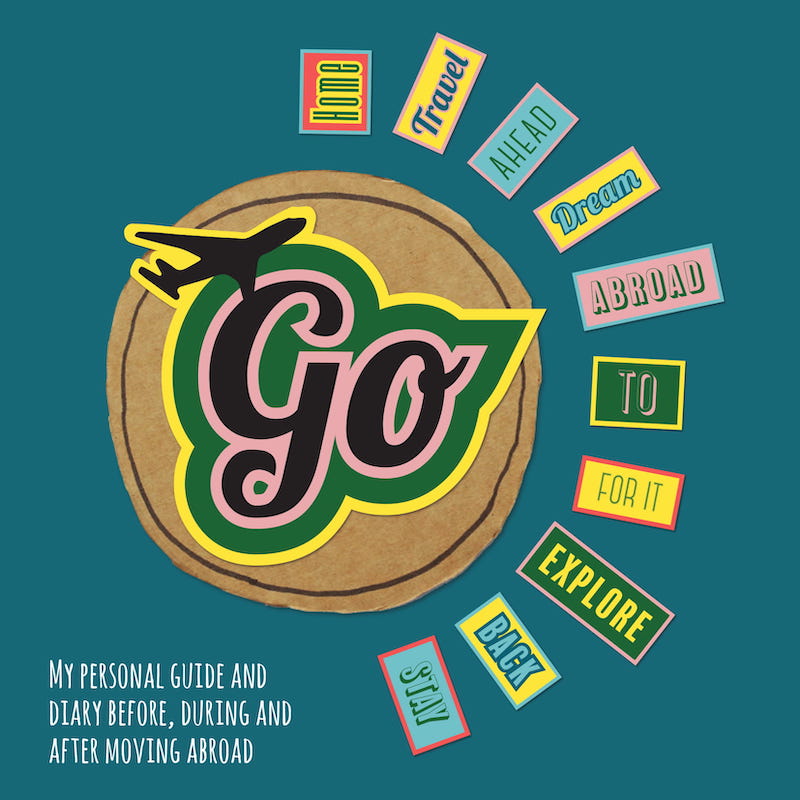
This gorgeous full color workbook for children and adolescents is a delight to look at and just as fun to read. Go! is divided into three sections: pre-field, entering a new country, and re-entry. A TCK can complete the whole book or just the section to applies to them at the time. Younger children will need help with some of the reading and projects, though many activities are drawing and not writing.
Go! helps TCKs to process their emotions (there is a whole page of emotions to choose from), record memories, say goodbye well and learn to make new friends. Parts of it are creative and fun and it is also very deep. I would have loved to have a workbook like this when I was young and I’m still tempted to fill mine out. It ships from Denmark (I believe it’s available in English and Danish) and at the time of writing this isn’t available on Amazon so be sure to allow time for it to arrive if you aren’t ordering within Europe. Order it here.
Reading level: age 6-13
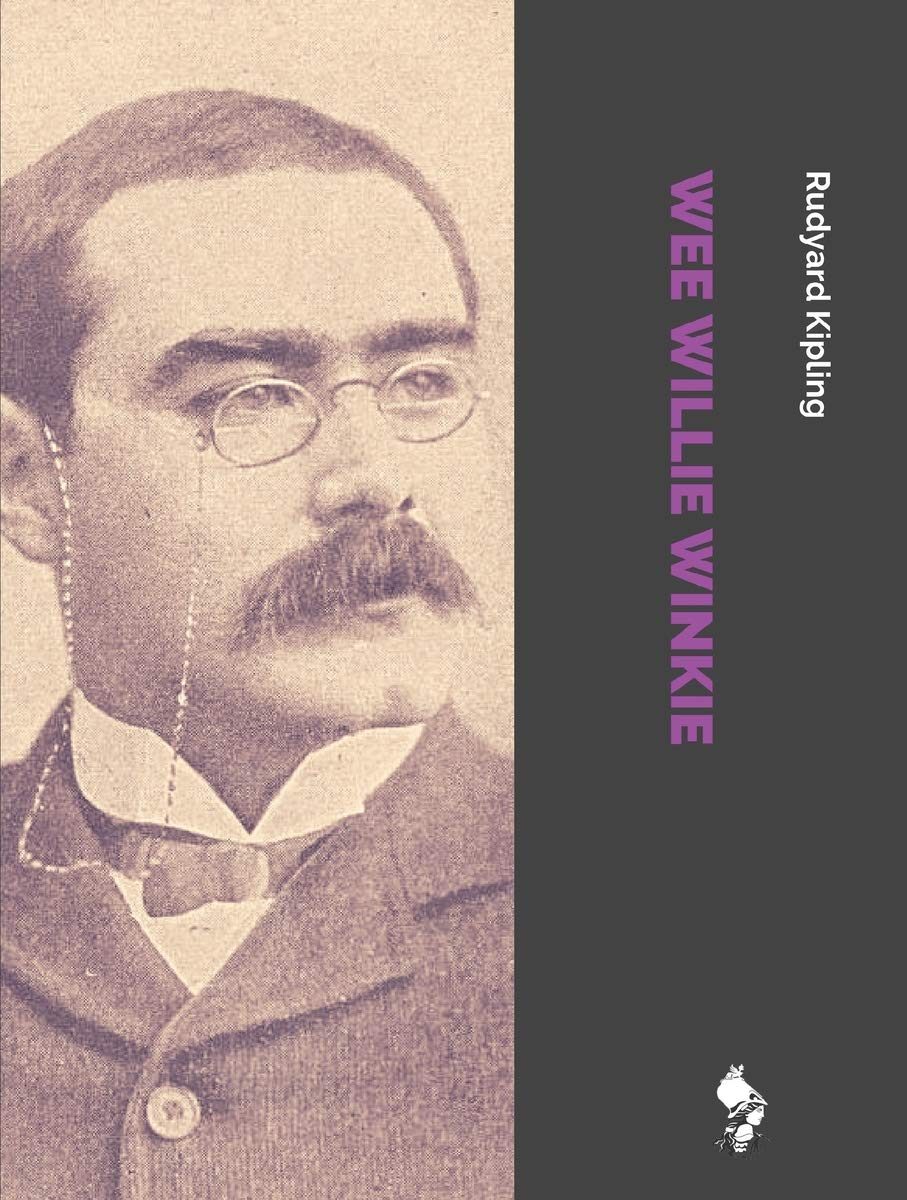
Rudyard Kipling is a controversial figure in today’s TCK world – a TCK from colonial times who wrote things that reflected the British mindset of the time, as well as things that were, for that era, remarkably counter-cultural and Progressive. For their historical value, we include from one short story collection, these three stories in which the protagonists are young British children raised in India.
Baa, Baa, Black Sheep – Two young children (ages 5 and 3 years), are brought back from India to England to stay for 5 years until their beloved parents can return to them. The heart-wrenching description of the bereft children’s misery when they realize their parents are gone hints that this story is probably based on Kipling’s own experience being left with a strict caretaker in England who had no understanding of his former life in India.
Wee Willie Winkie – Willie, the precocious, little son of a Colonel in British India stands up to some ruffians intent on harming the young fiancée of an officer who Willie idolizes, after she strays into their territory. The Shirley Temple movie of this name was adapted from this story.
His Majesty the King – A little English boy in India has the affection of his nanny and his playmate’s kind mother, but longs for his own, preoccupied parents to pay attention to him.
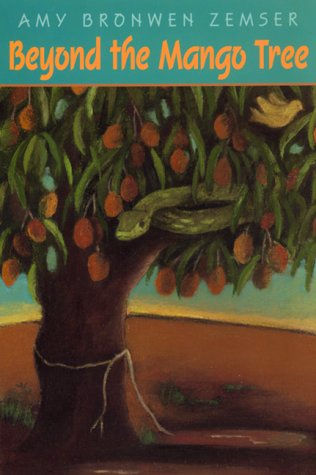
If you are looking for a light, uplifting book, this is not the one to choose. While beautifully-written, it is a sad, even tragic, story about Sarina, a 12-year old American girl living in Liberia. Sarina’s father, busy with his business responsibilities in other parts of the country, leaves her alone to care for her mother, a woman whose severe diabetes leaves her both physically frail and emotionally unstable. Fearful of losing her daughter, Sarina’s mother ties Sarina to the mango tree in their yard. When the lonely Sarina meets Boima, a young Liberian boy, she keeps their friendship a secret for fear her mother will prevent her from seeing him. Through their friendship she learns about the Liberian life beyond her own yard – both its joys and its tragic sorrows. Although the book is labeled as being for age 10 and up, its content seems more appropriate for slightly older readers.
Reading level: age 11-14 years