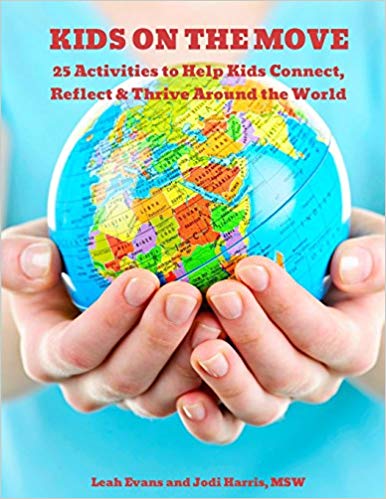
Third Culture Kids live in world filled with goodbyes and cultural adjustments and they may not always know how to express and process the complicated thoughts and feelings that arise as they navigate those experiences. This book offers simple exercises that kids or teens can do to better connect with their inner experiences. It offers tools to help them gain insight and understanding and to learn healthy ways to handle their feelings.
The topics and types of activities vary widely. They include such things as recollecting favorite things, learning to problem solve, creating a family tree, reflecting on identity, constructing a life timeline and much more. Some activities are specifically related to TCK mobility or cross-cultural experiences while others are simply skills for building emotional health.
Worksheets are simply drawn. Some are suitable for younger children, especially if a parent could read the “instructions” to them. Older children or teens could work through the book independently or parents (or teachers or counselors) could go through the book with kids/teens, using the activities to spark reflection and discussion.
Reading level: 6 to 13 years
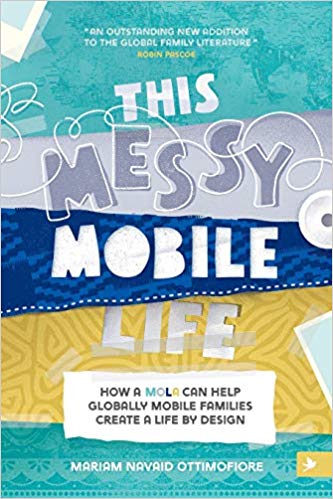
This unique book focuses on mobile families with extra layers of complexity – those who are multicultural, multilingual, multi-ethnic and/or multi-faith.
The author uses the metaphor of a South American shirt called a “mola,” made from layered fabrics that are carefully cut and stitched to reveal the colors of the inner layers. MOLA families, she explains, also have many layers. The “MOLA toolkit” helps families sort out the complexities and create a life “by design.” The author weaves together her own family’s story, examples of other MOLA families, insights and information, advice (both her own and that of other intercultural experts), and thought-provoking questions.
At the end of each chapter guided activities help families apply the insights and tools and Conversation Starters prompt meaningful family discussions.
This is a truly ground-breaking book that covers issues other books do not. Though some parts would be relevant for any Third Culture (or Cross-Cultural) family, it is really written for families that bring together -through marriage, birth or adoption- parents and kids who have a variety of nationalities, ethnicities or faiths, and/or speak a variety of languages.
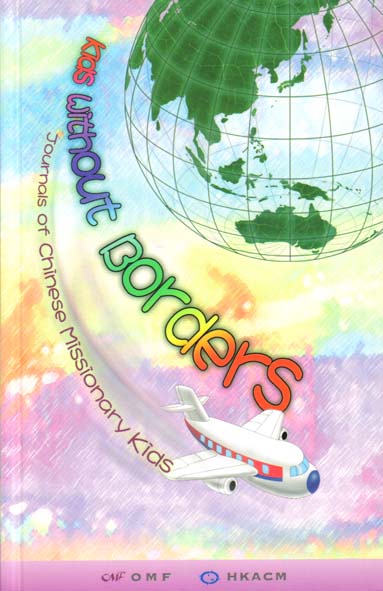
This collection of writings from Asian MKs who have lived all around the world gives insight into the experiences of MKs of all ages. The book is split into three sections: Children, Adolescents and Adults with journal entries from different MKs on a variety of subjects from school to goodbyes to rootedness. Most of the writers have a connection to Hong Kong (where the editor is based) and have at least one Chinese parent but their experiences are varied. Many issues unique to Asian MKs are addressed, like differences in education systems, maintaining Chinese roots, and cultural differences within the family.
This book would be great for Asian TCKs processing their own experiences, Asian missionary parents and those working with Asian MKs. Understanding a TCK perspective other than the Western one is beneficial to all TCK workers, as well.
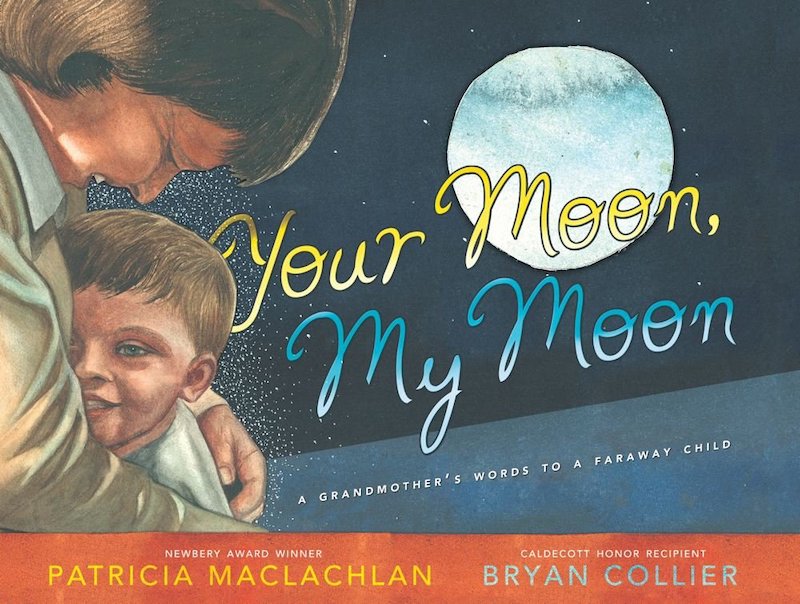
This sweet story is told from a grandmother’s perspective as she reflects on how her daily life in the United States compares to her grandson’s in Africa. While she skates on a frozen lake, her grandson is playing in the sand by a tropical pool. She sleeps under a quilt and he sleeps under a gauzy mosquito net. They both love dogs and her dogs miss him. But she knows that each night they both look at the same moon.
This would be a sweet book for children overseas who miss their grandparents and extended family. Reading it could be a great conversation starter for talking about memories of times spend with their own grandparents and thinking of ways their own lives are different or similar from their far away relatives.
Reading level: age 4 to 8 years
Channe Willis, daughter of a successful American novelist, enjoys her carefree childhood in France until her parents adopt a French boy exactly her age. Her resentment of him and cruel treatment of him makes their relationship turbulent. When her father’s illness causes the family return to the United States during her mid-teens, she and her brother struggle to find their places. It is not until adulthood that they learn to love and respect each other and Channe begins to confront the ghosts of that long-ago sibling rivalry.
Channe’s parents have a very liberal parenting style, and some of their responses to her behavior may offend some people (as may some of Channe’s behavior). However, many of Channe’s experiences as a child, and even as an adolescent searching for love in a new, unfamiliar country, will resonate with TCKs.
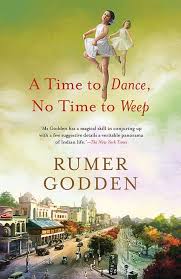
This is the first volume of Rumer Godden’s autobiography. She was born in England but moved to India when she was a baby, where she lived half her life. This book covers the years 1907-1946 and tells the story of Godden’s enchanting childhood in India as a TCK, her marriage to a charming but unreliable stockbroker, her life after his abandonment having to raise two children poor and alone, and finally the publication and success of her early novels. A Time to Laugh, No Time to Weep shows Rumer Godden’s understanding of loss, suffering and withstanding long endurance.