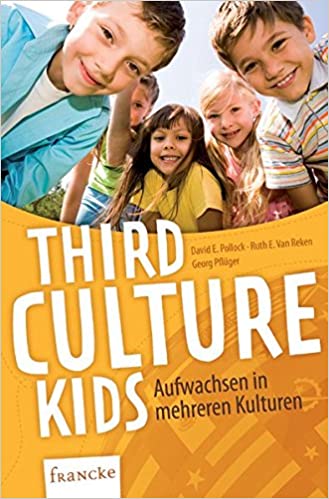
Ob in der Auslands-Niederlassung einer Firma, einer Missionsstation oder einer diplomatischen Vertretung – jährlich steigt die Zahl der Kinder, die in unterschiedlichen Kulturkreisen aufwachsen. Authentisch und sorgfältig recherchiert beschreibt dieses Buch, was das Leben dieser sogenannten ‘Third Culture Kids’ ausmacht, welchen besonderen Problemen sie begegnen und welche speziellen Chancen sich ihnen eröffnen. Denn unmittelbarer als ihre Altersgenossen lernen diese Kinder sowohl die Freuden des Entdeckens als auch die Erfahrungen schmerzhaften Verlustes kennen. Es gelten andere Gesetze für ihren Reifungsprozess, sie gehen andere Wege auf der Suche nach ihrer Identität und sie sind herausgefordert, jenseits aller Ortswechsel eine Heimat zu finden. In Interviews, Gedichten und Berichten lassen Pollock und Van Reken die TCKs zu Wort kommen. Aus ihren Zeugnissen arbeiten sie die charakterlichen und emotionalen Grundstrukturen heraus, die Kinder mit diesem Hintergrund in der Mehrzahl entwickeln.
This is the German edition of THIRD CULTURE KIDS by David Pollock & Ruth Van Reken

This TCK parenting book takes a proactive approach to raising children, looking at how early childhood experiences and the emotional health of the parents contribute to raising healthy kids. Lauren Wells emphasizes the very real effects that childhood experiences, especially trauma, exert in adult health.
This book is also very practical. It will teach parents how to address trauma in the moment so that the grief doesn’t pile up and have lasting effects. Different talking points, activities and conversation starters are given for children of different ages so that you have the tools you need to address issues or proactively build resilience throughout your child’s whole growing up.
If I had a complaint about this book it would be that she can focus on one segment of TCK tendencies and ignore the others. For example, she focuses heavily on the “chameleon” nature of TCKs to blend in, and less on “screamers” who refuse to conform or “wallflowers” who try to disappear during transitions. As a screamer myself, I felt rather underrepresented. She also focuses on MKs who get the itch to move every few years but I know many MKs who didn’t experience this at all. For some, they attach themselves to the first place they can settle into and never want to leave again. These TCKs may need a different kind of help.
Overall, this is an excellent book for parents, especially those parents of young TCKs who wish to build a solid foundation for their kids’ emotional health. It’s rather comprehensive without dragging itself out. Highly recommend.
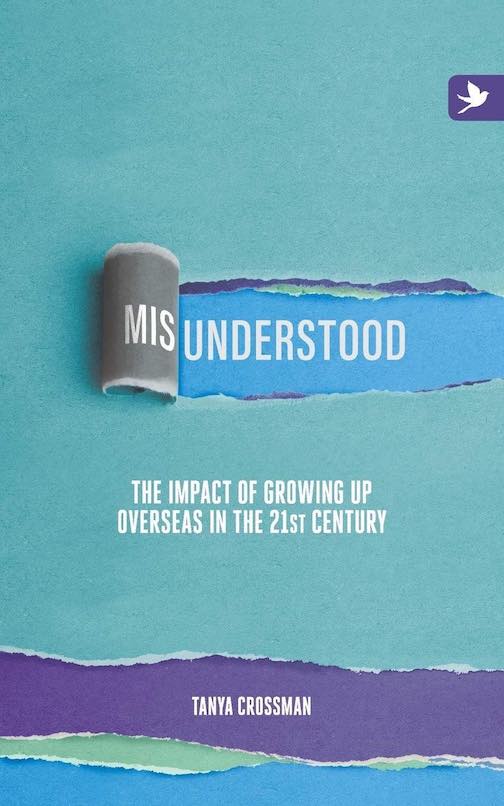
Misunderstood is a decent introductory book for those looking to better understand TCKs, written for TCKs themselves, parents, and those who care for TCKs (like counselors or those who work for the parents’ organizations). It goes into detail about the different types of TCKs (like military brats, missionary kids, etc.) and the pros and cons of different schooling options while outside your passport country.
The book is based on interviews that the author has conducted on a large sample of TCKs and included many quotes and stories to accompany each section. While this lends credibility to her book, it can also be misleading.
Being a TCK caregiver, I know many TCKs who would disagree with the generalizations that she makes. It seems she interviewed TCKs who identify strongly with their overseas experiences and have struggled in adapting to their passport cultures. She said every TCK she interviewed claimed reentry was “a particularly difficult experience” (pg. 211). I know several TCKs who would disagree and say the experience was not very difficult for them. Many TCKs adapt well to their passport culture and do not strongly identify with being a TCK, though these are probably the TCKs least likely to volunteer to be interviewed about TCK experiences.
So while the book as a whole is a good summary of TCK experiences in general, one has to keep in mind that her interview sample was likely skewed and many TCKs would say her generalizations about TCK beliefs and experiences do not fit them.
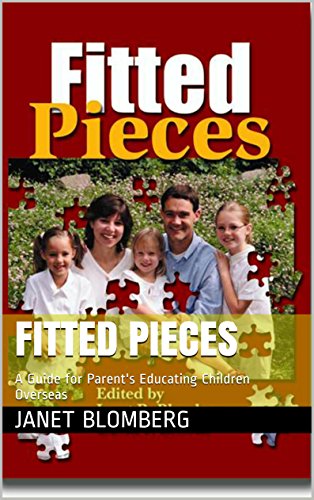
With over 90 essays in this collection for parents educating children overseas, it is indeed a comprehensive guide to TCK educational issues. Covering a large range of topics from choosing a national school to second-language learning to online learning, this volume will answer most questions parents have about educating their child overseas. With the essay format, it’s easy to pick which topics are most relevant to read (because at 667 pages, I doubt most people will finish the whole thing). One downside to this volume is that it is on the older side, being published in 2001, and the overseas educational world has changed in the time since its publication. Here are the essay sections covered:
- Basic Pieces
- Child Development Pieces
- Cross-cultural pieces
- Educational Development Pieces
- Cross-cultural Education Pieces
- Home Education Pieces
- National School Pieces
- Looking for some other pieces
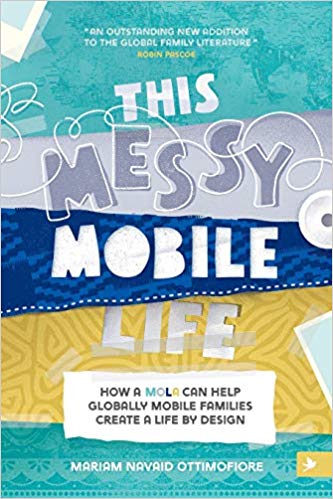
This unique book focuses on mobile families with extra layers of complexity – those who are multicultural, multilingual, multi-ethnic and/or multi-faith.
The author uses the metaphor of a South American shirt called a “mola,” made from layered fabrics that are carefully cut and stitched to reveal the colors of the inner layers. MOLA families, she explains, also have many layers. The “MOLA toolkit” helps families sort out the complexities and create a life “by design.” The author weaves together her own family’s story, examples of other MOLA families, insights and information, advice (both her own and that of other intercultural experts), and thought-provoking questions.
At the end of each chapter guided activities help families apply the insights and tools and Conversation Starters prompt meaningful family discussions.
This is a truly ground-breaking book that covers issues other books do not. Though some parts would be relevant for any Third Culture (or Cross-Cultural) family, it is really written for families that bring together -through marriage, birth or adoption- parents and kids who have a variety of nationalities, ethnicities or faiths, and/or speak a variety of languages.