What Makes Aussie Kids Tick a thorough and insightful overview of what to expect leaving Australia as a missionary family with kids. this book walks you step-by-step through the process preparing to leave, landing, and re-stabilizing as a family. It identifies the potential difficulties in the areas of emotions, logistics and family dynamics, and provides practical advice on navigating them. Of special interest is the discussion of Australian culture and how Australian MKs tend to interact with their “home” culture.
This book’s focus on the universal principles for navigating cross-cultural transitions as a family have allowed it to age well, despite the rapid changes in missions in the decades since its publishing. It is a good introduction to navigating the missionary life, especially from an Australian background, and would be most useful for families entering more traditional missions located in non-Western countries, and those in administration supporting them.
The contents include:
- It’s Time to Get Ready
- It’s Time to Go
- It’s Time to Work
- It’s Time to be a Family
- It’s Time to Choose (Exploring schooling options)
- It’s time to Part
- It’s Time to go to School
- It’s Time for Holidays
- It’s Time for Visitors
- It’s Time for Identification
- It’s Time to Leave
- It’s Time to Return
- It’s Time to Help (How the sending church can help their missionaries)
- It’s Time to Evaluate
Out of stock in online stores as of July 2022.
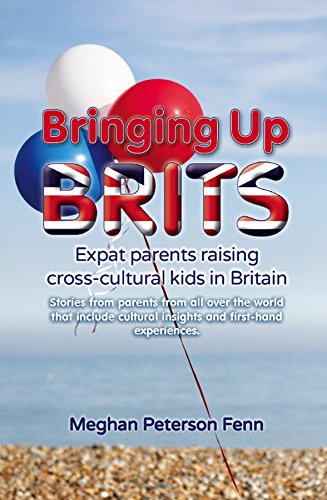
Bringing Up Brits is the passion-project of Meghan Fenn, an Asian-American mother raising her children in her husband’s home country of England. Writing to fellow expat parents, she reflects on her own experiences and those of others like her who experienced loneliness, confusion, and step-by-step cultural learning specific to Great Britain.
This resource would best benefit one interested in how life in England can be perceived by foreigner parents, and the ways in which they may struggle to adapt to British culture. Unfortunately, this book feels out of date when discussing issues such as isolation from previous communities and difficulty finding people to connect with locally, given the explosion of social media and smart devices since the time of publishing.
Included is a directory of various online resources from the early 2010’s for the expat parent in Britain.
The chapters include
- Finding Identity
- Isolation
- Nurturing Tradition
- Living amongst the British
- Cross Cultural Kids, Third Culture Parents
- Language Barriers
- Celebrating Britain
- The Future (Retirement and higher education for children)
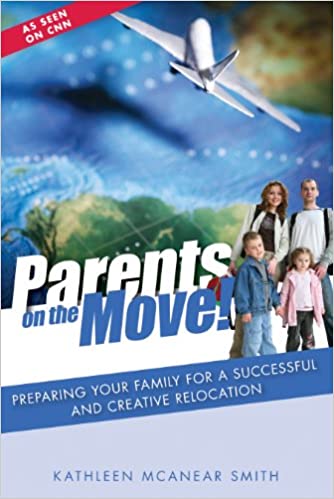
Parents on the Move is a concise and practical source of advice for parents TCKs. It focuses on strategies for successful family relocation and family health, through a unique lens of the Christian faith. In it you will find real-life experiences combined with a systematic break-down of the unique challenges of moving internationally with young ones.
This book would be best for younger families encountering an international move for the first time. It could also benefit HR staff in organizations that regularly deploy internationally to set up their employees for success at their new assignments. It is not a dense read, and can be easily skimmed for the information most pertinent to one’s own situation.
The appendices provide workbook sheets to help you brainstorm in preparation for your family’s move, along the lines the book has presented. They are perhaps most useful for making sure you articulate your expectations and think through all your options before your move.
Chapters:
- Strategic Priorities
- Seven Levels of Moving
- Checking Out the Giants (Schools, Neighborhood and Home, Social Network)
- The ACE Card (What to look for in when assessing potential schools)
- The Home Schooling Option
- Your Support Team – Do you have one?
- Grandmothers as Communication Central
- Expecting and Delivering a Baby Abroad
- Heading Home – Heading Out Again
Appendices:
- Family Relocation Listening Exercises
- Relocation Level Questionnaire
- Sample School Visit Schedule
- School Visit Strengths and Weaknesses Chart
- ACE Checklist
- Support team Contact Information
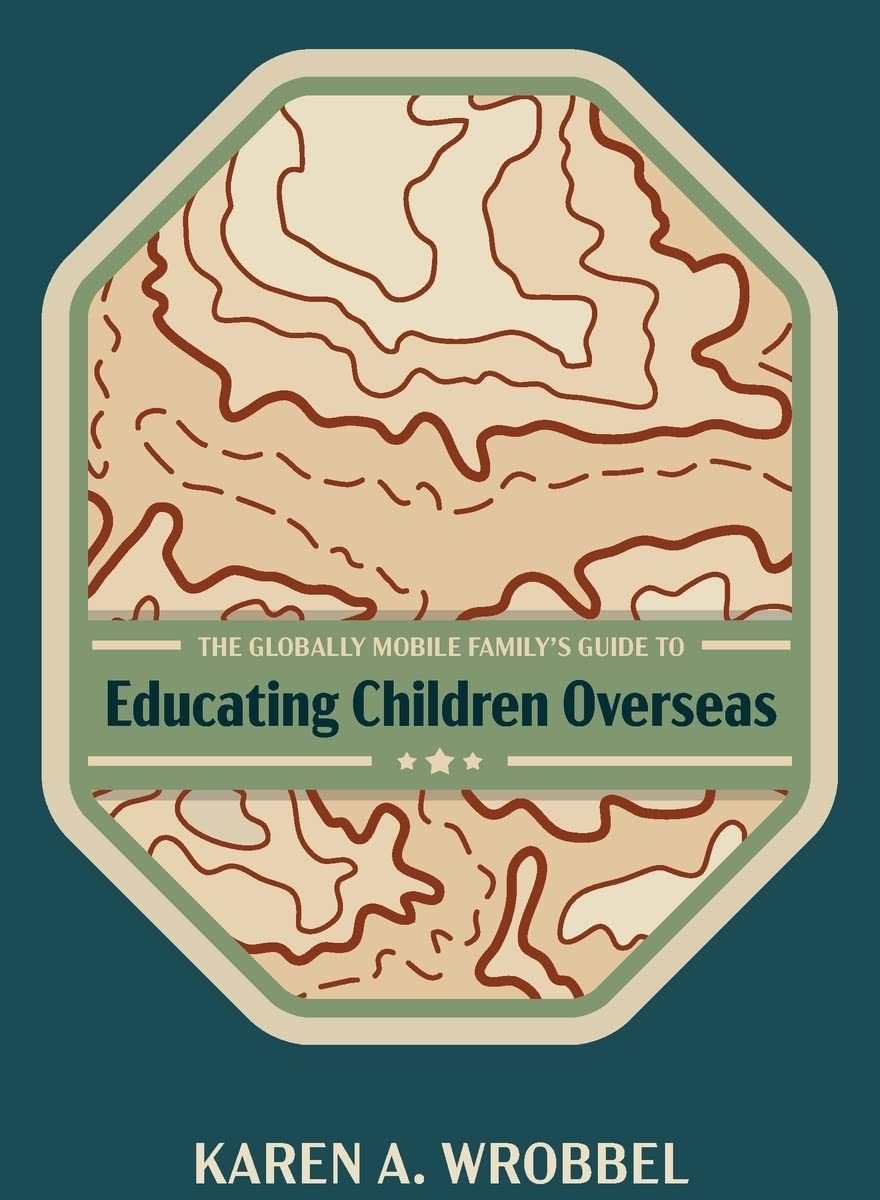
This up-to-date look at all the education options available to globally mobile families is a fairly quick read but surprisingly comprehensive. For parents wanting to know all the options and their pros and cons, I would highly recommend Wrobbel’s book. She takes an honest look at each option and gives her experienced opinion in an unbiased manner. The appendices at the end also offer helpful education resources.
The chapters include:
- So You’re Moving Overseas
- Intentional Planning for Children’s Education Overseas
- International Schools
- Host-Country Schools
- Homeschooling
- Distance Education
- Boarding School
- One-Room School or Homeschool Cooperative
- Special Education Needs
- Transitioning Between Educational Options
- Educational Planning for the Transition to University and Adulthood
- Living and Thriving in the Host Culture
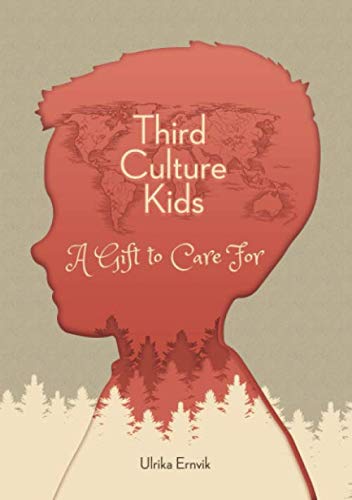
“TCKs: A Gift To Care For” is an excellent addition to comprehensive books about TCKs. I would say this differs from Pollock and Van Reken’s classic “Third Culture Kids” book in that there is a focus on developmental stages, child psychology and it includes many many practical activities for parents to do with their children. These activities help children to integrate experiences and thoughts into their bodies for a holistic approach to TCK care.
This book is on the larger side (405 pages) which may seem daunting, but it’s used best when you pick and choose the chapters that are relevant to you and your kids. You don’t need to read the whole thing at once but look for the information and activities that are best suited to your current needs. And then open the book again later when you want something else!
Included in the chapters sections are:
- A Gift to Care For
- Transitions and Emotions
- Identity and Beliefs
- Relationships and Globalization
- Stress and Structure
- Grief and Joy
- Developmental and Long-term Goals
- Protection and Boundaries
- Debriefing and Storytelling
- The Power of Getting Together
- What Can We Do?
Available in English and Swedish now with Portuguese, Chinese, Spanish coming soon.
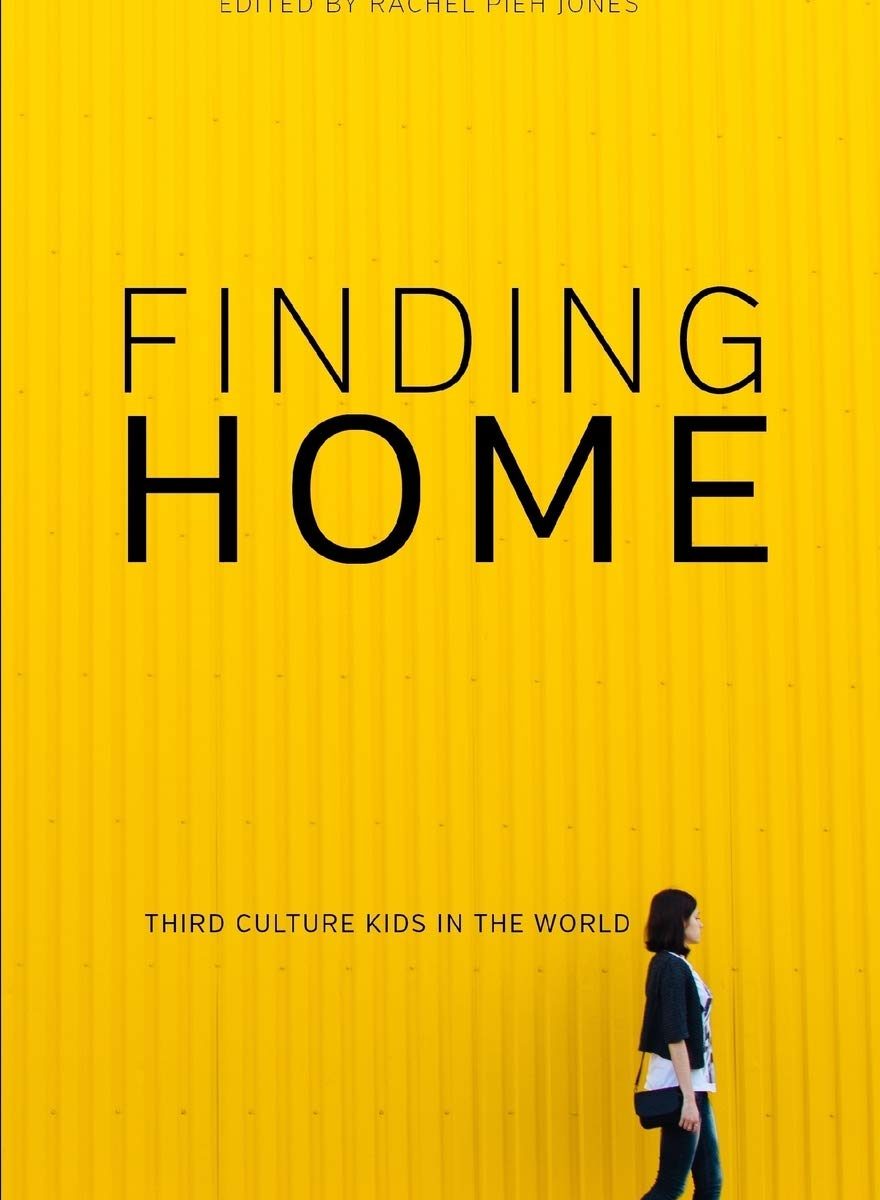
This compilation of essays and blog posts has a refreshing range of topics and authors from differing perspectives. There are some essays from experts like Ruth Van Reken but the majority seem to be from normal TCKs and parents of TCKs, sharing their experiences and insecurities. Rather than giving out facts and advice, the majority of essays are very personal and introduce questions and things to think about rather than answers.
The essays are grouped into these sections:
Discovering Third Culture Kids
Parenting Third Culture Kids
Struggling Third Culture Kids
Transitioning Third Culture Kids
Thriving as Third Culture Kids