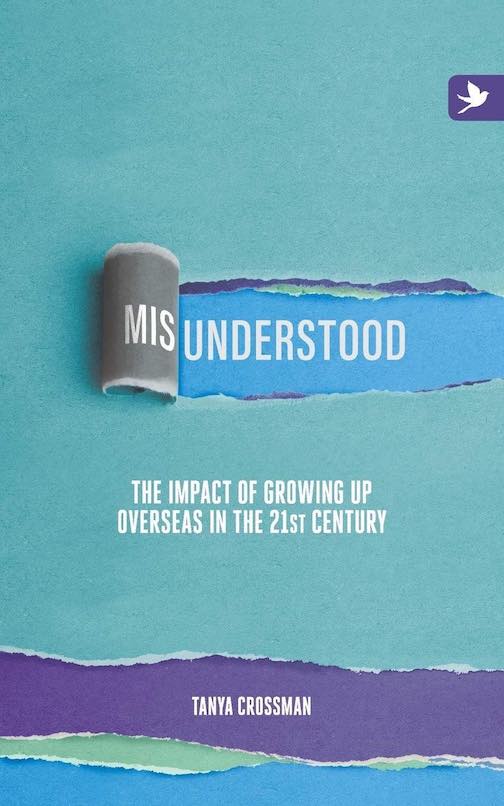
Misunderstood is a decent introductory book for those looking to better understand TCKs, written for TCKs themselves, parents, and those who care for TCKs (like counselors or those who work for the parents’ organizations). It goes into detail about the different types of TCKs (like military brats, missionary kids, etc.) and the pros and cons of different schooling options while outside your passport country.
The book is based on interviews that the author has conducted on a large sample of TCKs and included many quotes and stories to accompany each section. While this lends credibility to her book, it can also be misleading.
Being a TCK caregiver, I know many TCKs who would disagree with the generalizations that she makes. It seems she interviewed TCKs who identify strongly with their overseas experiences and have struggled in adapting to their passport cultures. She said every TCK she interviewed claimed reentry was “a particularly difficult experience” (pg. 211). I know several TCKs who would disagree and say the experience was not very difficult for them. Many TCKs adapt well to their passport culture and do not strongly identify with being a TCK, though these are probably the TCKs least likely to volunteer to be interviewed about TCK experiences.
So while the book as a whole is a good summary of TCK experiences in general, one has to keep in mind that her interview sample was likely skewed and many TCKs would say her generalizations about TCK beliefs and experiences do not fit them.
A memoir of a missionary kid processing her experience of growing up abroad, and especially of going to boarding school as a young child, “Letters Never Sent” takes the reader through a process of healing and seeking closeness with God. Written in the form of letters to her parents (the original title is more apt: “Letters I Never Wrote”), this is her story from early childhood through adulthood as the discovery that pain and purpose can co-exist begins to bring comfort & healing.
While unmasking some of the darker sides of missions and especially the family separations that often go along with it, Van Reken still honors the good in her experiences and how much she loves her and parents and loves God. She doesn’t look at her experiences in black and white but still gives helpful advice to those who are on a similar journey towards recovery and to parents of TCKs who don’t want to repeat her parents’ mistakes.
Naomi is a 12-year old Canadian girl who is forced to move to a small northern town in Japan and no one asked her if she wanted to go. She left behind her friends and her beloved grandparents and her dog Billy and she is not happy about it. Everything is strange in Japan and she’s seen as a strange outsider, not even able to read or communicate at first.
Gradually, Naomi begins to learn about Japanese festivals and foods and customs. She becomes friends with Midori, a Japanese girl her age who used to live in the US. And from there Naomi’s world begins to open up even more and she learns to love Japan and the people in her village. As she learns about her new home, the readers also get to learn about the language, writing and history of Japan. It’s a sweet, calming read and I was sad to put the book down.
This is the first book in a trilogy.
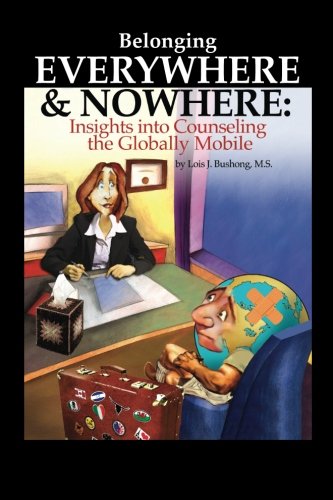
This is a fantastic book for professional counselors (from psychologists to pastoral counselors) to better understand their TCK clients and how to treat them effectively. It covers the basics of what a TCK is and then goes deep into treatment methods, common struggles TCKs face and even how to say goodbye well at the end of therapy. I really loved Bushong’s creative therapeutic techniques, like making an identity model with your client showing who you look like to others and how you feel on the inside by using a collage on int he inside and outside of a paper bag.
Another valuable aspect of this book is addressing how to diagnose TCKs, and recognizing that some thing that look pathological in TCKs may actually be a form of grief or a cultural difference. I highly recommend this book to anyone who counsels TCKs or works with them in TCK care.
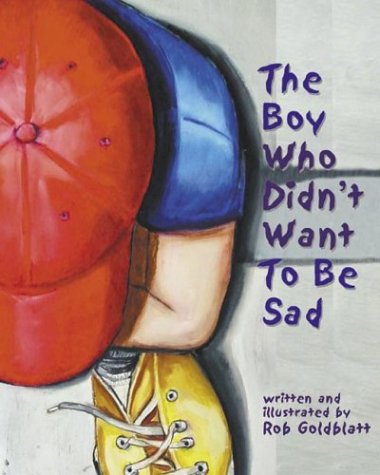
This is an all-ages book that should be in every TCK’s library, even though it is formatted like a children’s book. It tells the story of a little boy who decides to banish everything that makes him sad, only to find that without all those things he’s… sad! Realizing that the things that make him sad also make him happy, he reclaims everything & lives happily & sadly ever after. A funny story with a powerful message about the paradox of TCK life–that joy & sadness go hand-in-hand.
“The Boy Who Didn’t Want to be Sad” is a great book for kids (and teens and adults) who are tired of all the goodbyes and losses of a mobile life. Whether it’s moving or being left behind by friends who move away, it can seem easier to stop investing because it hurts. This book reminds us that what brings us sadness is also what brings us joy.
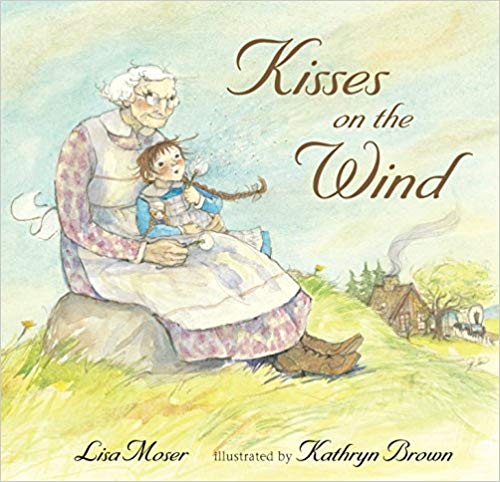
Set in the US in the days of the pioneers, this story, full of sorrow, tenderness and wisdom, is perfect for TCKs who face moving far from loved ones.
Lydia’s parents are packing the covered wagon that will take them to Oregon, a thousand miles away from all she’s ever known, and heartbroken Lydia just “can’t say goodbye to grandma.”
Lydia finds Grandma swinging on her swing and “picturing” – recalling memories of the good times they shared together. And thus begins a gentle, deliberate process of leave-taking guided by Lydia’s wise and comforting Grandma. Together they run and play, laughing and recalling their memories of this place and of each other. When sadness comes, Lydia puts her head on Grandma’s lap and cries until she runs out of tears. When it comes time to part, Grandma gives Lydia a gift that will soothe homesickness, and sends her on her way with “kisses on the wind” that they can exchange across any distance.
Disguised as a story, this book illustrates describes some extremely helpful ways to say goodbye well and ease the pain of “missing” when children separate from beloved family or friends. (But good luck reading it to your children without getting choked up).
Reading level: 3 to 7 years