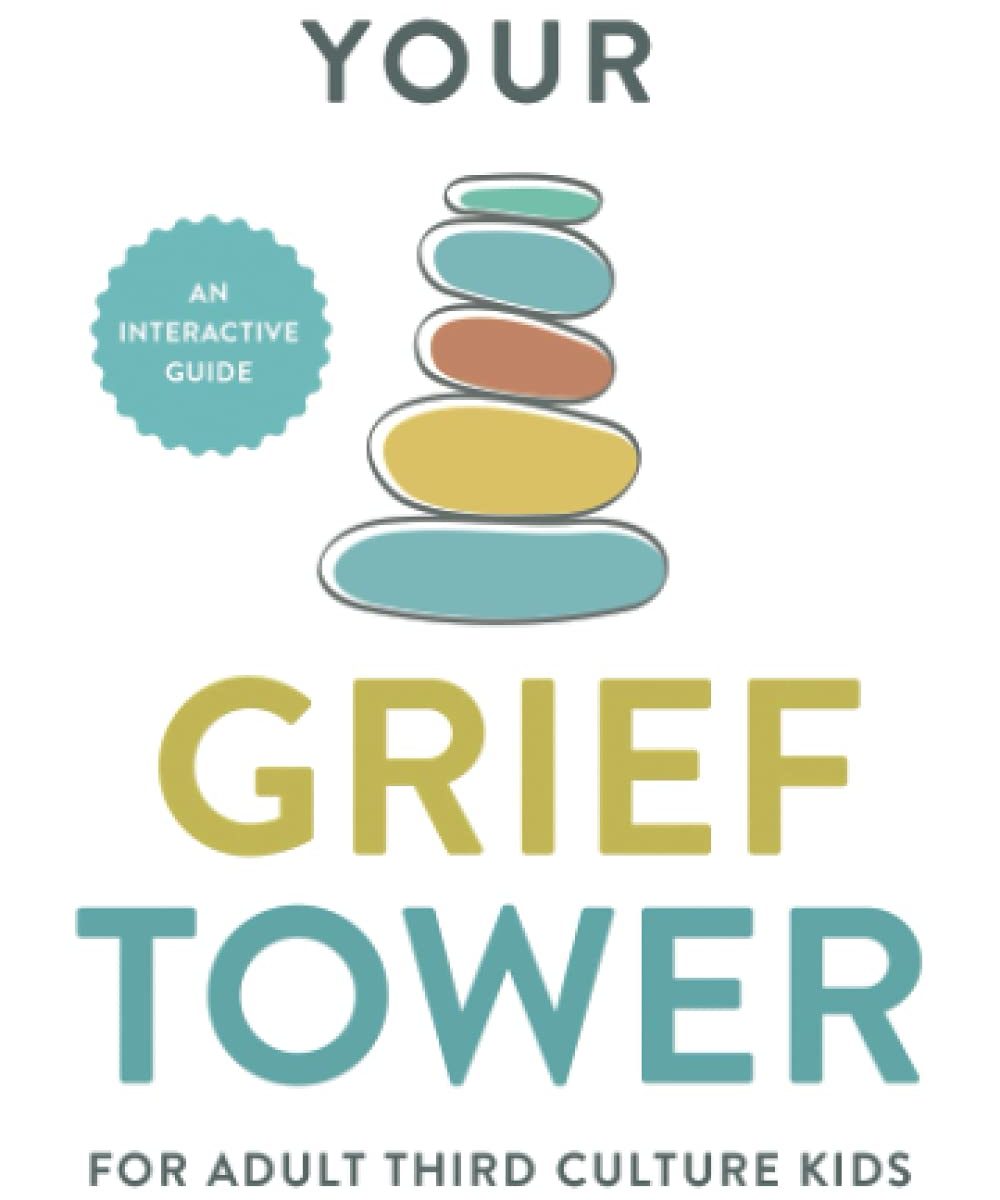
This workbook is a companion to Lauren Wells’s first book, The Grief Tower. In Unstacking Your Grief Tower, the principles of the grief tower metaphor are broken down into applicable sections for adult TCKs (aTCKs) and each chapter ends with reflection questions and space for the reader to write their answers.
TCK life is full of losses from moving and being in a mobile community where others are coming and going around you. Taking the time to process the accumulated grief is important and this short workbook is a great resource to help with that.
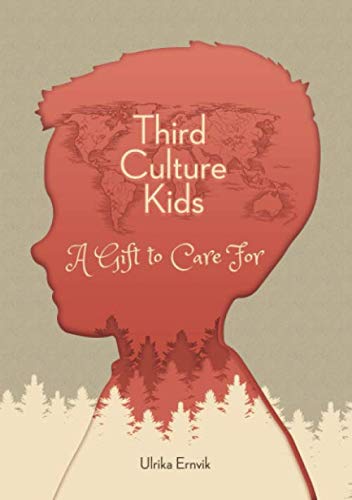
“TCKs: A Gift To Care For” is an excellent addition to comprehensive books about TCKs. I would say this differs from Pollock and Van Reken’s classic “Third Culture Kids” book in that there is a focus on developmental stages, child psychology and it includes many many practical activities for parents to do with their children. These activities help children to integrate experiences and thoughts into their bodies for a holistic approach to TCK care.
This book is on the larger side (405 pages) which may seem daunting, but it’s used best when you pick and choose the chapters that are relevant to you and your kids. You don’t need to read the whole thing at once but look for the information and activities that are best suited to your current needs. And then open the book again later when you want something else!
Included in the chapters sections are:
- A Gift to Care For
- Transitions and Emotions
- Identity and Beliefs
- Relationships and Globalization
- Stress and Structure
- Grief and Joy
- Developmental and Long-term Goals
- Protection and Boundaries
- Debriefing and Storytelling
- The Power of Getting Together
- What Can We Do?
Available in English and Swedish now with Portuguese, Chinese, Spanish coming soon.
This is a short but eminently practical book about helping Third Culture Kids process emotions related to grief and trauma. Lauren Wells, herself an adult TCK, applies research on the impact of Adverse Childhood Events (ACEs) to TCK experience, noting the various types of experiences that may leave TCKs with unresolved grief and pain.
She then uses the term Grief Tower to paint a picture of how painful experiences may stack up when TCKs don’t have the opportunity or support to process them. And what happens when the tower gets too high? It comes crashing down, making a tremendous mess! To prevent that, Lauren offers practical activities parents and TCKs can do to purposefully deconstruct those Grief Towers piece by piece.
This little book is quick and easy to read, and whether you are an expat parent, a professional working with TCKs, or even a TCK yourself, it is well worth your time.
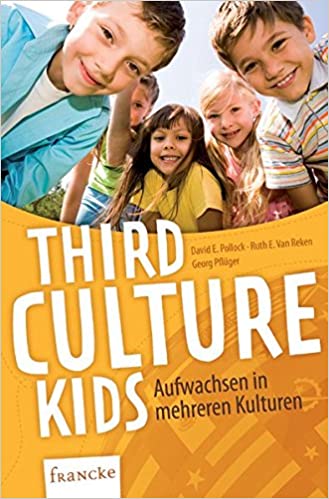
Ob in der Auslands-Niederlassung einer Firma, einer Missionsstation oder einer diplomatischen Vertretung – jährlich steigt die Zahl der Kinder, die in unterschiedlichen Kulturkreisen aufwachsen. Authentisch und sorgfältig recherchiert beschreibt dieses Buch, was das Leben dieser sogenannten ‘Third Culture Kids’ ausmacht, welchen besonderen Problemen sie begegnen und welche speziellen Chancen sich ihnen eröffnen. Denn unmittelbarer als ihre Altersgenossen lernen diese Kinder sowohl die Freuden des Entdeckens als auch die Erfahrungen schmerzhaften Verlustes kennen. Es gelten andere Gesetze für ihren Reifungsprozess, sie gehen andere Wege auf der Suche nach ihrer Identität und sie sind herausgefordert, jenseits aller Ortswechsel eine Heimat zu finden. In Interviews, Gedichten und Berichten lassen Pollock und Van Reken die TCKs zu Wort kommen. Aus ihren Zeugnissen arbeiten sie die charakterlichen und emotionalen Grundstrukturen heraus, die Kinder mit diesem Hintergrund in der Mehrzahl entwickeln.
This is the German edition of THIRD CULTURE KIDS by David Pollock & Ruth Van Reken
1951: Auf einem Flugplatz in Nigeria klettert die kleine Ruth in ein Flugzeug, das sie in ein Internat bringen wird – weit, weit weg von Papa und Mama, die als Missionare für Gott arbeiten. Und sie weint. Das ist der Auftakt eines verbissenen Kampfes, mit dem sie einen Schmerz niederzukämpfen versucht, der mit jedem Abschied von ihren Lieben tiefer geht und doch so gar nicht zu einem Gotteskind passen will. Jahre später: Ruth führt ein Bilderbuchleben als Missionarsfrau und Mutter. Dennoch leidet sie unter Depressionen, Wutanfällen und bohrender Kritiksucht, so sehr, dass ihr Glaube eines Tages Bankrott anmeldet. Doch dann: „Irgendwie beugte sich Gott zu mir herunter und sagte freundlich: Ruth, ich habe die ganze Zeit darauf gewartet, dass du endlich aufhörst zu kämpfen. Ich möchte dich in die Vergangenheit zurückführen, um dir zu zeigen, wo du Verletzungen erlebt hast. Ich hielt mich an Christus fest und erlebte im Rückblick all die Gefühle, die ich mir nie eingestanden hatte. Und so schrieb ich sie auf, diese Briefe, die ich niemals schrieb.“ Briefe einer Reise hinter den Schmerz, wo Ruth van Reken Heilung fand. Und eine Hoffnung, die allen Menschen gilt, egal unter welcher Art von Verlust oder Verletzung sie leiden.
This is the German edition of “Letters Never Sent” by Ruth Van Reken

This TCK parenting book takes a proactive approach to raising children, looking at how early childhood experiences and the emotional health of the parents contribute to raising healthy kids. Lauren Wells emphasizes the very real effects that childhood experiences, especially trauma, exert in adult health.
This book is also very practical. It will teach parents how to address trauma in the moment so that the grief doesn’t pile up and have lasting effects. Different talking points, activities and conversation starters are given for children of different ages so that you have the tools you need to address issues or proactively build resilience throughout your child’s whole growing up.
If I had a complaint about this book it would be that she can focus on one segment of TCK tendencies and ignore the others. For example, she focuses heavily on the “chameleon” nature of TCKs to blend in, and less on “screamers” who refuse to conform or “wallflowers” who try to disappear during transitions. As a screamer myself, I felt rather underrepresented. She also focuses on MKs who get the itch to move every few years but I know many MKs who didn’t experience this at all. For some, they attach themselves to the first place they can settle into and never want to leave again. These TCKs may need a different kind of help.
Overall, this is an excellent book for parents, especially those parents of young TCKs who wish to build a solid foundation for their kids’ emotional health. It’s rather comprehensive without dragging itself out. Highly recommend.