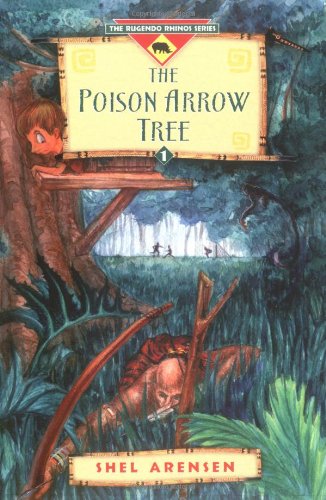
Dean, and his friends, Matt, Dave and Jon, live on the same mission station. Together the four boys, who call themselves the Rugendo Rhinos, spend their afternoons and weekends exploring in the bush. When they stumble across two Kenyan boys, one dead and one very sick, they find themselves involved in a dangerous dispute. The father of the dead boy, certain his son died from a witch doctor’s curse, seeks a similar revenge. The boys, their families, and the African believers face the reality of spiritual forces, yet seek to distinguish what events are naturally v.s. supernaturally caused. The boys’ normal (but fun) activities at school balance the intensity of the spiritual warfare in the story. Still, this book might be too intense for younger kids.
The “Rugendo Rhino Tales” feature fourth-sixth grade boys, and are written for late elementary/ middle school boys. The original books are out of print (though still available on Amazon), but they were re-issued as Kindle books (with a few new additions to the series). In the Kindle series, Matt (a western MK in the original books) is replaced by Mato, a Kenyan boy, who also plays a more central role.
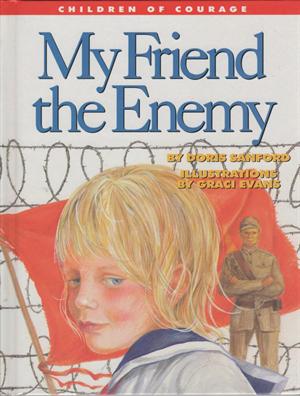
Kathy is in her first year at boarding school in northern China when Japanese soldiers arrive to take the children and teachers to a prisoner of war camp, where they were to remain for several years. Kathy and her older brother face hardships, disease and discouragement, but their teachers remind them that “The soldiers cannot take God out of this camp” and encourage them to find joy in small things. During her imprisonment, Kathy befriends a Japanese guard, and they celebrate together when the war ends. Although it is not expressly stated, the girl in the story is almost certainly an MK. Her experience as a prisoner of war, of course, is not especially typical, and her friendship with the guard is not given much attention. The focus of the book is on Kathy’s courage in the midst of frightening circumstances. Questions at the end of the book can initiate discussions with elementary aged children about dealing with fear, how to live peaceably with others, and why countries have wars.
Reading level: age 8-11 years
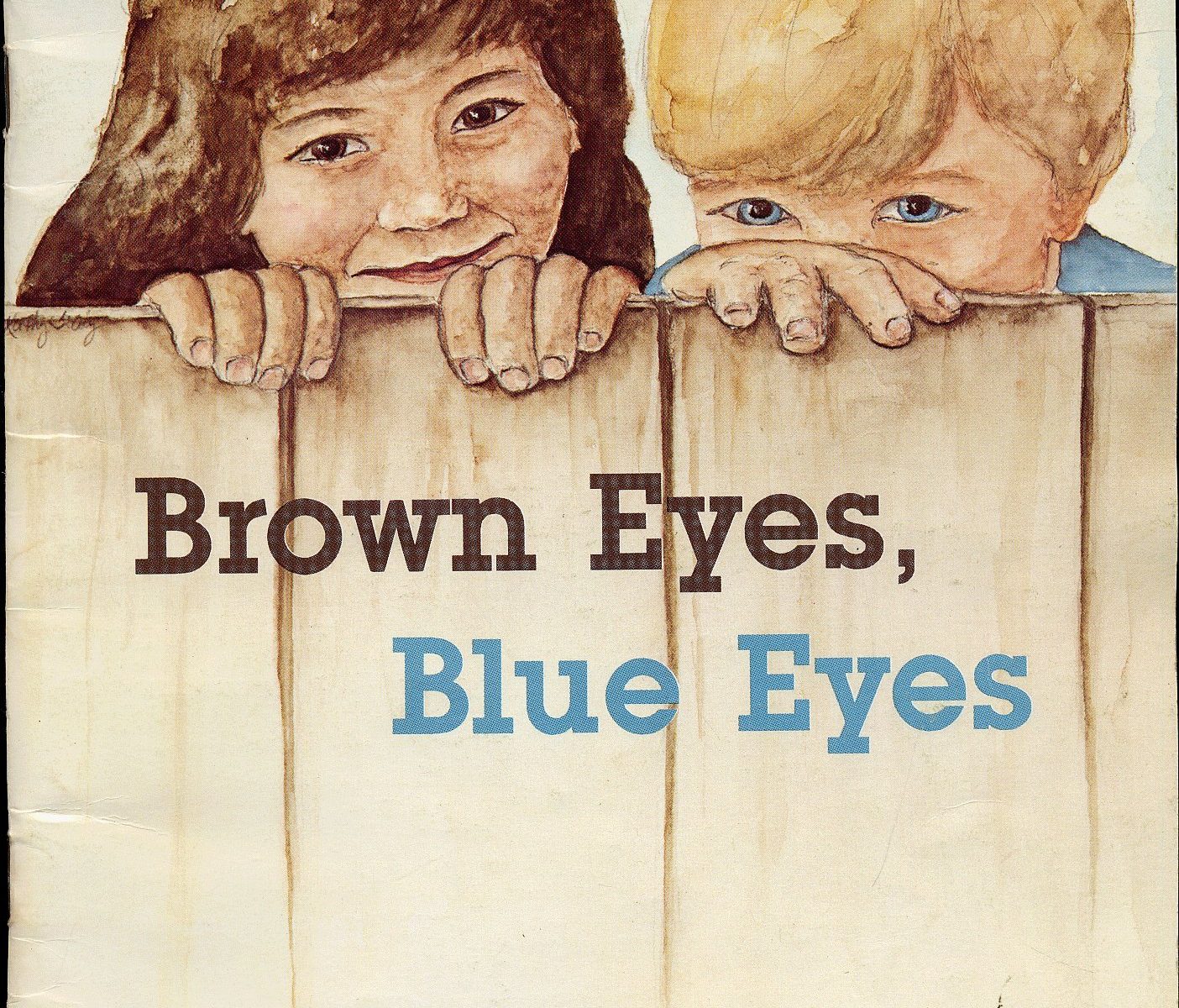
The simple rhymes in this book talk about the things that are the same and different about children. Differences include eye and skin color, names, ways of eating (chopsticks v.s. spoons), language, homes (some from other cultures are shown), and clothes. Children with physical disabilities are also represented. The major point of the book: “We are alike – yet different, too. God made us both, He loves me and you.”
Reading level: age 3-7 years
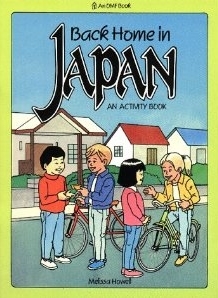
Missionary kids John and Lisa are glad to get back to Japan after furlough in America. Although they are sad to leave their relatives, they enjoy moving into their new house, making friends with the neighbor kids, and eating familiar Japanese food. Later, their family travels from their home in Sapporo in the north all the way to the southern city of Nagasaki, visiting various cities along the way. This is basically a coloring book with a storyline about the life of two MKs. Activities are interspersed throughout the book (e.g. mazes, crosswords, word searches, Japanese character writing, dot-to-dot). There is also an accompanying Parent/Teacher Guide that gives more information on Japan and gives lesson plans for five lessons, suitable for a children’s missions conference or a similar event.
Reading level: age 6-9 years
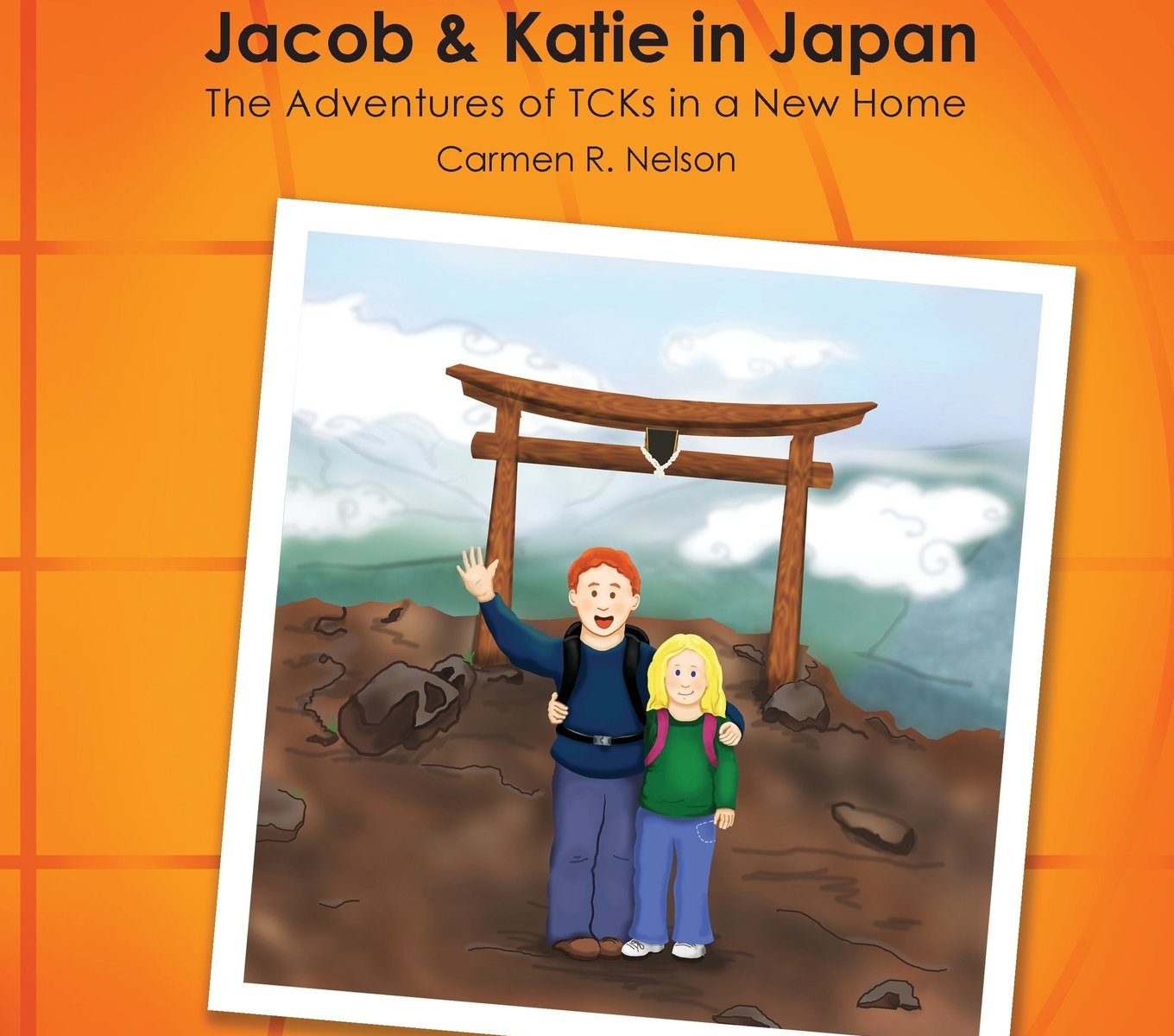
This cheerful tale of a brother and sister talks about Katie and Jacob’s move to Japan and adventures in learning the location and culture. The sibling must adjust to Japan as their dad is gone on military duty but dive right into learning Japanese customs even though they miss their father.
This would be a great book for TCKs moving to Japan as it takes time to point out important customs (like the importance of being on time) and shows a very positive view of moving and Japan in general.
Reading level: age 8-11 years
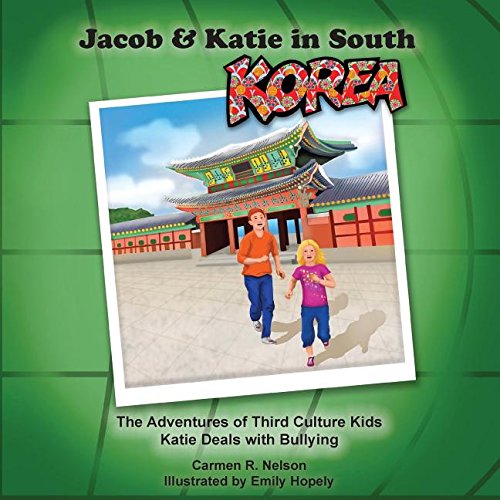
In this TCK story, a brother and sister move with their parents to a US military base in South Korea. The beginning of the book describes Katie and Jacob’s adventures exploring the city and Korean culture and settling into a new routine in life. Then Katie starts to experience bullying at school and gets help from her family and teacher to make the situation right.
This would be a great book for any young TCKs who are experiencing bullying (or who parents/ guardians suspect of experiencing bullying). Though the book is long for a picture book, it would be appropriate for older kids to read alone.
Reading level: age 8-11 years