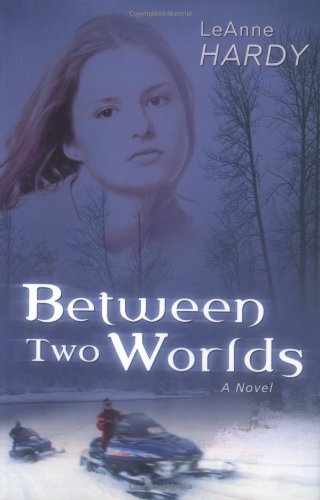
Cristina, an MK growing up in Brazil, has spent months dreaming about her quinze anos party, the 15th birthday celebration when a girl becomes a young lady. Now the family is on furlough in Minnesota, and Cristina is certain her quinze anos will be a disappointment. To make things worse, she finds it difficult to fit in at school despite the welcome of Lisa, her best friend from the previous furlough. Although Lisa generally includes her in activities, Cristina feels like an outsider, unable to find anyone who understands or cares about the things that are important to her. Uncertain of the latest styles or slang, she often feels foolish at school. Nevertheless, she is drawn to Jason, whose part-Korean ancestry makes him stand out too though in appearance rather than behavior. Together they face the attacks of the “in” crowd and discover that there are positive things about being “between two worlds.”
Despite its somewhat cheesy title, this is a really enjoyable and relatable read. It even shows how different TCKs from the same family can react to moving and goodbyes differently. The story is a little older so social media and cell phones aren’t part of the teenage world in “Between Two Worlds” but the dynamics of US American public school are still relevant.
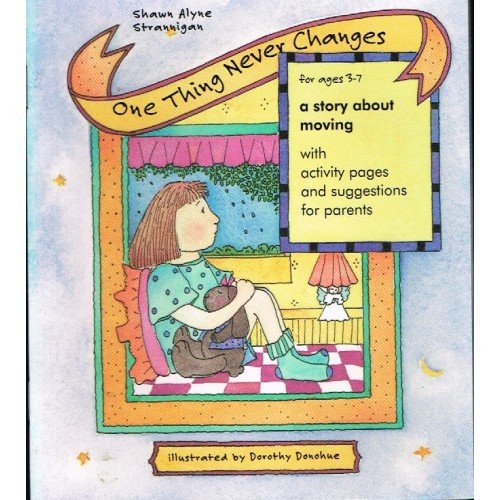
One Thing Never Changes begins with a list of suggestions for parents moving with children. Most of these apply to moves overseas, though some will need to be modified.
The story follows Jenna who is moving because her daddy got a job in a different city. Relieved at first because she can bring her toys and bed, she then realizes that she can’t bring her best friend and her feelings change. Jenna’s parents assure her that she can write to her friend and call her sometimes. Her Sunday School teacher reminds Jenna that, although moving will mean many changes, one thing never changes: Jesus will always love her, always be with her, and always hear her prayers. This is an “I Can Understand Book” – a series of small booklet-style books written to help children face difficult situations (e.g. the death of a loved one, a parent’s illness, etc.).
TCKs –MKs in particular– can have mixed experiences in US American churches, both in visiting when their families are fundraising in churches, and when they try to find a church home when they’re older. In these interviews TCKs are asked:
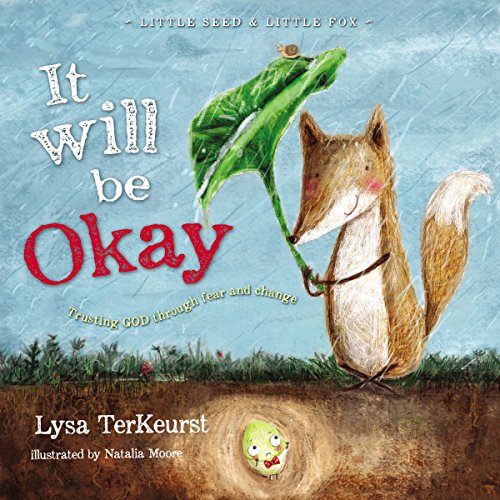
This whimsical picture book follows the unlikely friendship between a little seed and a little fox. Both have fears and anxiety and seek comfort in each other, as the farmer looks over them and cares for them. When the farmer pulls the little seed off his cozy shelf and there are big, scary, dark and damp changes in his living situation, the seed and the fox have to trust that the farmer has a good plan for them.
Though not specifically written for TCKs or for moving, It Will be Okay can help kids learn to trusting God through changes like moving and overcoming fear and anxiety, knowing that God is always watching over them. It also emphasizes the importance of friendship.
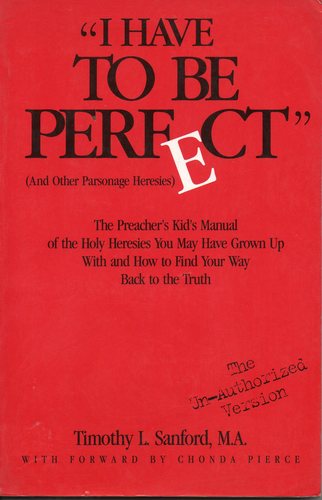
Ministry hazards can take their toll on children of missionaries and pastors. Sanford, both an MK (missionary kid) and PK (preacher’s kid) speaks with candor and honesty about the faulty conclusions kids raised by parents in full-time ministry may have internalized about themselves, God, or their world. This book has been embraced by many adult MKs, who find themselves described in its pages. Sanford doesn’t address cultural issues in this book, so it isn’t applicable to all TCKs, only those whose parents were involved in ministry.
You may need a box or two of tissues while you work through this book, and maybe a journal to record the lies that you believed growing up that still affect your life. I was amazed by the insightfulness of this book and felt like Sanford had looked into my head to understand me so well!