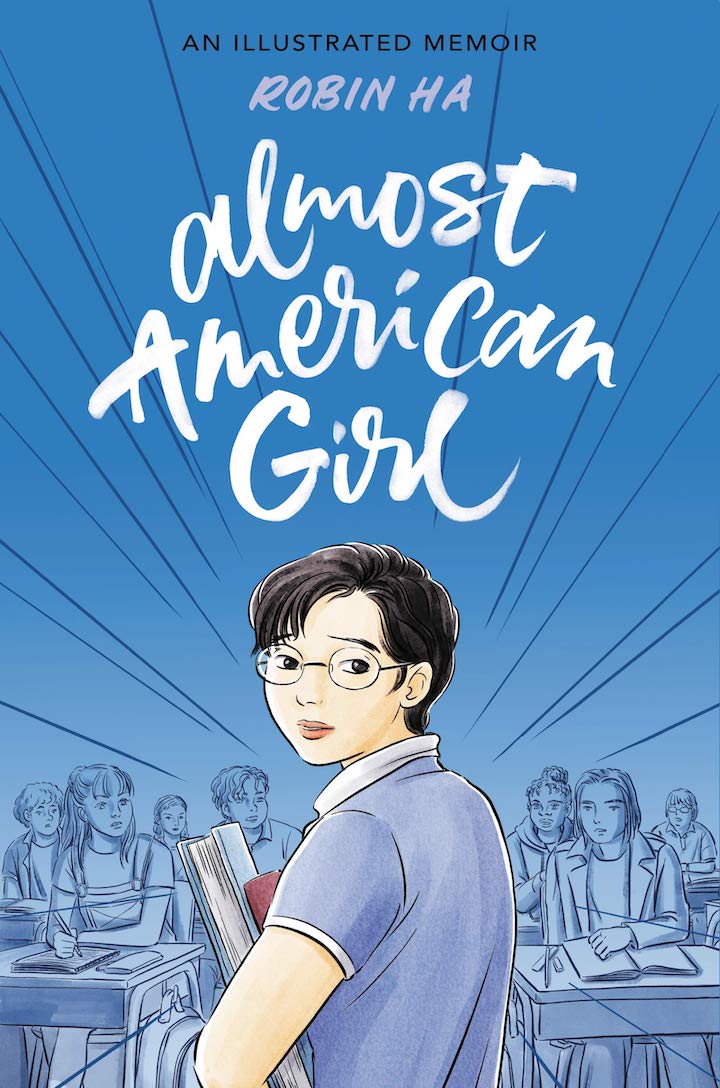
Though more of an immigrant story than a TCK one, Almost American Girl has many strong TCK themes throughout the graphic novel. This true story is told as a memoir in pictures by Korean American author Robin Ha. Robin is suddenly moved to Alabama, USA from Seoul, Korea without even being able to say goodbye to her friends or bring her most precious belongings. She just thought they were going on vacation! Now she has a new step-family who don’t seem to like her and she can’t understand anyone at her new school.
Despite the culture shock, her loneliness and her anger at her mother for suddenly uprooting her, Robin eventually makes friends and finds solace in comics and manga. She gets better at English and is surprised to find so many signatures in her yearbook at the end of the year. But when her mother’s new marriage fails, they move yet again.
In Virginia, Robin finds more international kids like herself and even Korean friends, and finally feels like she belongs. At the end of the book she visits Korea for the first time since she left and realizes that the country she has been longing for doesn’t even feel like home any more. She has changed and so have her old friends in Seoul. “I didn’t exactly fit in Korea or America,” she thinks to herself. And that was okay.
Naomi is a 12-year old Canadian girl who is forced to move to a small northern town in Japan and no one asked her if she wanted to go. She left behind her friends and her beloved grandparents and her dog Billy and she is not happy about it. Everything is strange in Japan and she’s seen as a strange outsider, not even able to read or communicate at first.
Gradually, Naomi begins to learn about Japanese festivals and foods and customs. She becomes friends with Midori, a Japanese girl her age who used to live in the US. And from there Naomi’s world begins to open up even more and she learns to love Japan and the people in her village. As she learns about her new home, the readers also get to learn about the language, writing and history of Japan. It’s a sweet, calming read and I was sad to put the book down.
This is the first book in a trilogy.
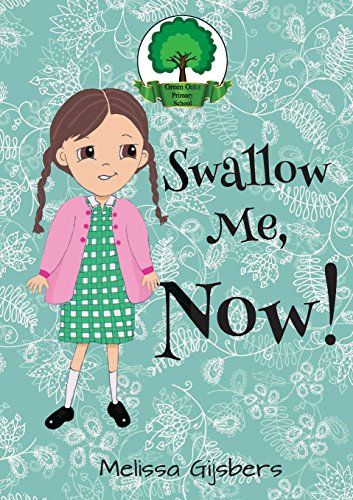
Ten-year old Samantha is about to start her fifth school. After living in Nepal for several years, she and her family have returned “home” to Australia, but Sam has had a hard time fitting in.
Assigned to sit at a table with the “mean girls”, Sam feels excluded. When she is teased for ineptly explaining her parents’ jobs, she defends herself with a wild story about her mom, but that only makes things worse. As she gets in deeper trying to defend the lie the mocking gets meaner and Sam becomes more and more miserable until things finally reach a breaking point.
Though the story is about a young TCK the major theme of the book is how to recognize and handle subtle and overt bullying.
Ages 8-12
Available on Kindle here
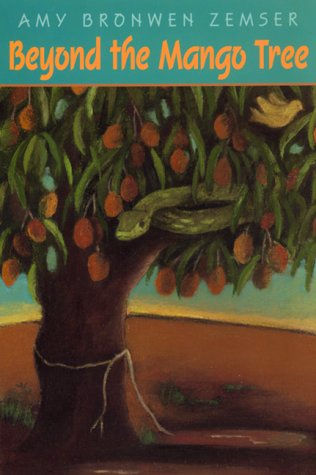
If you are looking for a light, uplifting book, this is not the one to choose. While beautifully-written, it is a sad, even tragic, story about Sarina, a 12-year old American girl living in Liberia. Sarina’s father, busy with his business responsibilities in other parts of the country, leaves her alone to care for her mother, a woman whose severe diabetes leaves her both physically frail and emotionally unstable. Fearful of losing her daughter, Sarina’s mother ties Sarina to the mango tree in their yard. When the lonely Sarina meets Boima, a young Liberian boy, she keeps their friendship a secret for fear her mother will prevent her from seeing him. Through their friendship she learns about the Liberian life beyond her own yard – both its joys and its tragic sorrows. Although the book is labeled as being for age 10 and up, its content seems more appropriate for slightly older readers.
Reading level: age 11-14 years
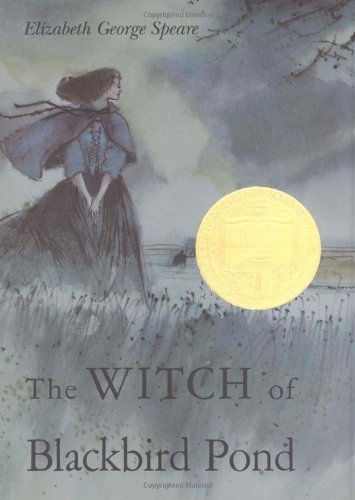
This story, often used in classrooms in the U.S., is actually about a TCK from the 1700s. Kit leads an idyllic life on her grandfather’s plantation in Barbados. His death, however, forces her to set out for the colonies to find her mother’s sister, always described as beautiful and carefree. She arrives unannounced in the bleak New England settlement, and struggles to fit into the household run by her stern, Puritan uncle and meek, though gentle, aunt. Accustomed to having slaves to care for her, Kit has difficulty learning the tasks required to keep a home running, and she often feels lonely and misunderstood.
By chance she discovers an old woman, shunned by the community for her Quaker faith, and in this new friend Kit finds a soulmate. Although the book is written in third person, its tone evolves as Kit adjusts to her new life. Extremely harsh in its presentation of Puritan life in the early parts of the book, it softens later on as Kit is able to understand and even enjoy aspects of her life in the colonies. Though ultimately she finds herself drawn to a broader life than she finds in the tiny settlement, she is able to appreciate its good points as well, giving her the ability be comfortable in either world.
Reading level: age 11-14 years
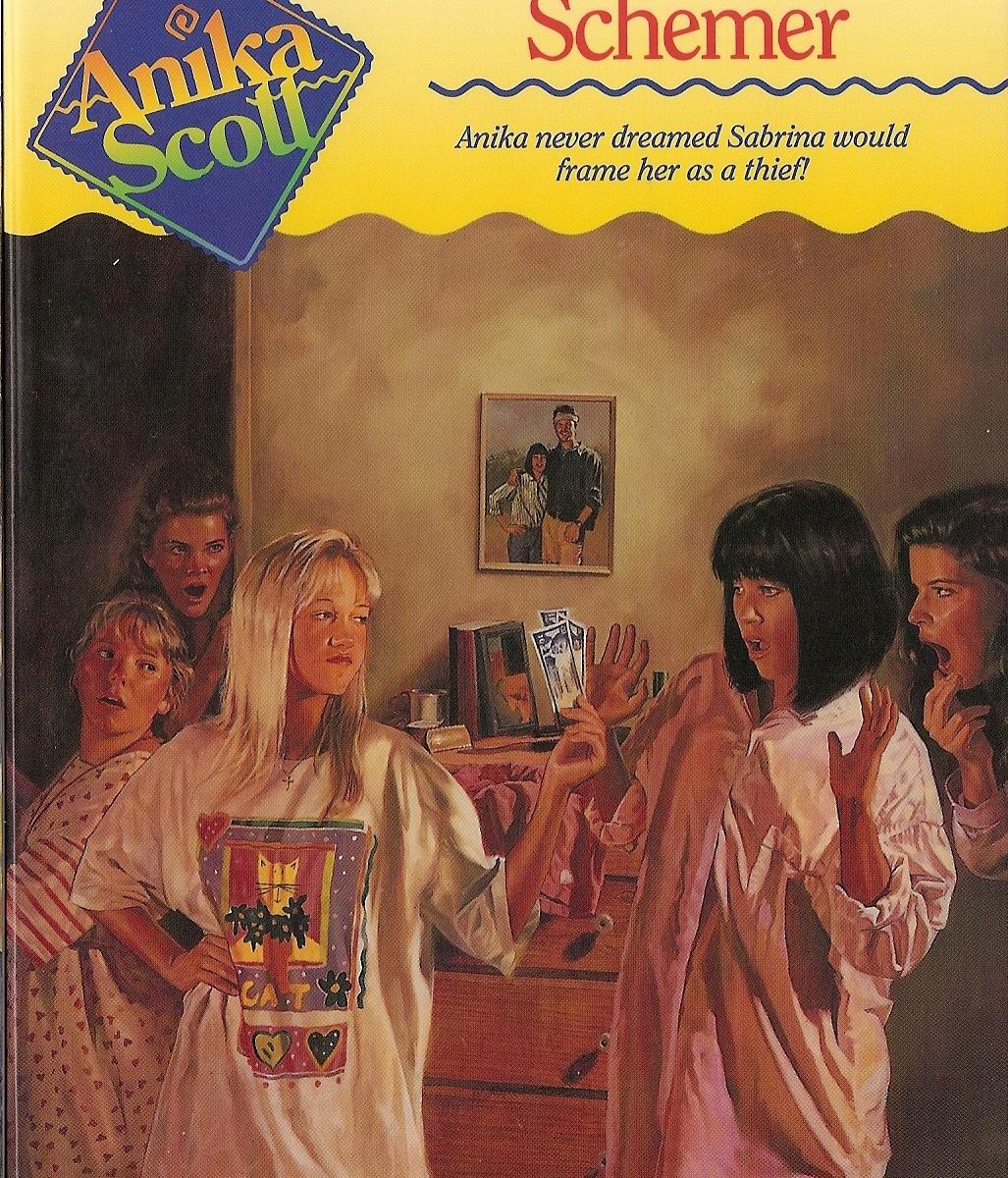
In this last book of the Anika Scott series, Anika’s term at boarding school begins badly, when her classmate Sabrina announces to everyone that Anika has “an illegitimate brother who drinks.” Despite Anika’s fears, the other girls do not hold this against her, but this only makes Sabrina’s grudge against her grow. Anika feels convicted about her own anger with Sabrina, but she does not know how to stop the feud. Only after seeking Sabrina out to apologize one night does Anika discover how lonely and unloved her classmate feels. This book shows rather clearly the difference between two boarding school students – one who feels confident of her parents unfailing love, and the other who is convinced that her parents have sent her away because she interferes in their work.
Reading level: age 10-14 years