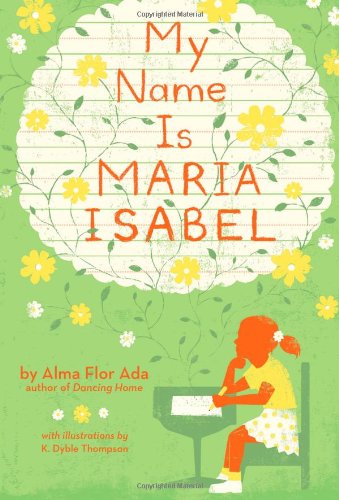
Maria Isabel’s family moves, and she starts attending a new school two months after the school year began. Maria Isabel loves her name because she was named after her beloved grandparents, so when the teacher insists on calling her Mary (because there are already two Marias in the class), she has trouble adjusting. Although she quickly makes friends, she cannot figure out how to explain to her teacher that she does not like being called Mary. Finally, a writing assignment at the end of two very long months give her a chance to change things for the better.
Reading level: age 7-10 years
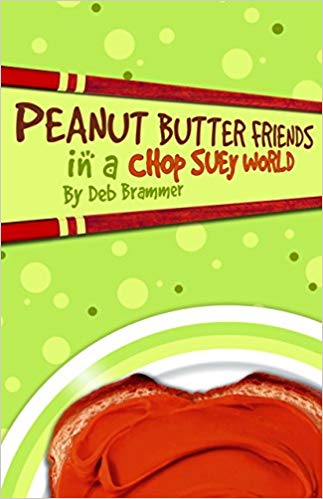
Peanut Butter Friends in a Chop Suey World is a fictional story about Amy Kramer’s first months in Taiwan. The sixth-grader has moved there with her family so her parents can begin missionary work, and she is eager to make some real Chinese friends. When the neighbor girls just giggle when she tries to greet them in her halting Mandarin, she turns instead to her “peanut butter” friends at the Taichung American School – American or international kids who are more like her. When she tries to be kind to the class outcast, though, she finds herself shunned even at school and has to make some hard choices and remind herself of what she came to Taiwan for in the first place.
Reading level: age 9 to 12 years
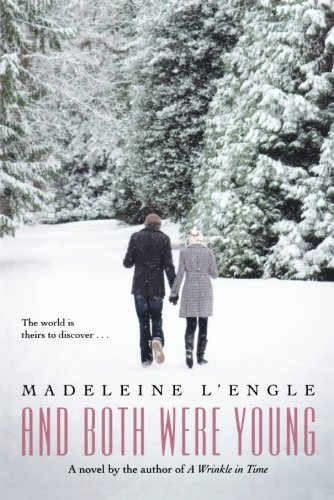
Madeleine L’Engle, author of the Wrinkle in Time series, drew on her own childhood experiences of Swiss boarding school and a nomadic lifestyle to write this boarding school romance novel.
When Philippa (nicknamed Flip) is sent from Connecticut to Switzerland she struggles to adjust. Out of place and teased by the other girls, she must learn to overcome her self-pity and shyness. Flip finds a true friend in Paul, a war orphan with a past full of questions, and together they grow in confidence (on and off their skis), overcoming great losses in their pasts. The slow transformation Flip undergoes is wonderful to watch: from the awkward serious girl who sees school as imprisonment to a brave friend.
And Both Were Young doesn’t cover the normal TCK themes seen in other young adult fiction (cultural identity, reentry, etc.) but has a matter-of-fact approach to making friends and readjusting to life after the loss of loved ones. It’s the kind of book you can enjoy as a young girl (or boy) and reread throughout your whole life, going back to the Swiss Alps and châteaus with Flip and Paul again and again.
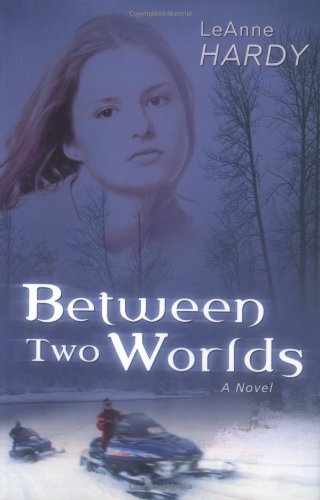
Cristina, an MK growing up in Brazil, has spent months dreaming about her quinze anos party, the 15th birthday celebration when a girl becomes a young lady. Now the family is on furlough in Minnesota, and Cristina is certain her quinze anos will be a disappointment. To make things worse, she finds it difficult to fit in at school despite the welcome of Lisa, her best friend from the previous furlough. Although Lisa generally includes her in activities, Cristina feels like an outsider, unable to find anyone who understands or cares about the things that are important to her. Uncertain of the latest styles or slang, she often feels foolish at school. Nevertheless, she is drawn to Jason, whose part-Korean ancestry makes him stand out too though in appearance rather than behavior. Together they face the attacks of the “in” crowd and discover that there are positive things about being “between two worlds.”
Despite its somewhat cheesy title, this is a really enjoyable and relatable read. It even shows how different TCKs from the same family can react to moving and goodbyes differently. The story is a little older so social media and cell phones aren’t part of the teenage world in “Between Two Worlds” but the dynamics of US American public school are still relevant.