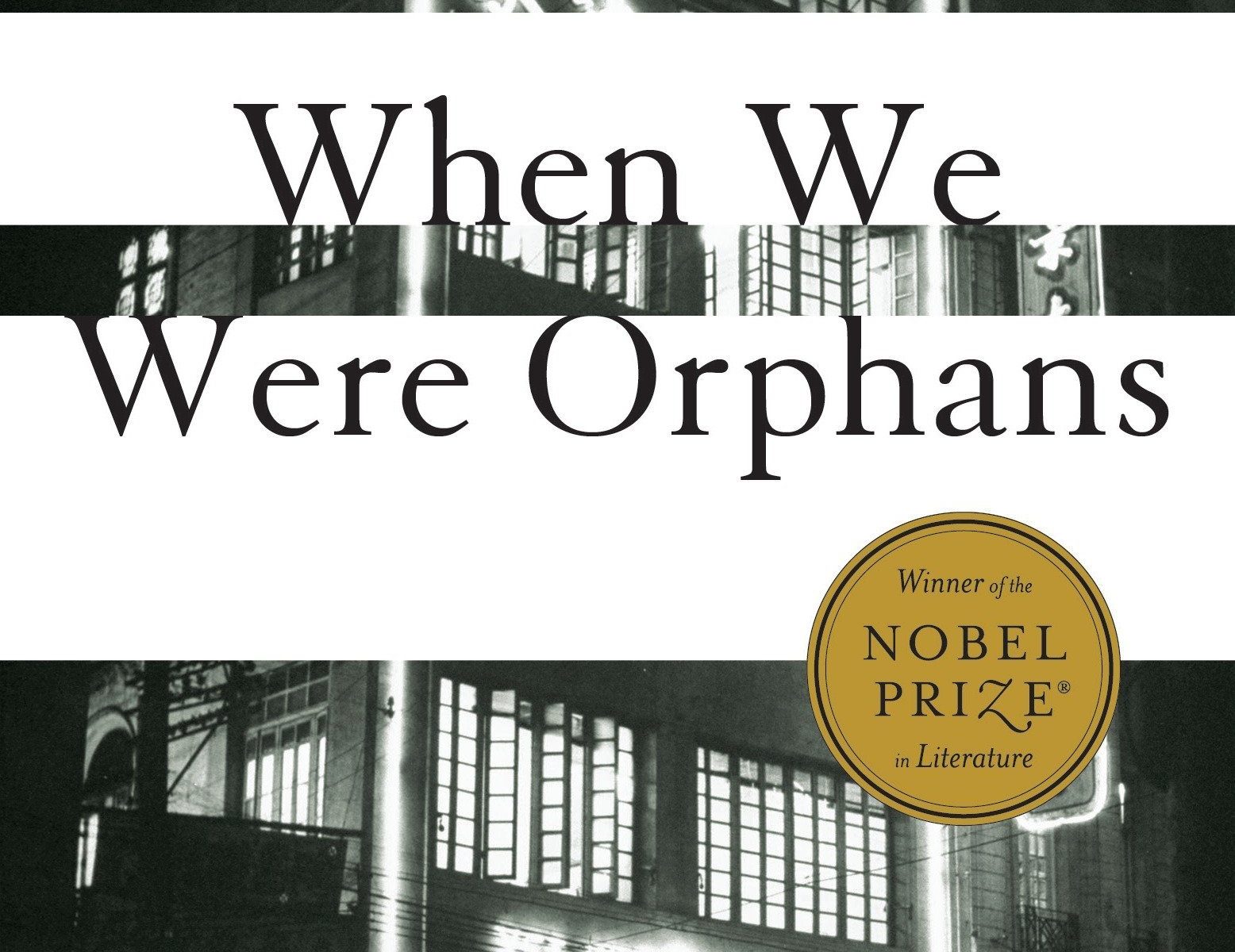
Christopher Banks, an English boy born in the early 1900s in Shanghai, is taken back to England as an orphan when first his father, then his mother disappear under mysterious circumstances. After he grows up to become a renowned detective in England, he returns to Shanghai to solve his parents’ disappearances, just as China’s war with the Japanese is heating up. Written in first person, Christopher’s early reminiscences about his childhood, and especially about his friendship with the Japanese neighbor boy touch on some familiar TCK experiences. But the experiences of the adult Christopher are surreal and the tone of the book changes as he ventures into a war zone trying to locate his parents, his judgement and perceptions distorted as he loses touch with reality. Although the mystery is resolved in the end, the experiences of the adult Christopher will not probably strike any chords with anyone who has not experienced a complete break with reality. Nevertheless, a well-written book by a talented author who personally experienced moving between countries as a child.
This is the first volume of Rumer Godden’s autobiography. She was born in England but moved to India when she was a baby, where she lived half her life. This book covers the years 1907-1946 and tells the story of Godden’s enchanting childhood in India as a TCK, her marriage to a charming but unreliable stockbroker, her life after his abandonment having to raise two children poor and alone, and finally the publication and success of her early novels. A Time to Laugh, No Time to Weep shows Rumer Godden’s understanding of loss, suffering and withstanding long endurance.
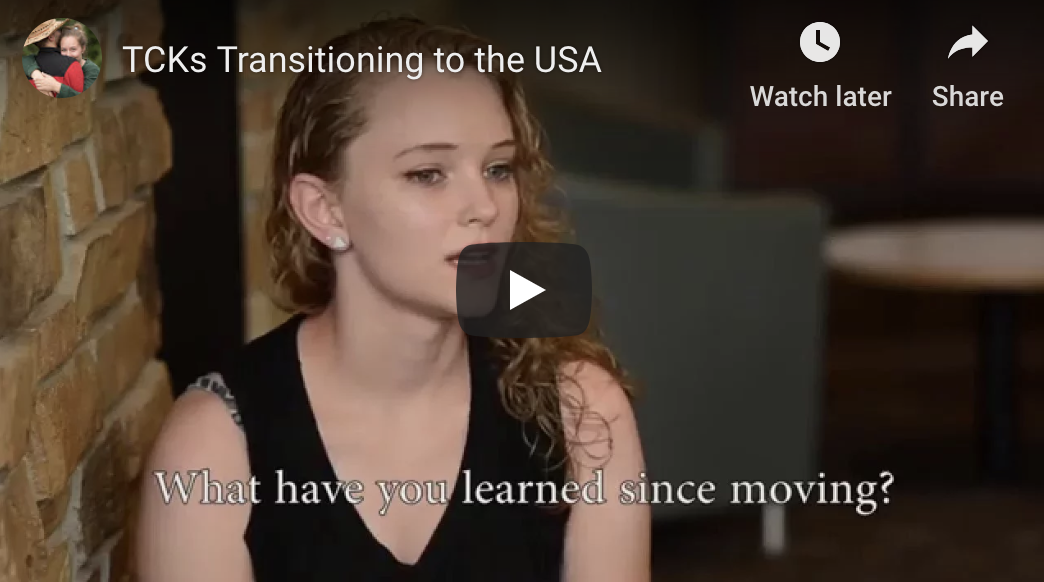
Reentering a passport culture is usually a tough transition for TCKs since they’re going through a cultural shift that the people around them can’t easily see. They look like the people around them but inside they are from a whole different place and way of thinking. TCKs who have recently gone through this reentry themselves share their experiences here–the good and the bad– and give advice about navigating reentry.
TCKs are notorious for hating the question “Where are you from?” Such a mobile childhood, surrounded by others moving all the time as well, can make it difficult to belong to one place or group of people. These TCKs were asked about their own experience of home and where they feel they belong.
How many homes have you lived in?
Where are you from?
Where do you consider home?
Where do you fit in best?
How has your sense of home changed over the years?
A compilation of articles and poems written by and/or about TCKs, this book puts together some of the classic writings on the subject. Numerous articles offer insights on parenting in addition to giving a portrait of the TCK experience from various perspectives in this slim but valuable volume.
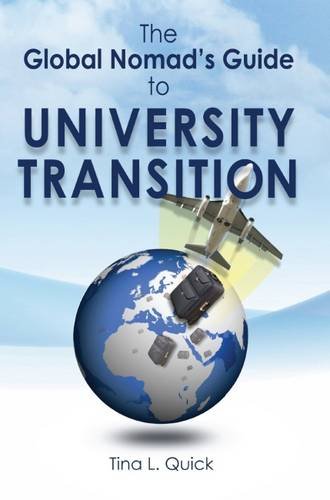
The only book of its kind, this focuses, as the title suggests on preparing TCKs for the transition to university/college after high school graduation. Writing primarily to university-bound TCKs, the author devotes approximately half the book to an in-depth look at transition process using Dave Pollock’s Transition model, as well as some typical TCK challenges (e.g. relationships, identity, etc.). The second half of the book covers practical matters related to life on campus, financial and physical health, etc. plus a chapter on personality differences based on the Myers-Briggs Temperament Inventory. The final chapter is for parents, addressing how to prepare and support their college-bound kids.