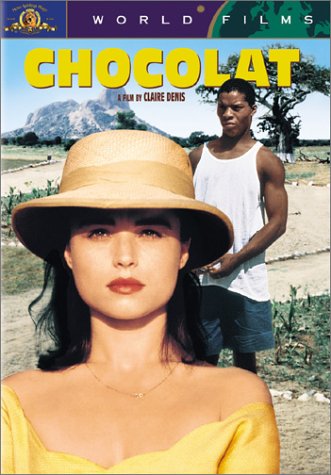
Not to be confused with the 2001 movie of the same name, this film is set in the 1950s, loosely a story of a French diplomatic family in colonial Africa. France Dalens returns to Cameroon as a young adult, and finds herself recalling her childhood living there at a remote outpost. With her parents emotionally distant and preoccupied, her closest friend is the regally handsome houseboy, Protee. As an assortment of Europeans pass through the station staying for extended periods, tension builds in the home. When the advances of France’s lonely mother are rebuffed by Protee, France’s friendship with him is altered as well. This movie is somewhat incohesive and the parts about France as an adult seemed to lack depth or significance (this may reflect a difference in style between American and French filmmaking). Nevertheless, most TCKs would enjoy this portrait of a foreign childhood.
Rated: PG-13
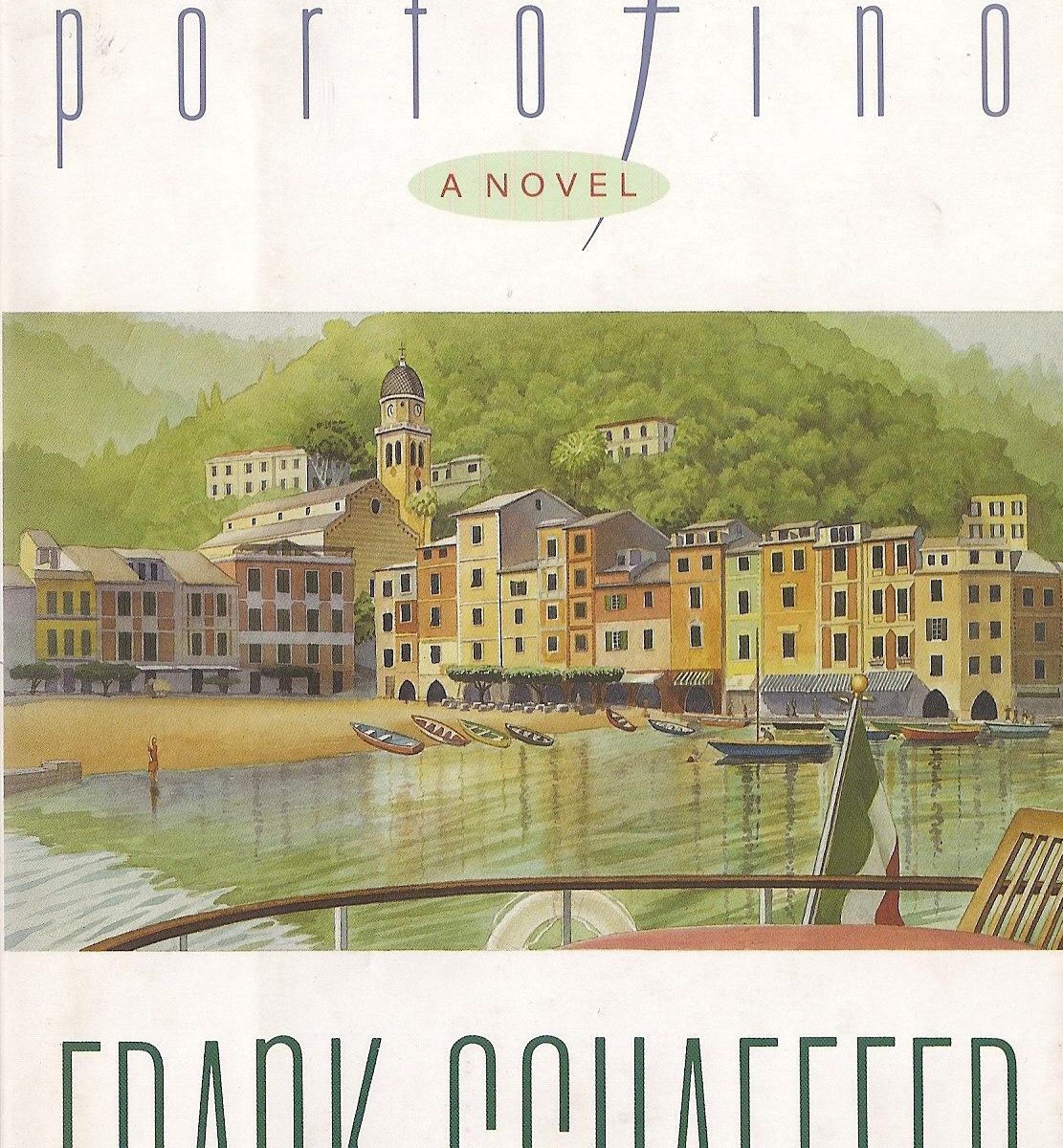
Written from the perspective of Calvin Becker, son of missionaries in Switzerland, this book describes two family vacations in Italy. The Washington Times reviewer describes the book well: “Calvin’s observations reveal the ironies of a family that speaks in biblical phrases but faces all-too-human foibles… Under Mr. Schaeffer’s graceful rendering, this is a story of sympathetic characters, a deft feat considering some of their narrow views.” The book is often humorous, though sometimes at the expense of Calvin’s Reformed (i.e. narrowly Calvinistic) family.
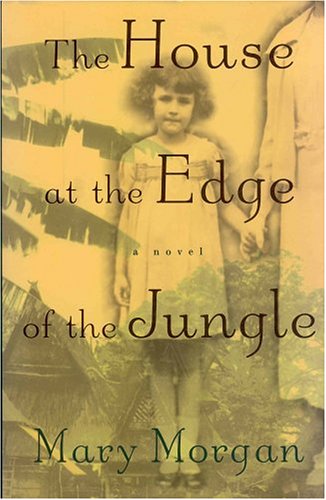
Isabel and her brother Victor were born in Malaya but not long after put hastily onto a ship just ahead of the invading Japanese army and taken from the only home they’d known to be raised in England with an elderly aunt. Victor was just a baby, but Isabel mourned the parents and beloved amah who were left behind and never seen again. The book is set in 1973 when Victor, now a rather dull adult, invites the sentimental Isabel to go to Kuala Lumpur with him on a business trip. Defying her stiff and conventional husband, she agrees, giddy with anticipation of revisiting their childhood home and learning more about the fate of their parents, especially the mother, who she vaguely remembers disappeared shortly after Victor’s birth, leaving the children in the care of their father, and later, a kind stepmother. Victor disapproves of her “obsession”, wanting to leave the past buried. But even he is drawn in as they begin to learn more from one of his colleagues who had met their parents. Isabel is drawn to Malaysia – a country both familiar and unfamiliar – and to her brother’s colleague, Oliver, who helps her unravel the story of her family. This book has enough accurate descriptions of the area to delight those familiar with the country, and it touches on some of the emotions of returning to a childhood home after being away many years and finding oneself torn between a deep sense of belonging and a feeling of displacement.
The story of Wintere Ballesteros, a half English half Spanish heiress born in India but later raised in England, who dreams of returning to her childhood home, where she will finally belong. When she returns to India as a young woman betrothed to man she has never met during the Sepoy uprising, her life is in danger, but she continues to long for her childhood home.
A historical novel set in turn-of-the-century India, The Far Pavilions follows the life of Ash, a British child raised as an Indian by his foster mother, until he is returned to England as an adolescent. His subsequent struggles to recapture his sense of belonging when he returns to India as a British officer are woven into the saga with romance, war, princesses, misunderstandings and clashes of cultures in British-ruled India. The author M.M. Kaye grew up in India during the era of the British Raj and draws on her own experiences.
Channe Willis, daughter of a successful American novelist, enjoys her carefree childhood in France until her parents adopt a French boy exactly her age. Her resentment of him and cruel treatment of him makes their relationship turbulent. When her father’s illness causes the family return to the United States during her mid-teens, she and her brother struggle to find their places. It is not until adulthood that they learn to love and respect each other and Channe begins to confront the ghosts of that long-ago sibling rivalry.
Channe’s parents have a very liberal parenting style, and some of their responses to her behavior may offend some people (as may some of Channe’s behavior). However, many of Channe’s experiences as a child, and even as an adolescent searching for love in a new, unfamiliar country, will resonate with TCKs.