Though usually recommended for adolescents or young adult MKs returning to North America for high school or college, this book is also for parents. It provides practical tips and insights to help children adjust to the initial move overseas, develop a strong identity, and return to the U.S. In addition to practical things such as driving, managing money and finding a job, issues such as alcohol and drug use, sex and AIDs are addressed.
There is lots of advice from MKs to both MKs and parents. The format will appeal to most teens. The book is over 20 years old so some of the practical information is outdated (e.g. telephones). Also certain important topics (e.g. cell phones or internet access) are absent as they were not used when this book was written. Nevertheless, much of the material remains relevant despite changing times.
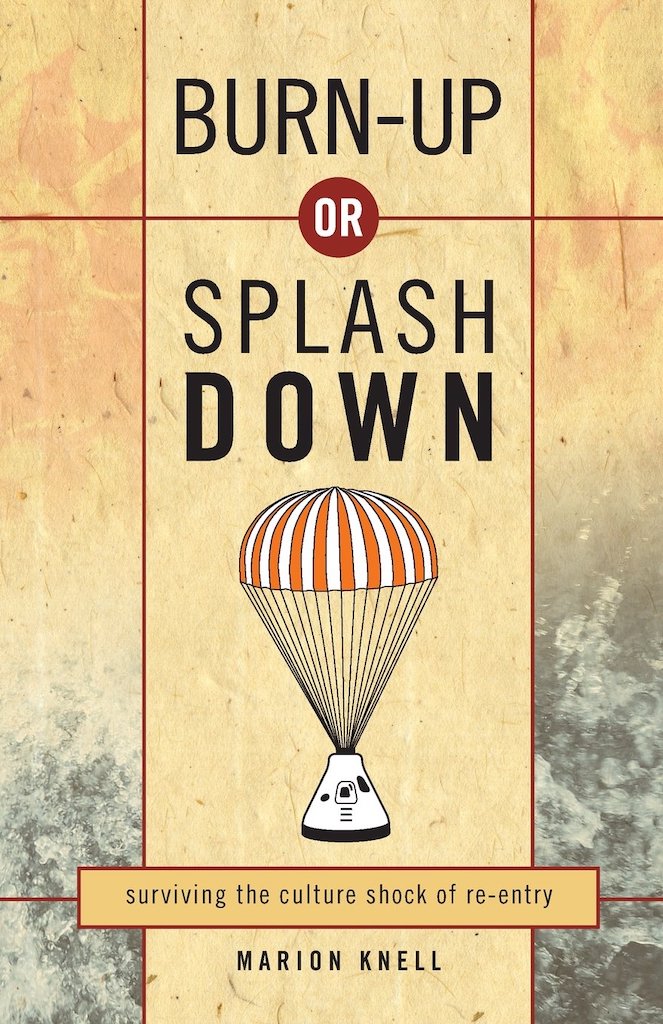
This book on cross-cultural re-entry addresses the issues most expatriates and their families face upon returning to their home country. The book is divided into three parts – the first for expatriates, the second for their children (TCKs), and the third for those receiving them.
Most people moving overseas for the first time expect to experiences culture shock and other difficulties when they move to a new country. They may not expect the confusion and panic that happens when they move “home.” This little book addresses these challenges: adapting to the passport culture, identifying areas of potential struggle, dealing with the emotional challenges, relocation, finding a new job and a new place to live, teenagers, returning is not coming home it is leaving home, and facilitating a smooth transition for those on the receiving end.
Author Marion Knell has traveled and worked with families overseas, especially in the Arab world. She works as a family cross-cultural consultant with business, humanitarian and Christian companies by preparing both adults and children for international assignments and debriefing them upon their return.
Third Culture Kids grow up between two worlds (or three, or more) and looking back on their experiences, see the good and the hard of being global nomads. The TCKs being interviewed are middle school, high school and college age, reflecting on their own lives.
What are you grateful for about being a TCK?
What has been the most challenging thing about being a TCK?
Do you ever wish you had grown up with a more normal life?
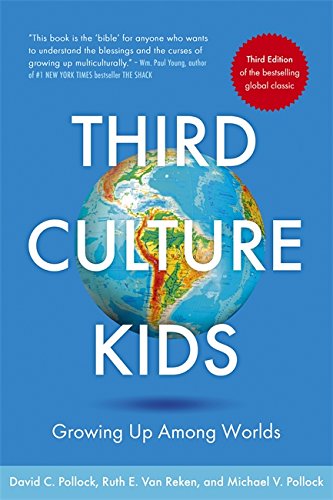
If you can read only one book on third culture kids, choose this one! In this, the quintessential book on Third Culture Kids (TCKs), the authors systematically and compassionately explore the experiences of children who spend a significant part of their childhoods overseas. Rich with real-life stories, this is one of the first books to fully examine the impact of the TCK experience on maturing, developing a sense of identity, and adjusting to one’s passport country later on. The authors give readers an understanding of the challenges and benefits of the TCK life and provide practical suggestions and advice on maximizing the benefits. Both original authors of this book are pioneers in the area of TCK and MK care and are considered top experts on the subject. Although the book is not specifically Christian, both authors are Christians with missions experience.
The new expanded edition adds a new author: Michael Pollock, son of the late original co-author David Pollock, a TCK specialist himself. Information is updated and new content highlights the impact of technology, new advice for parents of TCKs, more discussion on unresolved grief and a deeper look into TCK relationships. The authors also expand the coverage to include cross-cultural kids, children of biracial or bicultural parents and immigrants. This book was ground-breaking when it was originally published and continues to be the one of the best sources for those who want to learn more about TCKs.