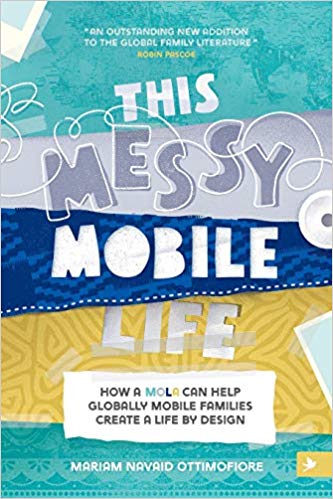
This unique book focuses on mobile families with extra layers of complexity – those who are multicultural, multilingual, multi-ethnic and/or multi-faith.
The author uses the metaphor of a South American shirt called a “mola,” made from layered fabrics that are carefully cut and stitched to reveal the colors of the inner layers. MOLA families, she explains, also have many layers. The “MOLA toolkit” helps families sort out the complexities and create a life “by design.” The author weaves together her own family’s story, examples of other MOLA families, insights and information, advice (both her own and that of other intercultural experts), and thought-provoking questions.
At the end of each chapter guided activities help families apply the insights and tools and Conversation Starters prompt meaningful family discussions.
This is a truly ground-breaking book that covers issues other books do not. Though some parts would be relevant for any Third Culture (or Cross-Cultural) family, it is really written for families that bring together -through marriage, birth or adoption- parents and kids who have a variety of nationalities, ethnicities or faiths, and/or speak a variety of languages.
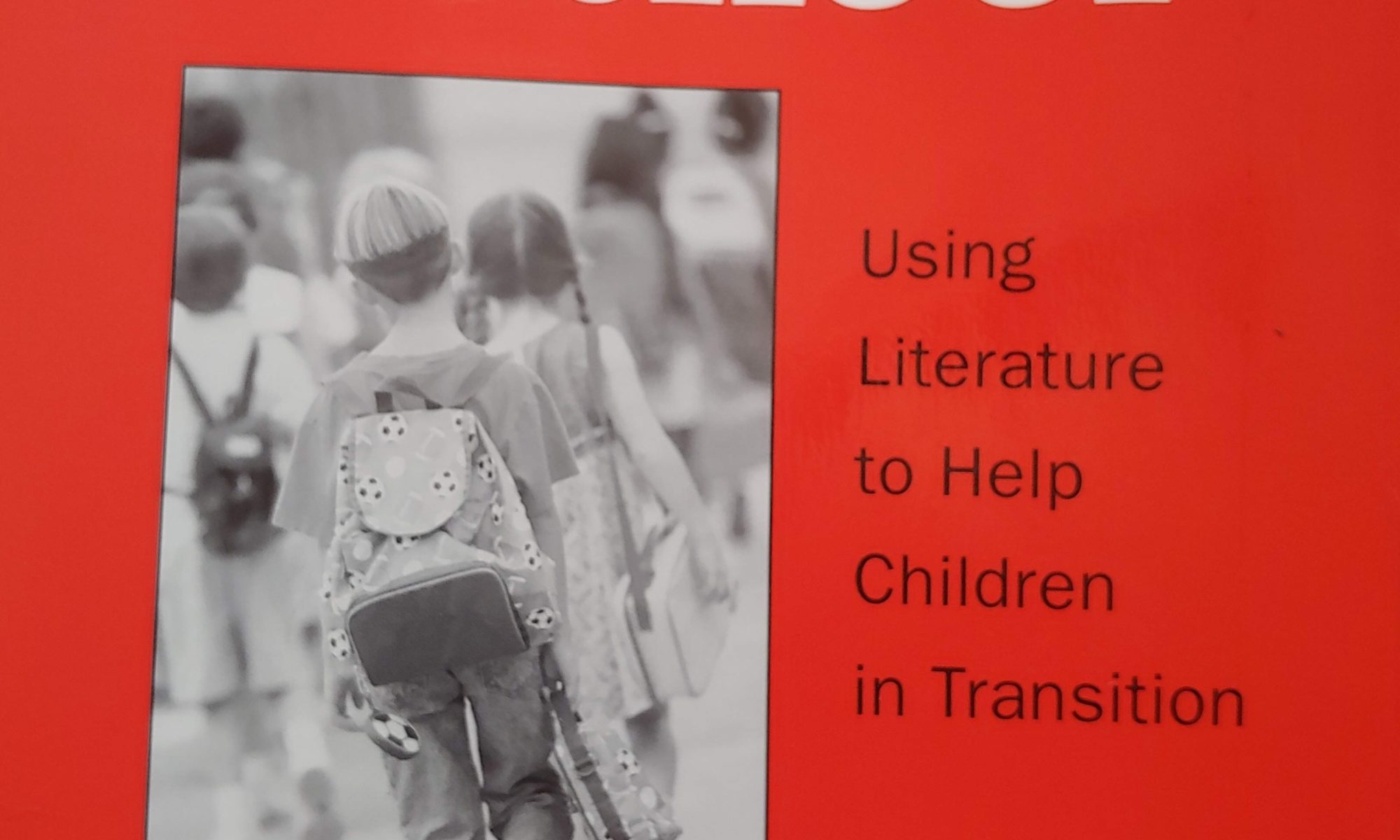
This is an excellent resource for educators who want to help mobile families, like TCKs at international schools. Focusing on elementary classrooms, “New Kid in School” gives practical advice, lesson plans and lots of children’s book recommendations for teachers to incorporate into their curriculum. It takes theory about mobility and turns it into usable material for educators.
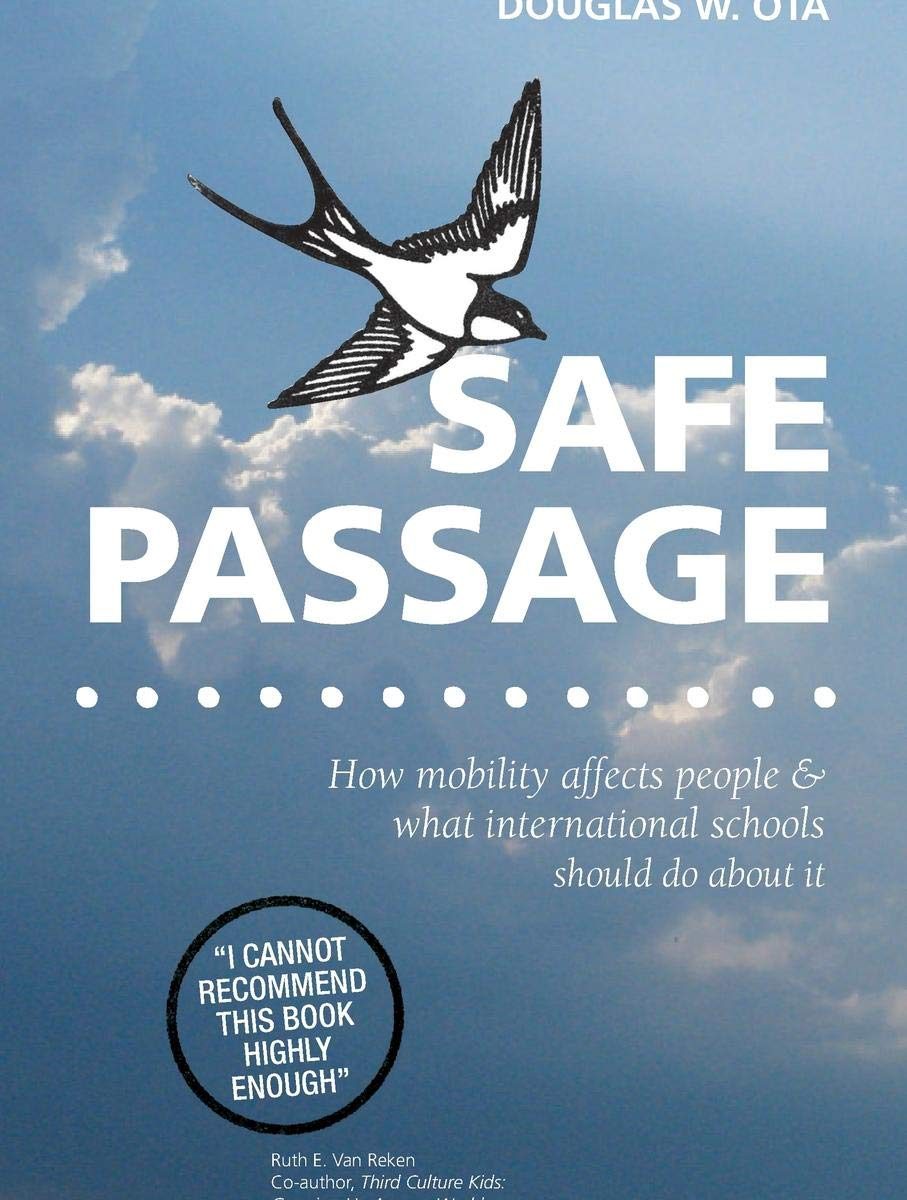
Focused mostly on educators, this book looks into the effects of moving and transition on students and people in general. Using brain science, attachment theory, meta-analysis and personal stories, this is a well-rounded look into the effects of mobility. Though focused on international schools, this book is also beneficial for parents, TCKs, and organizations that experience high mobility.
The book is organized into three sections:
On the High Seas: Why Moving Across Cultures is Challenging
Finding a Safe Harbor: Building Programs to Match the Challenge
Ensuring Safe Passage: Navigating Mobile Lives Through the Hearts of Schools
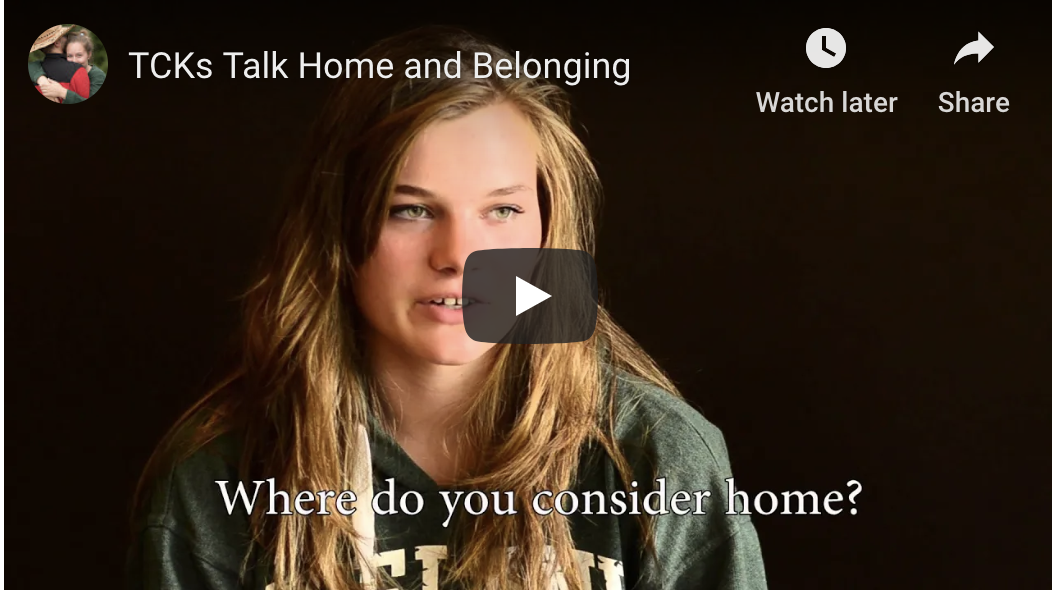
TCKs are notorious for hating the question “Where are you from?” Such a mobile childhood, surrounded by others moving all the time as well, can make it difficult to belong to one place or group of people. These TCKs were asked about their own experience of home and where they feel they belong.
How many homes have you lived in?
Where are you from?
Where do you consider home?
Where do you fit in best?
How has your sense of home changed over the years?