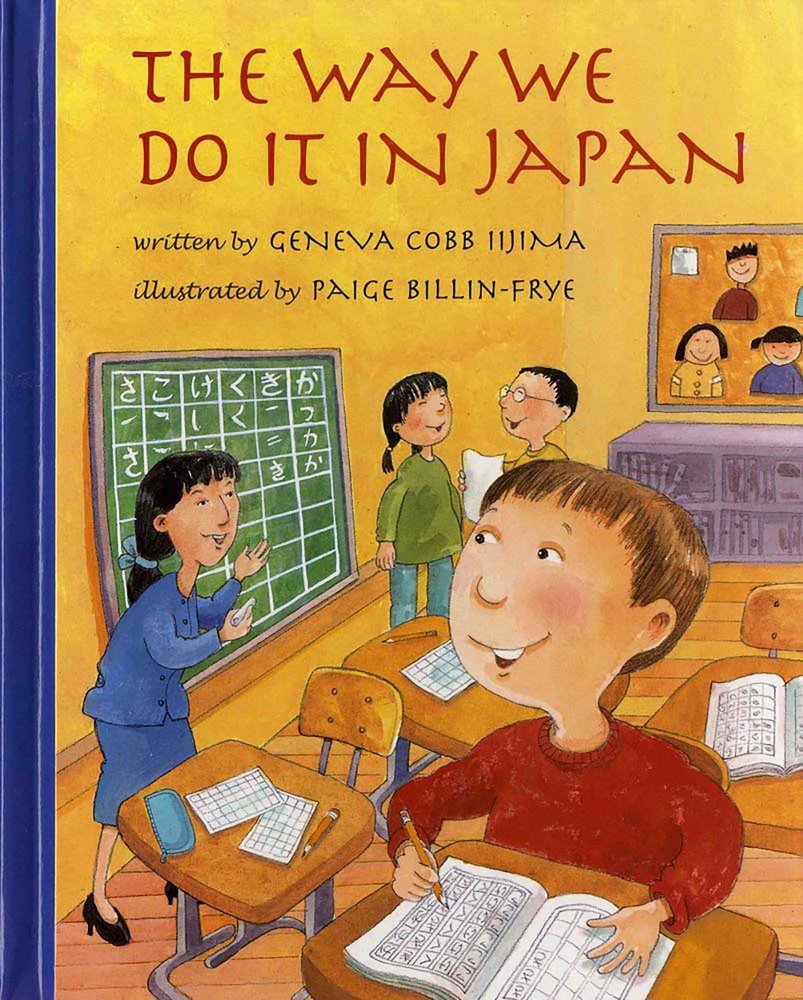
Gregory’s dad comes home from work one day and announces that they’re all moving to Japan! Even before leaving their home, the family begins to learn Japanese and how to eat with chopsticks. Everything is different for Gregory in his new home and new school but he tries his best to learn all about the way things are done in Japan. Even without speaking the same language as his classmates, he finds ways to make friends and tries to fit in and is surprised to find out in the end that his classmates are adapting to him too.
Reading level: age 4 to 8 years
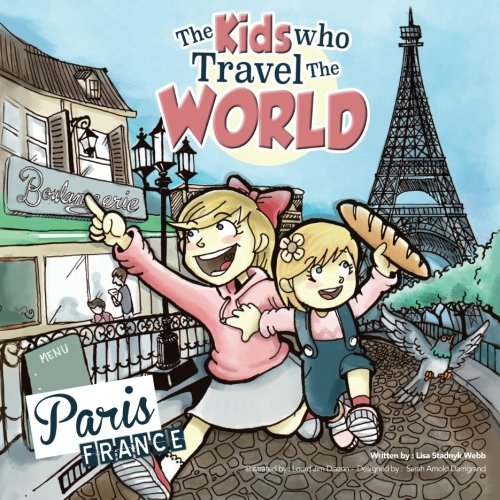
This is the first in a series about two Canadian sisters who love to travel the world. The girls travel to Paris and to everything on their list from visiting a bakery to the Louvre to walking on cobblestone streets (which they were doing the whole time without realizing). This is a fun series for kids who like to learn about the world.
Reading level: age 3-10 years
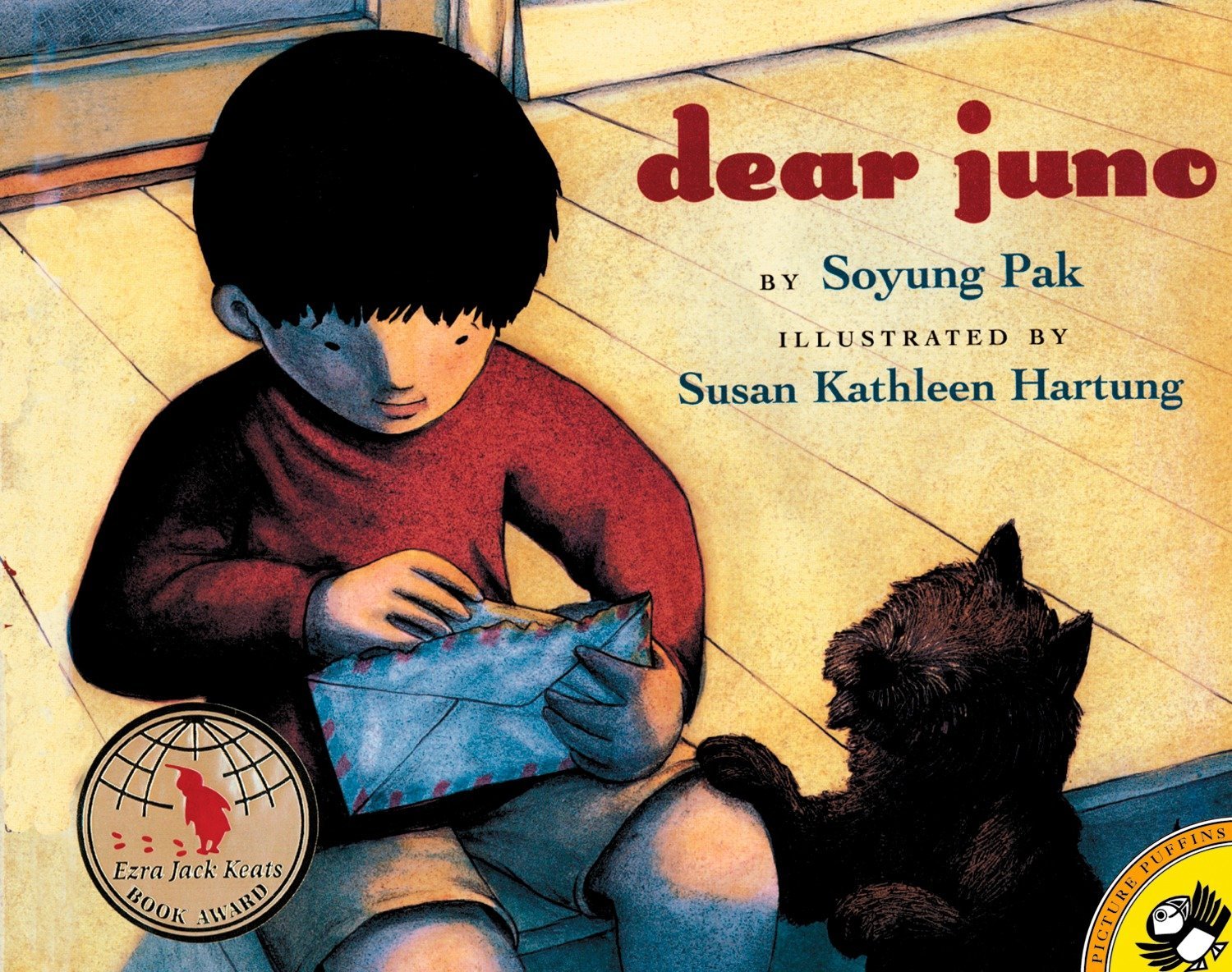
A little boy named Juno is excited to open a letter from his grandmother who lives in Korea but he can’t read it. Juno understands what his grandmother means, though because of the photo and the pressed flowers that his grandmother sent. So he decides to send his own letter back to his grandma with his own pictures and leaves.
This sweet story shows the difficulty of being far from extended family when you’re living in another country and the sweet illustrations are touching.
Reading level: age 3-7 years
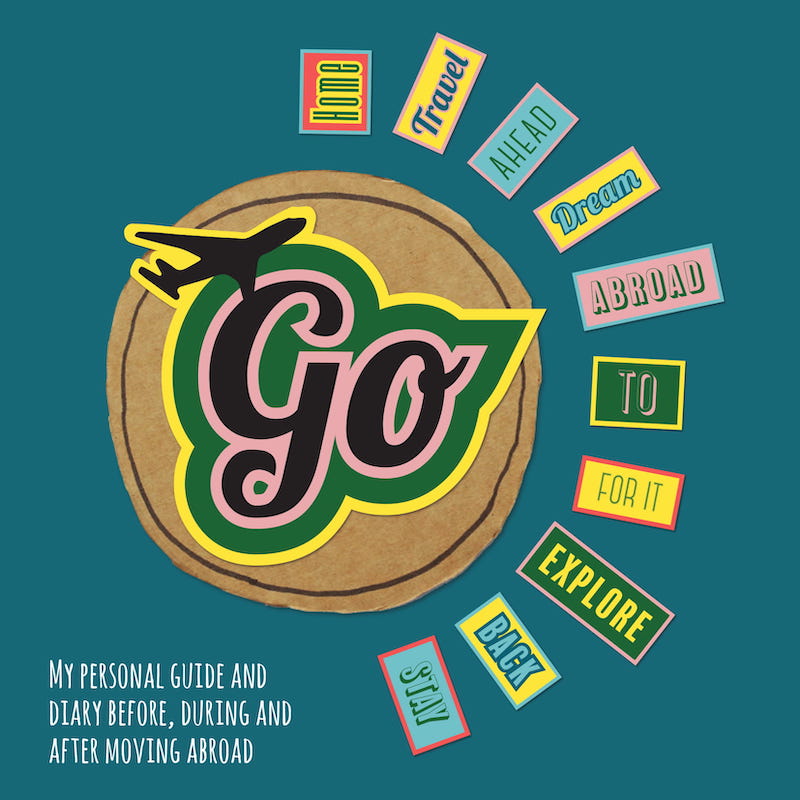
This gorgeous full color workbook for children and adolescents is a delight to look at and just as fun to read. Go! is divided into three sections: pre-field, entering a new country, and re-entry. A TCK can complete the whole book or just the section to applies to them at the time. Younger children will need help with some of the reading and projects, though many activities are drawing and not writing.
Go! helps TCKs to process their emotions (there is a whole page of emotions to choose from), record memories, say goodbye well and learn to make new friends. Parts of it are creative and fun and it is also very deep. I would have loved to have a workbook like this when I was young and I’m still tempted to fill mine out. It ships from Denmark (I believe it’s available in English and Danish) and at the time of writing this isn’t available on Amazon so be sure to allow time for it to arrive if you aren’t ordering within Europe. Order it here.
Reading level: age 6-13
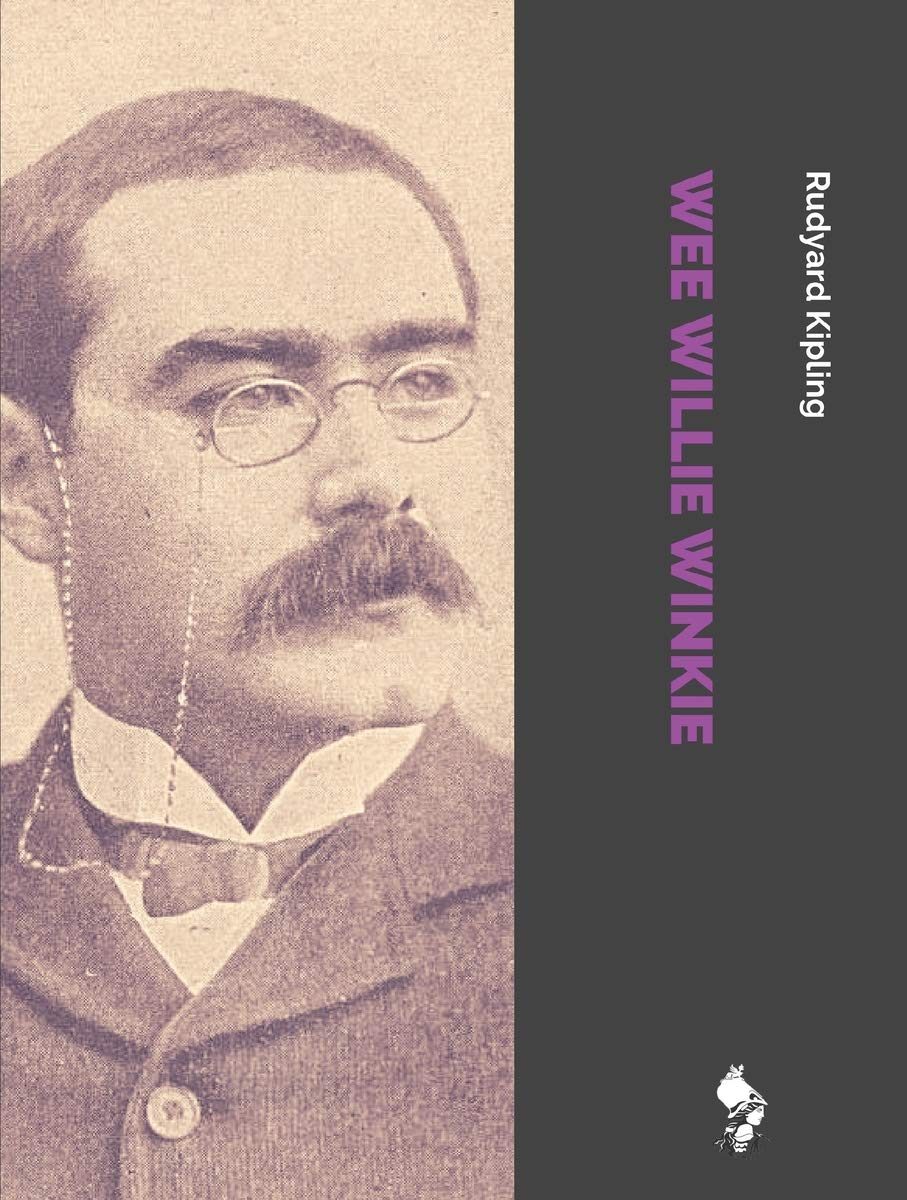
Rudyard Kipling is a controversial figure in today’s TCK world – a TCK from colonial times who wrote things that reflected the British mindset of the time, as well as things that were, for that era, remarkably counter-cultural and Progressive. For their historical value, we include from one short story collection, these three stories in which the protagonists are young British children raised in India.
Baa, Baa, Black Sheep – Two young children (ages 5 and 3 years), are brought back from India to England to stay for 5 years until their beloved parents can return to them. The heart-wrenching description of the bereft children’s misery when they realize their parents are gone hints that this story is probably based on Kipling’s own experience being left with a strict caretaker in England who had no understanding of his former life in India.
Wee Willie Winkie – Willie, the precocious, little son of a Colonel in British India stands up to some ruffians intent on harming the young fiancée of an officer who Willie idolizes, after she strays into their territory. The Shirley Temple movie of this name was adapted from this story.
His Majesty the King – A little English boy in India has the affection of his nanny and his playmate’s kind mother, but longs for his own, preoccupied parents to pay attention to him.
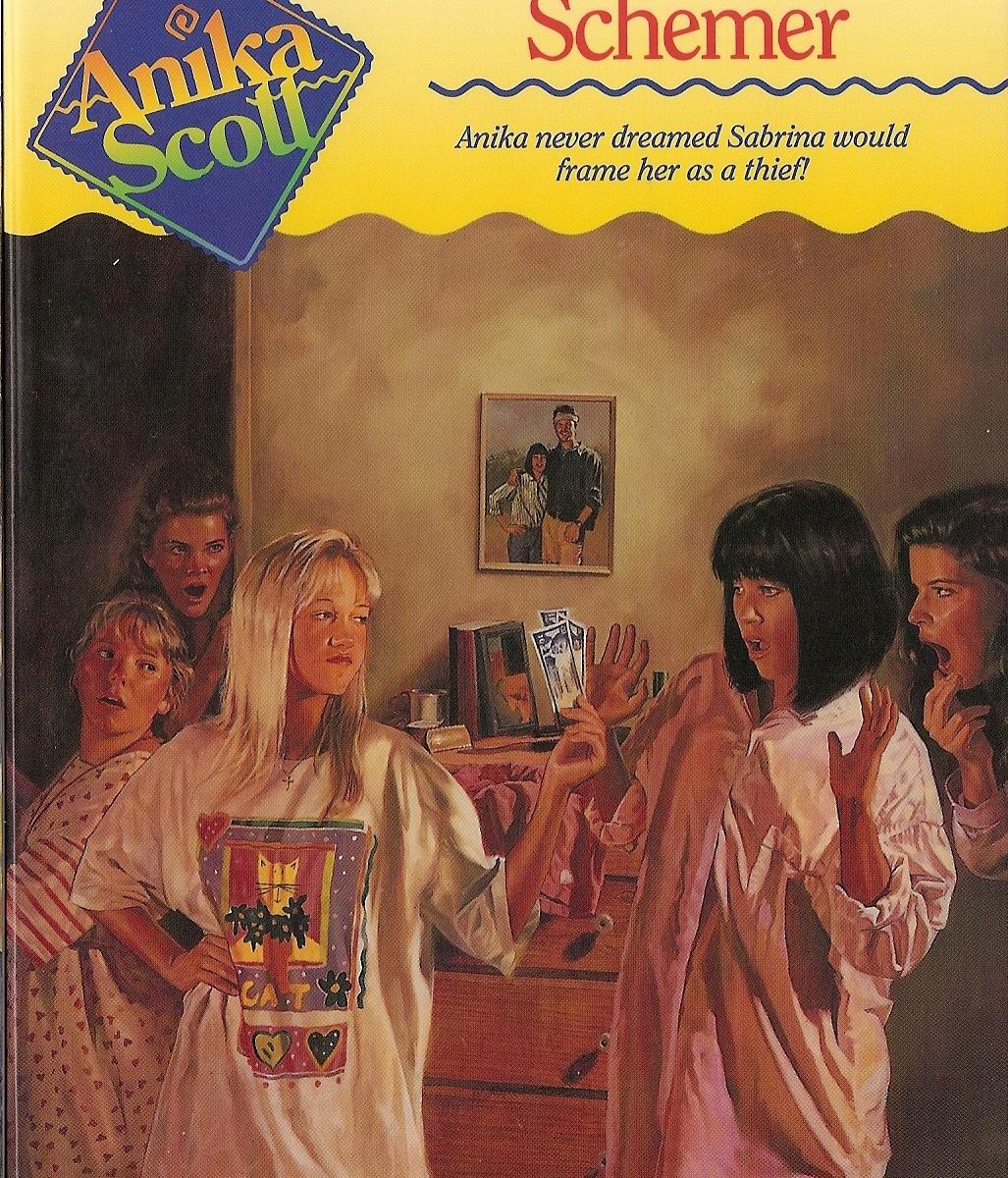
In this last book of the Anika Scott series, Anika’s term at boarding school begins badly, when her classmate Sabrina announces to everyone that Anika has “an illegitimate brother who drinks.” Despite Anika’s fears, the other girls do not hold this against her, but this only makes Sabrina’s grudge against her grow. Anika feels convicted about her own anger with Sabrina, but she does not know how to stop the feud. Only after seeking Sabrina out to apologize one night does Anika discover how lonely and unloved her classmate feels. This book shows rather clearly the difference between two boarding school students – one who feels confident of her parents unfailing love, and the other who is convinced that her parents have sent her away because she interferes in their work.
Reading level: age 10-14 years