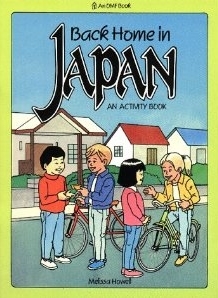
Missionary kids John and Lisa are glad to get back to Japan after furlough in America. Although they are sad to leave their relatives, they enjoy moving into their new house, making friends with the neighbor kids, and eating familiar Japanese food. Later, their family travels from their home in Sapporo in the north all the way to the southern city of Nagasaki, visiting various cities along the way. This is basically a coloring book with a storyline about the life of two MKs. Activities are interspersed throughout the book (e.g. mazes, crosswords, word searches, Japanese character writing, dot-to-dot). There is also an accompanying Parent/Teacher Guide that gives more information on Japan and gives lesson plans for five lessons, suitable for a children’s missions conference or a similar event.
Reading level: age 6-9 years
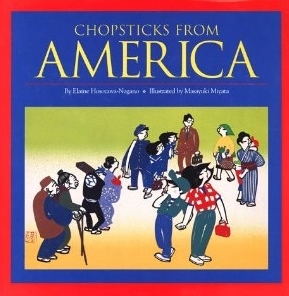
Two Japanese-American kids, ages 5 and 11, move to Japan where their father’s company has been posted. Both kids initially dread the move and they are recognized as “gaijin” (foreigners) when the arrive, in spite of the fact that they are ethnically Japanese. Though they take different approaches to settling into new surroundings, both children eventually adjust, recognizing finally that they’ve grown in “ways that can’t be measured by a yardstick.” This oversized chapter/picture book is rather long for young children but would be good for older elementary or middle schoolers.
Reading level: age 9-12 years
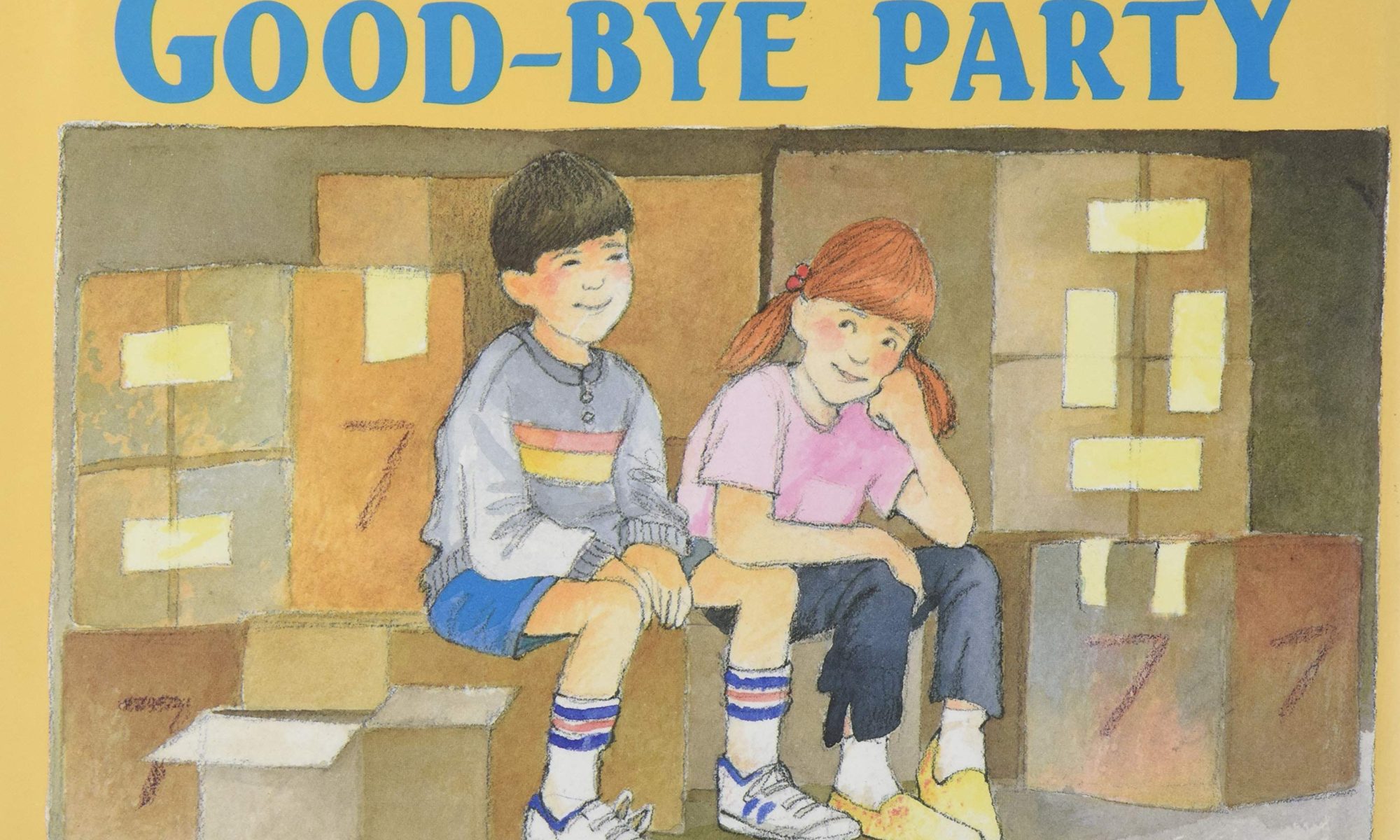
The night before Jessica’s neighbor and best friend, Jason, moves to a new house across the city, she invites him for a good-bye party. Although they try to celebrate together, they end up fighting because they are both feeling so unhappy about the separation. When they make up, they are able to talk about their feelings and reaffirm their friendship.
Reading level: age 3-7 years
Side-by-side pictures illustrate the same story line, showing similarities and differences between the lives of two boys, one in a western town and one in a rural African village. The words for both stories are the same and run through the middle of the page. The text is very simple, but the details in the pictures are delightful and could captivate kids and grown-ups. This is a great book for discussion since it helps kids develop observation skills and see another way of life.
Reading level: age 4-8 years
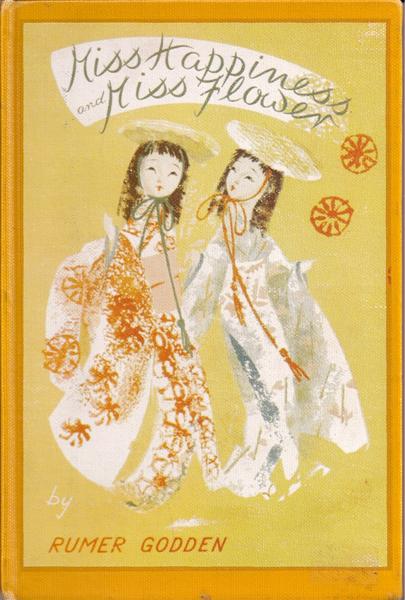
Nona, who was raised by her Ayah on her father’s tea estate in India, is sent back England to live with relatives at age eight. Given no choice in the matter, she feels very out of place in the new country. She dresses and talks differently, likes different things, and finds life in the city frighteningly fast-paced. Her older cousins are kind, but her younger cousin, jealous of the attention Nona was given, teases Nona and makes it harder for her to fit in. Then Great-Aunt Lucy sends two Japanese dolls from America, and as Nona works to make the two dolls from a foreign land feel comfortable, she finds herself making friends and adjusting to her new life, as well. The story is followed by detailed instructions for making a Japanese dollhouse, the project Nona and her cousins undertake in the book.
(NOTE: For those who want to read about further adventures of the girls and their Japanese dolls, Little Plum (1962) is a sequel. In this second book, however, Nona is well-adjusted to life in England and the focus is more on Nona’s cousin, Belinda, so it is not included on this website as a TCK book.)
Reading level: age 8-11 years
More a photo book than a picture book, this sweet story follows the life of 5 year old Eliza as she adapts to life in a remote Malaysian village. She boils ants out of her water, adventures through the jungle and pees in a squatty potty (don’t worry there aren’t pictures of specifically that). She discovers some things that she loves – like the candies at school – and others that frustrate her – like the way everyone touches her blonde hair.
Though this is an older book, I would recommend it to families with young children moving to remote areas to help prepare their kids for some of the rougher aspects of village life that are still applicable today. It can also get them excited for the unique joys of living somewhere unconventional. Kids already living far from paved roads could relate to Eliza’s story.
Reading level: age 4-8 years