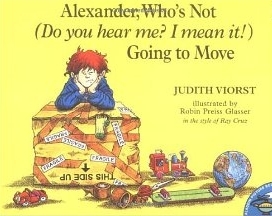
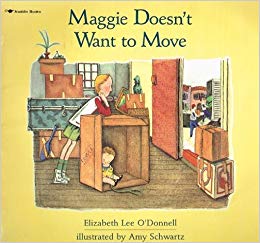
His family is moving but Alexander has decided he’s not (and he means it!) going anywhere. He investigates other living arrangements while at the same time saying goodbye to people, places and things. His parents gently help him work through his feeling, until he finds himself packing. A humorous yet realistic look at a difficult situation.
Reading level: age 5-8 years
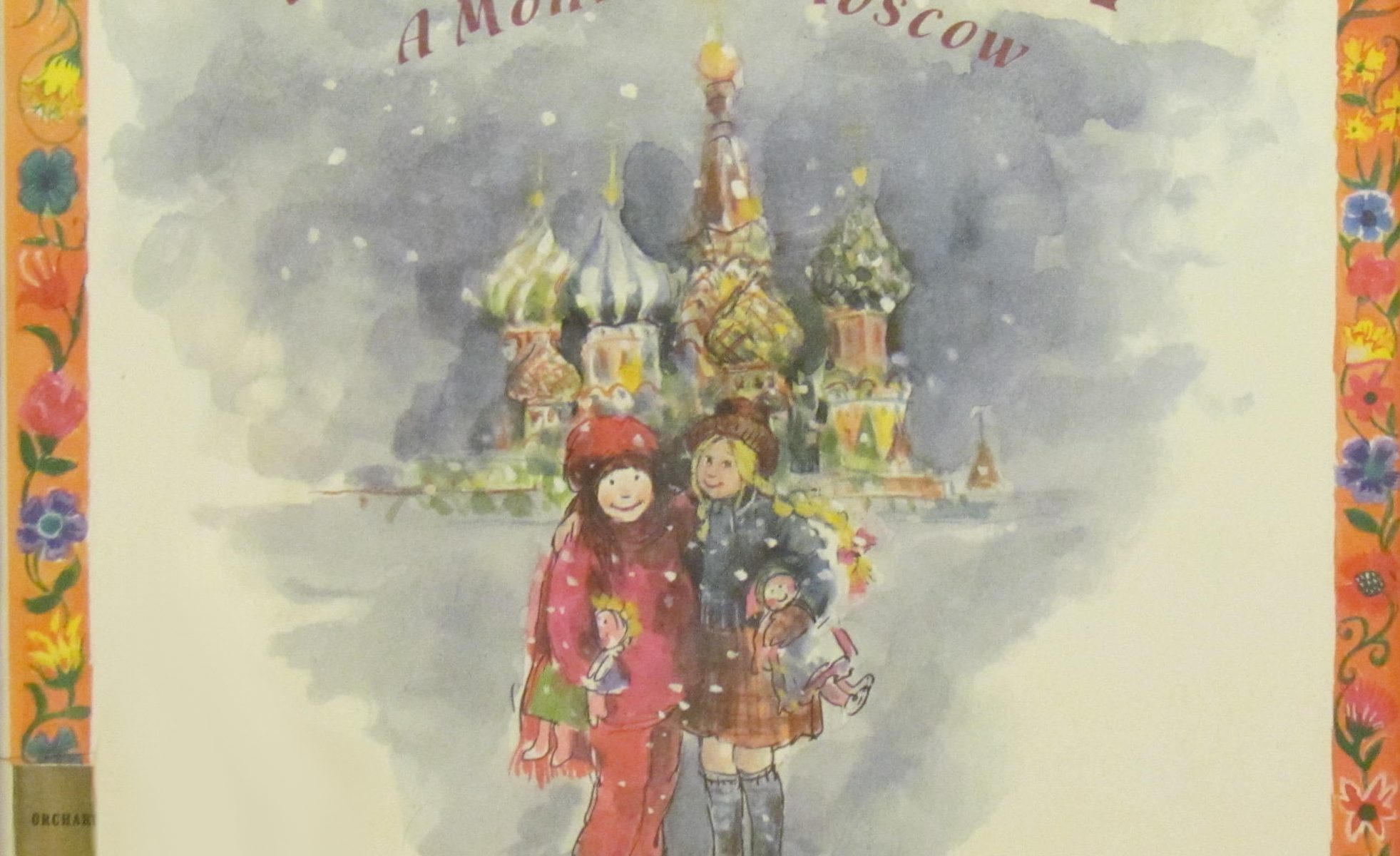
Five-year old Annie spends a month in Moscow with her parents, doctors who are working there in a hospital. When she first arrives, everything is unfamiliar – even the alphabet. Annie tries to cope with the unwelcome changes by withdrawing, but soon makes friends with Anya, a Russian girl at her daycare. Anya helps her learn Russian, and soon Annie is enjoying her new home. A touching portrayal of a child’s culture shock, especially when Annie comforts herself when overwhelmed with the Cyrillic writing around her by singing the alphabet song loudly to herself.
Reading level: age 6-9 years
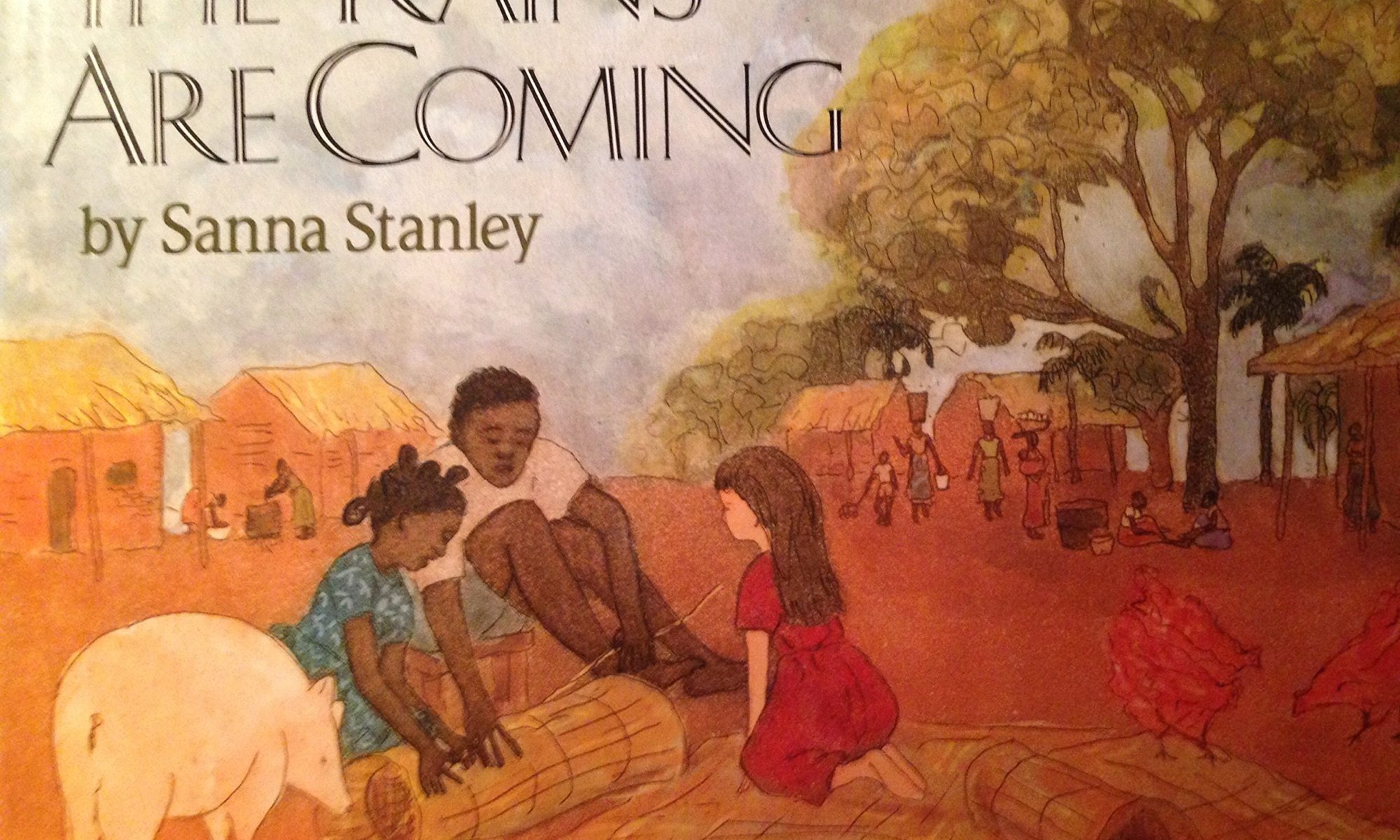
Aimee is a missionary kid living in Zaire (now the Democratic Republic of Congo) where it always seems like it’s going to rain but it never actually does. On her birthday she runs through the village inviting friends to her party who tell her that the rain is finally coming. They move her birthday party inside just before the rain comes pouring down. This was actually written by an MK from Zaire and she portrays the sights and sounds beautifully.
Reading level: age 3-8 years
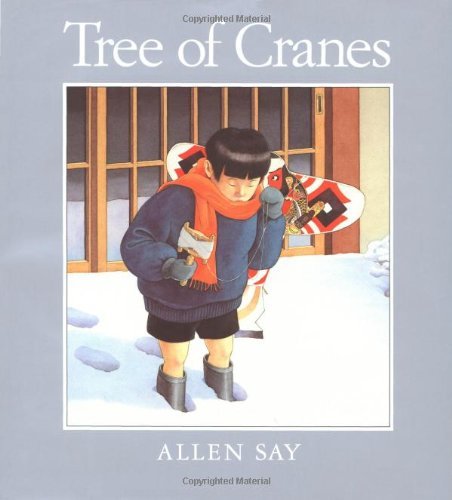
This is a story about a Japanese boy’s first Christmas. A Japanese mother who was born and raised in California decorates a Christmas tree and shares her childhood experiences of Christmas with her young son in Japan. It’s actually the story of the author and his mother, by the same author of Grandfather’s Journey and Tea with Milk.
Reading level: age 4-9 years
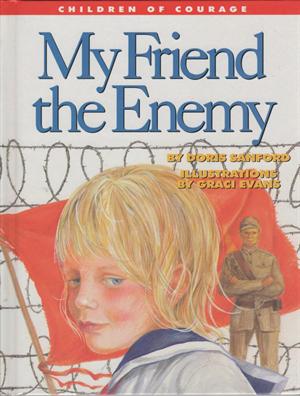
Kathy is in her first year at boarding school in northern China when Japanese soldiers arrive to take the children and teachers to a prisoner of war camp, where they were to remain for several years. Kathy and her older brother face hardships, disease and discouragement, but their teachers remind them that “The soldiers cannot take God out of this camp” and encourage them to find joy in small things. During her imprisonment, Kathy befriends a Japanese guard, and they celebrate together when the war ends. Although it is not expressly stated, the girl in the story is almost certainly an MK. Her experience as a prisoner of war, of course, is not especially typical, and her friendship with the guard is not given much attention. The focus of the book is on Kathy’s courage in the midst of frightening circumstances. Questions at the end of the book can initiate discussions with elementary aged children about dealing with fear, how to live peaceably with others, and why countries have wars.
Reading level: age 8-11 years
When Simon’s family starts packing for a move to a new house, Simon thinks and talks about the reasons he does not want to leave and about his feelings about moving – and he attributes them all to his baby sister, Maggie. His mom helps him by suggesting that “Maggie” look over the new house and neighborhood and then decide. Finding fun things for Simon in the new place help “Maggie” decide to stay.
Reading level: age 3-7 years