TCK author Ann Liang grew up between China and Australia and draws on her own childhood experiences to write “If You Could See the Sun,” a fun YA romance novel set in Beijing. The book is about Alice, a Chinese/ American scholarship student at an elite Beijing boarding school. Surrounded by wealthy students, Alice is focused on her grades and set on beating her academic rival Henry. Then suddenly Alice goes from unpopular nobody to actually invisible. She can’t control when she turns invisible but still decides to use her powers for something useful and starts a lucrative side-business. As the jobs she takes become higher and higher stakes, she has to decide what she can justify for the sake of income.
It’s definitely a fun read, and I loved the chemistry between the academic rivals. The ending was a bit morally questionable and there is a good amount of swearing, so if you’re put off by that take note. No sex scenes, just a kiss. I’d recommend this book for high schoolers or older, though some middle schoolers would enjoy it as well.
This isn’t written as a “TCK book” but instead marketed to a wider audience. I enjoyed the international school context and seeing some reflections from the main character on being bi-cultural and the way moving countries affected her. The TCK themes are more subtle since the focus is on the characters and the plot. This book actually came to my attention in a list of other YA fiction since it’s a genre I enjoy reading for fun, and I noticed that the main character happened to be a TCK!
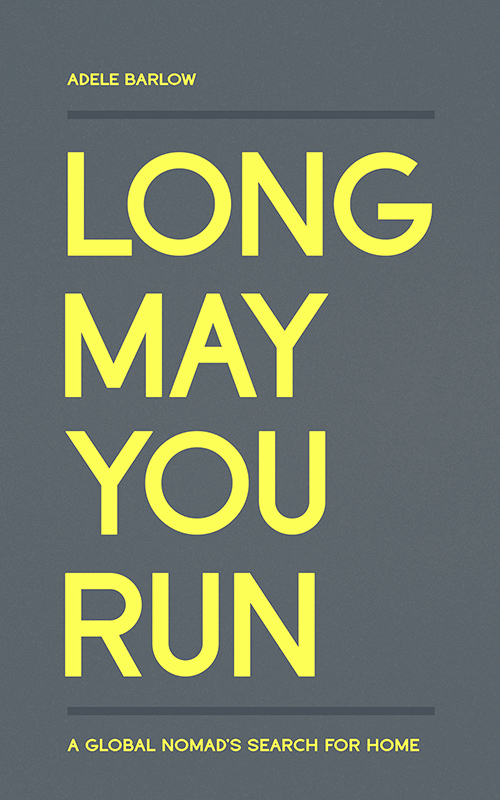
This autobiographical collection of essays was a joy to read. Adele Barlow is a TCK with Malaysian and Kiwi parents who grew up between Hong Kong and New Zealand. Her search for identity and meaning is a very relatable TCK issue and she writes about it in a fresh way, sharing anecdotes from her moves, relationships and therapy sessions.
I’ve read a lot of stories and essays about TCK identity and sometimes get tired of them but I enjoyed Barlow’s writing style and her candidness. I found myself cheering on her progress and eager to see the conclusions she came to in her self reflection.
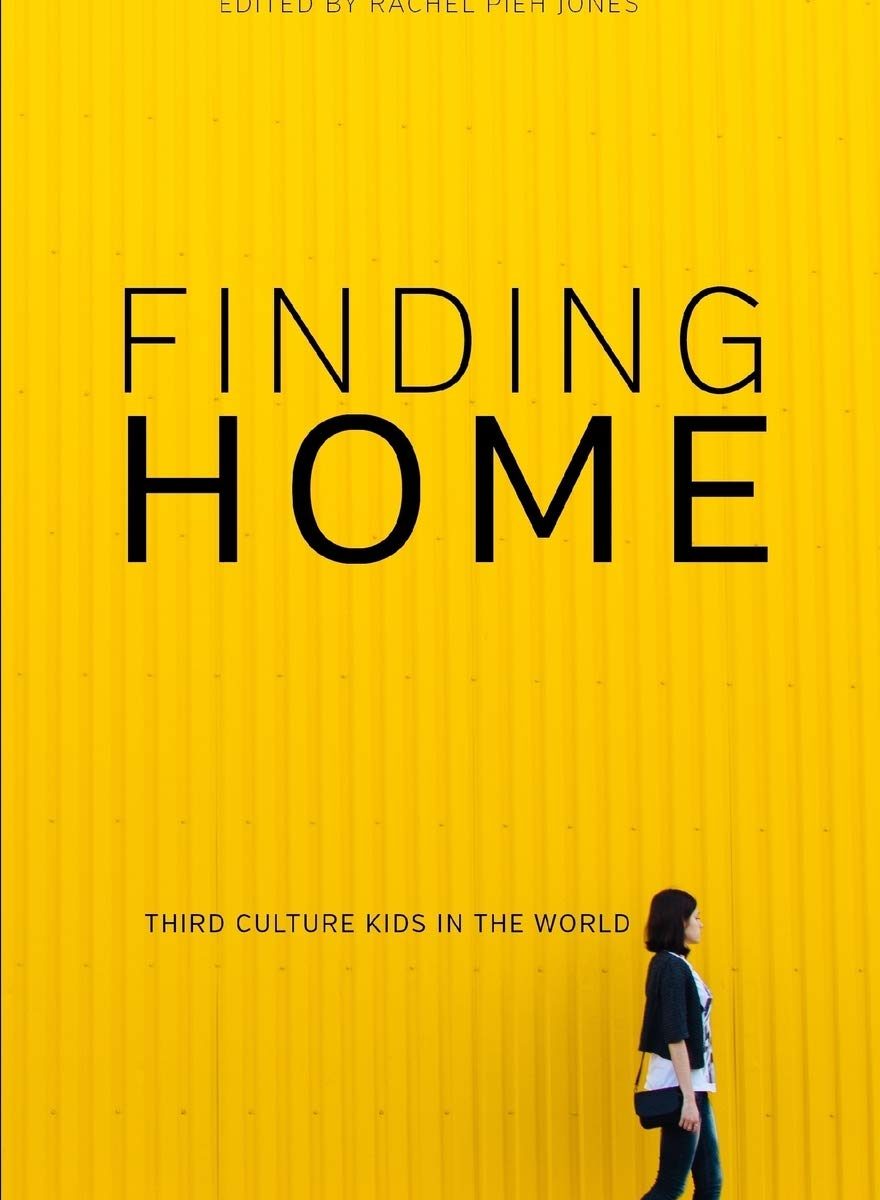
This compilation of essays and blog posts has a refreshing range of topics and authors from differing perspectives. There are some essays from experts like Ruth Van Reken but the majority seem to be from normal TCKs and parents of TCKs, sharing their experiences and insecurities. Rather than giving out facts and advice, the majority of essays are very personal and introduce questions and things to think about rather than answers.
The essays are grouped into these sections:
Discovering Third Culture Kids
Parenting Third Culture Kids
Struggling Third Culture Kids
Transitioning Third Culture Kids
Thriving as Third Culture Kids

This book is rather different from other entries on this site. It’s part autobiographical and part treatise on what it means to belong. Greg Cole’s TCK background of growing up in Indonesia informs his understanding of belonging, since he grew up in a highly mobile community and his third culture-ness makes him different from most “normal” monocultural people. Another large aspect of Cole’s identity that informs his treatise on belonging is his sexual orientation and religion. As a celibate gay Christian, Cole doesn’t fit into the typical stereotypes of the LGBT+or Christian communities. Where does he really belong if he can’t find people who look and think like him? He proposes that similarities are not what tie people to each other, but that we can belong to each other in deeper ways.
I’d recommend this book to MKs and other TCKs who are struggling to “fit in” and find belonging outside the TCK bubble. For those who aren’t Christians, some of the messages about homosexuality may be unwelcome but the main points of the book are not about sexuality or arguing for or against celibacy.

1951: Auf einem Flugplatz in Nigeria klettert die kleine Ruth in ein Flugzeug, das sie in ein Internat bringen wird – weit, weit weg von Papa und Mama, die als Missionare für Gott arbeiten. Und sie weint. Das ist der Auftakt eines verbissenen Kampfes, mit dem sie einen Schmerz niederzukämpfen versucht, der mit jedem Abschied von ihren Lieben tiefer geht und doch so gar nicht zu einem Gotteskind passen will. Jahre später: Ruth führt ein Bilderbuchleben als Missionarsfrau und Mutter. Dennoch leidet sie unter Depressionen, Wutanfällen und bohrender Kritiksucht, so sehr, dass ihr Glaube eines Tages Bankrott anmeldet. Doch dann: „Irgendwie beugte sich Gott zu mir herunter und sagte freundlich: Ruth, ich habe die ganze Zeit darauf gewartet, dass du endlich aufhörst zu kämpfen. Ich möchte dich in die Vergangenheit zurückführen, um dir zu zeigen, wo du Verletzungen erlebt hast. Ich hielt mich an Christus fest und erlebte im Rückblick all die Gefühle, die ich mir nie eingestanden hatte. Und so schrieb ich sie auf, diese Briefe, die ich niemals schrieb.“ Briefe einer Reise hinter den Schmerz, wo Ruth van Reken Heilung fand. Und eine Hoffnung, die allen Menschen gilt, egal unter welcher Art von Verlust oder Verletzung sie leiden.
This is the German edition of “Letters Never Sent” by Ruth Van Reken
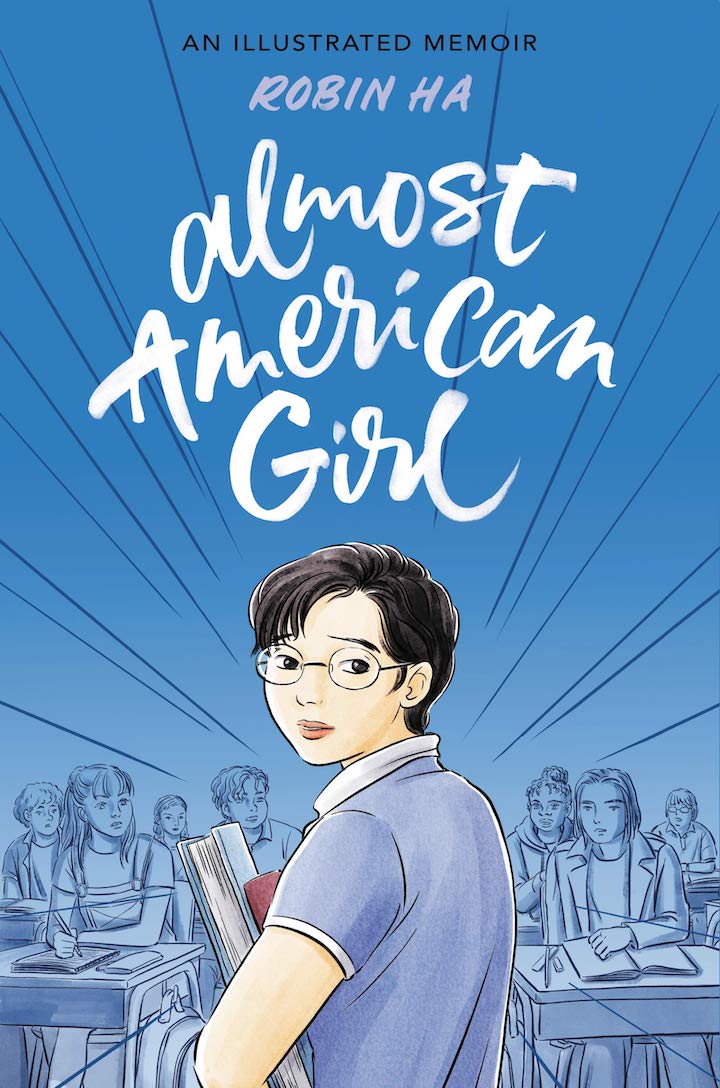
Though more of an immigrant story than a TCK one, Almost American Girl has many strong TCK themes throughout the graphic novel. This true story is told as a memoir in pictures by Korean American author Robin Ha. Robin is suddenly moved to Alabama, USA from Seoul, Korea without even being able to say goodbye to her friends or bring her most precious belongings. She just thought they were going on vacation! Now she has a new step-family who don’t seem to like her and she can’t understand anyone at her new school.
Despite the culture shock, her loneliness and her anger at her mother for suddenly uprooting her, Robin eventually makes friends and finds solace in comics and manga. She gets better at English and is surprised to find so many signatures in her yearbook at the end of the year. But when her mother’s new marriage fails, they move yet again.
In Virginia, Robin finds more international kids like herself and even Korean friends, and finally feels like she belongs. At the end of the book she visits Korea for the first time since she left and realizes that the country she has been longing for doesn’t even feel like home any more. She has changed and so have her old friends in Seoul. “I didn’t exactly fit in Korea or America,” she thinks to herself. And that was okay.