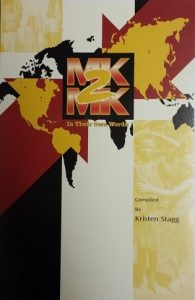
This compilation of essays, poems and letters from adult MKs from around the world shows the heart of missionary kids. The book is divided into 3 sections, all with about the same number of entries:
- Adjusting (with entries like “Furlough,” “Can I Come Home,” and “Alien Planet USA”
- Anecdotes and Adventures (with “To Catch a Plane” and “Lessons from Amazonas”
- Identity ( with “Belonging,” “Pieces of My Heart” and “My Homeland”
This book is difficult to find and I could only locate one seller, in Canada. However, it is a great collection from a broad selection of MK that other MKs can relate to.
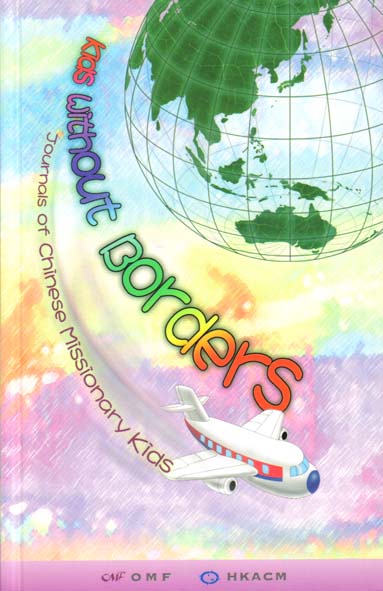
This collection of writings from Asian MKs who have lived all around the world gives insight into the experiences of MKs of all ages. The book is split into three sections: Children, Adolescents and Adults with journal entries from different MKs on a variety of subjects from school to goodbyes to rootedness. Most of the writers have a connection to Hong Kong (where the editor is based) and have at least one Chinese parent but their experiences are varied. Many issues unique to Asian MKs are addressed, like differences in education systems, maintaining Chinese roots, and cultural differences within the family.
This book would be great for Asian TCKs processing their own experiences, Asian missionary parents and those working with Asian MKs. Understanding a TCK perspective other than the Western one is beneficial to all TCK workers, as well.
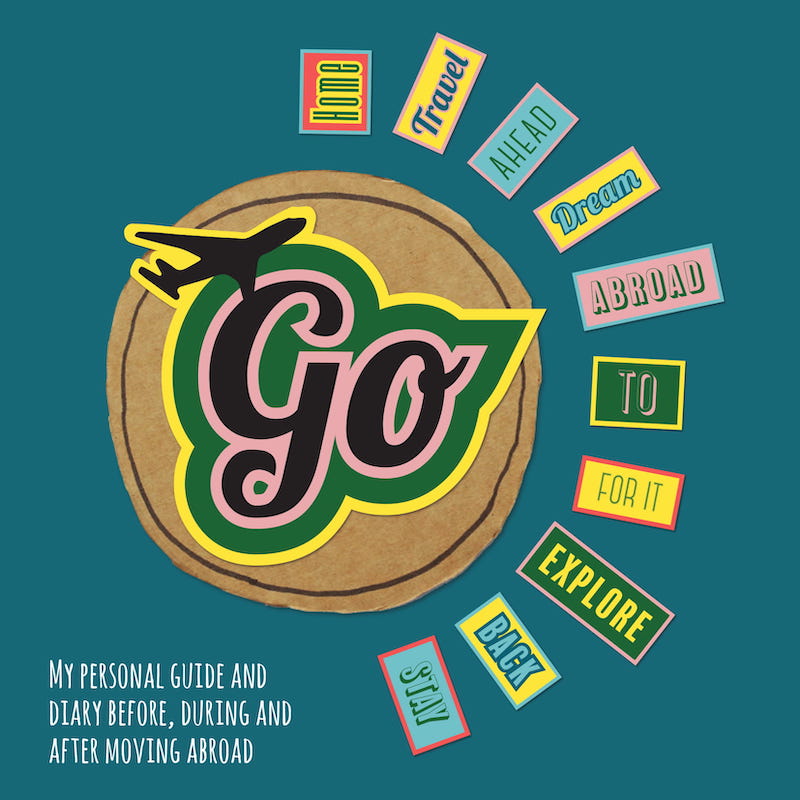
This gorgeous full color workbook for children and adolescents is a delight to look at and just as fun to read. Go! is divided into three sections: pre-field, entering a new country, and re-entry. A TCK can complete the whole book or just the section to applies to them at the time. Younger children will need help with some of the reading and projects, though many activities are drawing and not writing.
Go! helps TCKs to process their emotions (there is a whole page of emotions to choose from), record memories, say goodbye well and learn to make new friends. Parts of it are creative and fun and it is also very deep. I would have loved to have a workbook like this when I was young and I’m still tempted to fill mine out. It ships from Denmark (I believe it’s available in English and Danish) and at the time of writing this isn’t available on Amazon so be sure to allow time for it to arrive if you aren’t ordering within Europe. Order it here.
Reading level: age 6-13
Not to be confused with the 2001 movie of the same name, this film is set in the 1950s, loosely a story of a French diplomatic family in colonial Africa. France Dalens returns to Cameroon as a young adult, and finds herself recalling her childhood living there at a remote outpost. With her parents emotionally distant and preoccupied, her closest friend is the regally handsome houseboy, Protee. As an assortment of Europeans pass through the station staying for extended periods, tension builds in the home. When the advances of France’s lonely mother are rebuffed by Protee, France’s friendship with him is altered as well. This movie is somewhat incohesive and the parts about France as an adult seemed to lack depth or significance (this may reflect a difference in style between American and French filmmaking). Nevertheless, most TCKs would enjoy this portrait of a foreign childhood.
Rated: PG-13
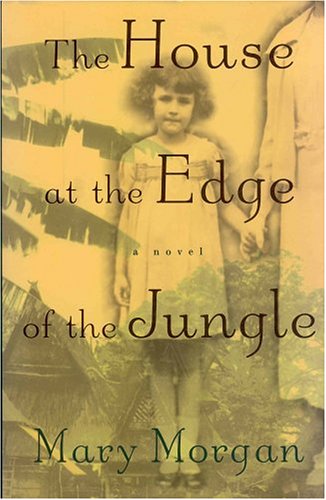
Isabel and her brother Victor were born in Malaya but not long after put hastily onto a ship just ahead of the invading Japanese army and taken from the only home they’d known to be raised in England with an elderly aunt. Victor was just a baby, but Isabel mourned the parents and beloved amah who were left behind and never seen again. The book is set in 1973 when Victor, now a rather dull adult, invites the sentimental Isabel to go to Kuala Lumpur with him on a business trip. Defying her stiff and conventional husband, she agrees, giddy with anticipation of revisiting their childhood home and learning more about the fate of their parents, especially the mother, who she vaguely remembers disappeared shortly after Victor’s birth, leaving the children in the care of their father, and later, a kind stepmother. Victor disapproves of her “obsession”, wanting to leave the past buried. But even he is drawn in as they begin to learn more from one of his colleagues who had met their parents. Isabel is drawn to Malaysia – a country both familiar and unfamiliar – and to her brother’s colleague, Oliver, who helps her unravel the story of her family. This book has enough accurate descriptions of the area to delight those familiar with the country, and it touches on some of the emotions of returning to a childhood home after being away many years and finding oneself torn between a deep sense of belonging and a feeling of displacement.
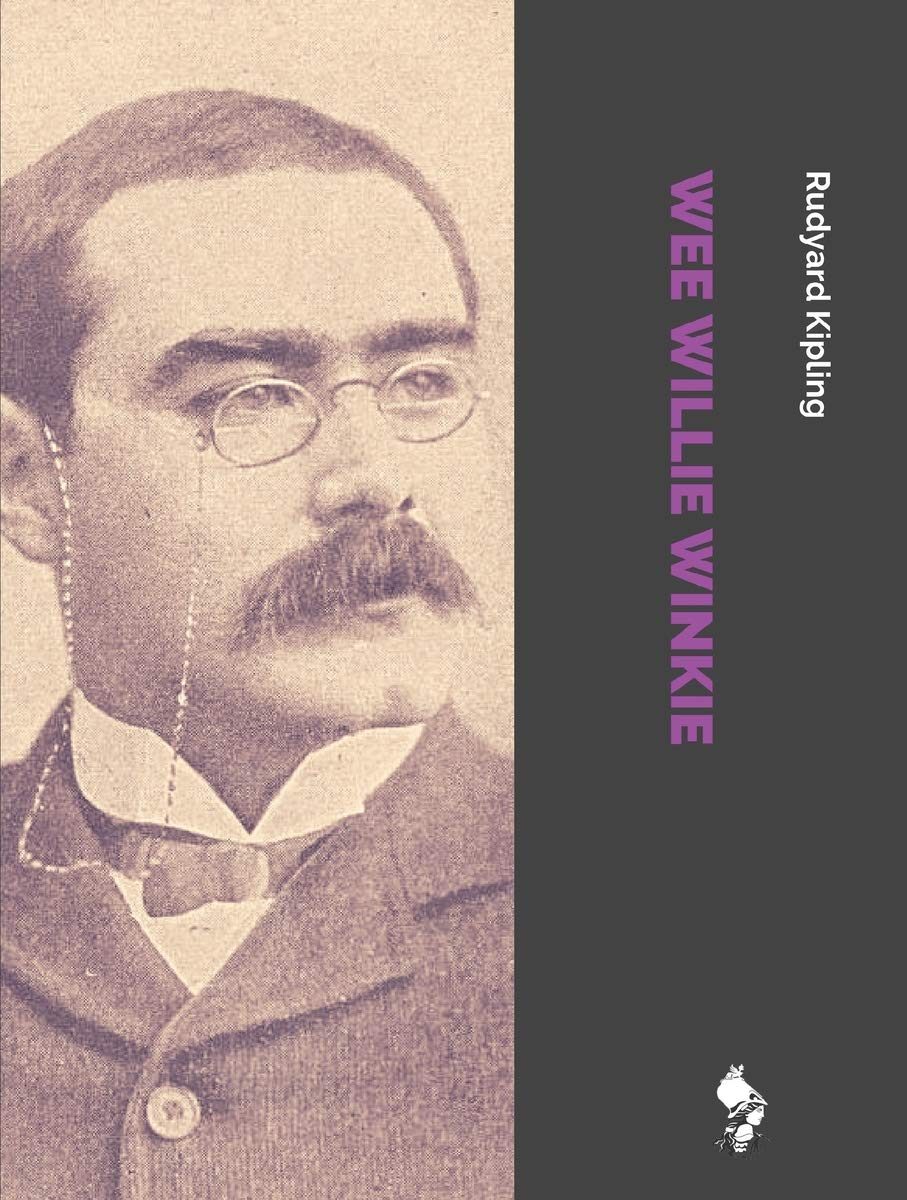
Rudyard Kipling is a controversial figure in today’s TCK world – a TCK from colonial times who wrote things that reflected the British mindset of the time, as well as things that were, for that era, remarkably counter-cultural and Progressive. For their historical value, we include from one short story collection, these three stories in which the protagonists are young British children raised in India.
Baa, Baa, Black Sheep – Two young children (ages 5 and 3 years), are brought back from India to England to stay for 5 years until their beloved parents can return to them. The heart-wrenching description of the bereft children’s misery when they realize their parents are gone hints that this story is probably based on Kipling’s own experience being left with a strict caretaker in England who had no understanding of his former life in India.
Wee Willie Winkie – Willie, the precocious, little son of a Colonel in British India stands up to some ruffians intent on harming the young fiancée of an officer who Willie idolizes, after she strays into their territory. The Shirley Temple movie of this name was adapted from this story.
His Majesty the King – A little English boy in India has the affection of his nanny and his playmate’s kind mother, but longs for his own, preoccupied parents to pay attention to him.