
Ob in der Auslands-Niederlassung einer Firma, einer Missionsstation oder einer diplomatischen Vertretung – jährlich steigt die Zahl der Kinder, die in unterschiedlichen Kulturkreisen aufwachsen. Authentisch und sorgfältig recherchiert beschreibt dieses Buch, was das Leben dieser sogenannten ‘Third Culture Kids’ ausmacht, welchen besonderen Problemen sie begegnen und welche speziellen Chancen sich ihnen eröffnen. Denn unmittelbarer als ihre Altersgenossen lernen diese Kinder sowohl die Freuden des Entdeckens als auch die Erfahrungen schmerzhaften Verlustes kennen. Es gelten andere Gesetze für ihren Reifungsprozess, sie gehen andere Wege auf der Suche nach ihrer Identität und sie sind herausgefordert, jenseits aller Ortswechsel eine Heimat zu finden. In Interviews, Gedichten und Berichten lassen Pollock und Van Reken die TCKs zu Wort kommen. Aus ihren Zeugnissen arbeiten sie die charakterlichen und emotionalen Grundstrukturen heraus, die Kinder mit diesem Hintergrund in der Mehrzahl entwickeln.
This is the German edition of THIRD CULTURE KIDS by David Pollock & Ruth Van Reken
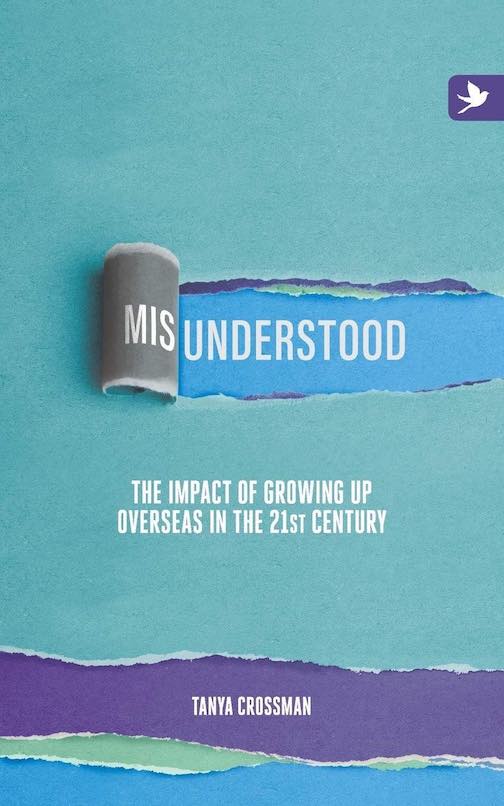
Misunderstood is a decent introductory book for those looking to better understand TCKs, written for TCKs themselves, parents, and those who care for TCKs (like counselors or those who work for the parents’ organizations). It goes into detail about the different types of TCKs (like military brats, missionary kids, etc.) and the pros and cons of different schooling options while outside your passport country.
The book is based on interviews that the author has conducted on a large sample of TCKs and included many quotes and stories to accompany each section. While this lends credibility to her book, it can also be misleading.
Being a TCK caregiver, I know many TCKs who would disagree with the generalizations that she makes. It seems she interviewed TCKs who identify strongly with their overseas experiences and have struggled in adapting to their passport cultures. She said every TCK she interviewed claimed reentry was “a particularly difficult experience” (pg. 211). I know several TCKs who would disagree and say the experience was not very difficult for them. Many TCKs adapt well to their passport culture and do not strongly identify with being a TCK, though these are probably the TCKs least likely to volunteer to be interviewed about TCK experiences.
So while the book as a whole is a good summary of TCK experiences in general, one has to keep in mind that her interview sample was likely skewed and many TCKs would say her generalizations about TCK beliefs and experiences do not fit them.