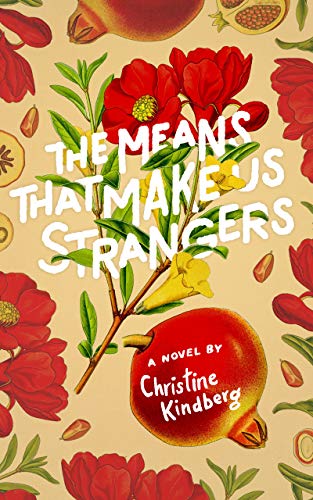
This novel follows Adelaide, who has lived her whole life in a small Ethiopian village with her anthropologist father, disengaged mother and two younger sisters. When she’s told that her family is moving to South Carolina you can’t help but cringe in thinking about this naive village girl leaving her village for the first time. Adelaide isn’t excited about it either and vows to come back and marry her childhood sweetheart.
Most of the story follows Adelaide’s friendship with the African American students who have enrolled in her white school. It’s 1964 in the South of the US and racial tensions are high. No one can understand why a white girl is friends with the black students and Adelaide can’t understand why it’s such a big deal since she has always been friends with black Africans.
This TCK novel follows some typical themes of culture shock and reentry which were rather extreme for Adelaide as she is basically as sheltered as someone can be. I also loved how Kindberg looked at racism and how white expats can be embracing of other cultures overseas and racist in their own countries. The end of the story also shows how difficult and different it can be to go back to where we grow up as an adult and realize we don’t fit like we used to.
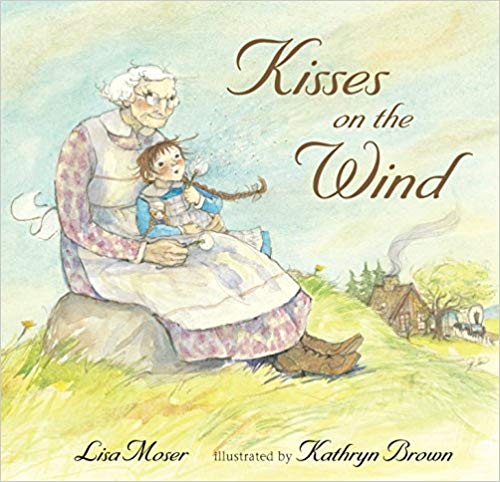
Set in the US in the days of the pioneers, this story, full of sorrow, tenderness and wisdom, is perfect for TCKs who face moving far from loved ones.
Lydia’s parents are packing the covered wagon that will take them to Oregon, a thousand miles away from all she’s ever known, and heartbroken Lydia just “can’t say goodbye to grandma.”
Lydia finds Grandma swinging on her swing and “picturing” – recalling memories of the good times they shared together. And thus begins a gentle, deliberate process of leave-taking guided by Lydia’s wise and comforting Grandma. Together they run and play, laughing and recalling their memories of this place and of each other. When sadness comes, Lydia puts her head on Grandma’s lap and cries until she runs out of tears. When it comes time to part, Grandma gives Lydia a gift that will soothe homesickness, and sends her on her way with “kisses on the wind” that they can exchange across any distance.
Disguised as a story, this book illustrates describes some extremely helpful ways to say goodbye well and ease the pain of “missing” when children separate from beloved family or friends. (But good luck reading it to your children without getting choked up).
Reading level: 3 to 7 years
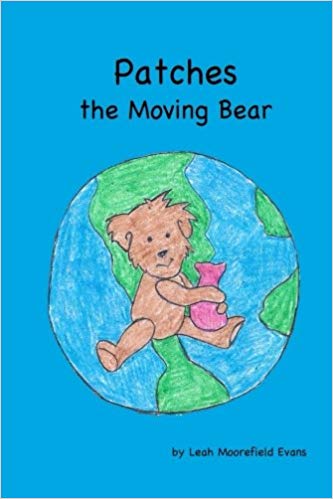
I HIGHLY recommend this small book for children who are moving to a new location, especially one far away. It gives wise advice presented through the story of Patches, a teddy bear who moves frequently (so far, he has lived in Russia, Ecuador, Ukraine, and Paraguay).
The story isn’t so much about the process of moving as it is about how to say goodbye to a place, and how to carry your memories and use them to comfort yourself when you are homesick for your previous home(s). It closes with a question that will help young readers think about their own plan for saying goodbye – perhaps by trying some of Patches’ strategies. The practical ideas illustrated in this small book are based on sound psychology. Young readers who follow Patches’ example will be better prepared to settle into their new homes because they’ve said goodbyes well to their last one.
Unlike most children’s stories about moving which assume a move within the same country, both the story and the illustrations in this this book make it clear that Patches is making an international move. That makes it especially relevant for young Third Culture Kids moving internationally with their expat parents.
While the book is written for children, its advice would be of value to TCKs moving at any age – even as adults!
Reading level: 3 to 7 years
Little Adelina loves to help her father repair airplanes. When her family decides to move to the jungle to be missionary pilots, she has to say goodbye to all the people, places & things she knows & loves. When fear sets in, she finds comfort in her beloved Aviator Bear, and strength in God who gives her “courage bigger than the sky” so she can boldly set out on her new adventure.
This wonderful book for missionary kids has appealing illustrations & a sweet story. The twist at the end brought tears to my eyes.
Reading level: 3 to 7 years
At over 100 pages, this is one of the most comprehensive workbooks for children preparing to move abroad, and for years it was my favorite workbook for kids preparing to move overseas.
In the book, Ori, the migrating crane, guides children through learning activities balanced with fun crafts & games & color-able illustrations.
Like most kid workbooks on moving, it has the standard “about me,” preparing to move, and feelings about moving sections, though this workbook covers those topics more thoroughly than most. But for TCKs-to-be, it also has a long section about “my new country” that prompts kids to find out key things about their new location beforehand. After kids move, there are several pages of suggestions and activities to help them adjust to the new place, ending at last with a “Migrating Bird Certificate” of accomplishment for completing the cross-cultural move. But the book doesn’t end there! It also includes a section for repatriation at the end of the overseas stay.
Ages 8-12 years
This workbook is also available in German.
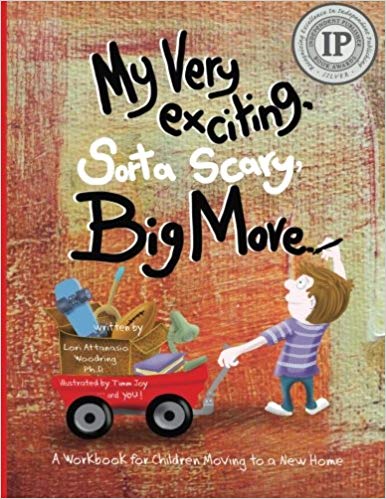
Though not written specifically about moving overseas, this book does an excellent job addressing kids’ feelings about moving. In full-color with adorable illustrations, it begins by explaining change and goes on to teach kid-friendly strategies for handling emotions like sadness, anger & worry using behavioral therapy techniques. Kids are given ways to try these out and encouraged to put their favorites into their “Sad Sack” “Mad Sack” and “Worry Sack” to pull out when needed. The book also does a good job helping kids say goodbye well, and covers some parts of settling in.
The content is relevant to a broad age range from young children through teens, but the format makes it best suited to elementary kids. Younger children will need parents to assist with the reading. While teens would likely consider this too childish, those with younger siblings could benefit from the strategies it teaches. Parents could orchestrate this by going through the book as a whole family “for the sake of the younger kids.”
Reading level: 6-10 years