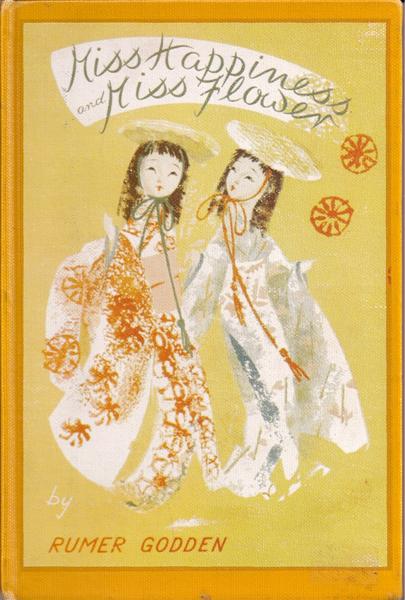
Nona, who was raised by her Ayah on her father’s tea estate in India, is sent back England to live with relatives at age eight. Given no choice in the matter, she feels very out of place in the new country. She dresses and talks differently, likes different things, and finds life in the city frighteningly fast-paced. Her older cousins are kind, but her younger cousin, jealous of the attention Nona was given, teases Nona and makes it harder for her to fit in. Then Great-Aunt Lucy sends two Japanese dolls from America, and as Nona works to make the two dolls from a foreign land feel comfortable, she finds herself making friends and adjusting to her new life, as well. The story is followed by detailed instructions for making a Japanese dollhouse, the project Nona and her cousins undertake in the book.
(NOTE: For those who want to read about further adventures of the girls and their Japanese dolls, Little Plum (1962) is a sequel. In this second book, however, Nona is well-adjusted to life in England and the focus is more on Nona’s cousin, Belinda, so it is not included on this website as a TCK book.)
Reading level: age 8-11 years
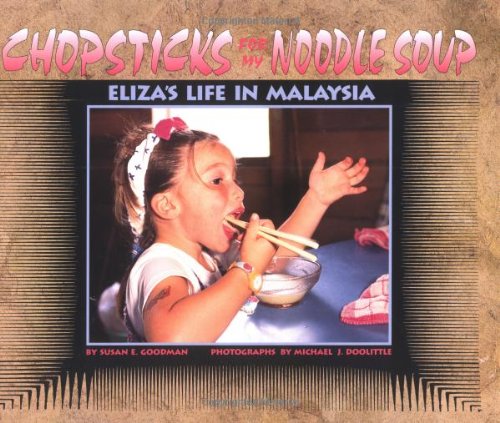
More a photo book than a picture book, this sweet story follows the life of 5 year old Eliza as she adapts to life in a remote Malaysian village. She boils ants out of her water, adventures through the jungle and pees in a squatty potty (don’t worry there aren’t pictures of specifically that). She discovers some things that she loves – like the candies at school – and others that frustrate her – like the way everyone touches her blonde hair.
Though this is an older book, I would recommend it to families with young children moving to remote areas to help prepare their kids for some of the rougher aspects of village life that are still applicable today. It can also get them excited for the unique joys of living somewhere unconventional. Kids already living far from paved roads could relate to Eliza’s story.
Reading level: age 4-8 years
A compilation of essays on TCKs’ overseas and re-entry experiences written by some of the best known individuals in this field, this book is unlike other compilations on our website because these are not articles that have not been published elsewhere but essays written specifically for this book. It includes useful advice for parents seeking to help their children (especially teenagers) cope with the experience of returning to the U.S., a country often more
foreign to them than the host country. The chapter on “Religious Culture Shock” by Ruth Van Reken (an MK) will be of particular interest to missionary families.
Peanut Butter Friends in a Chop Suey World is a fictional story about Amy Kramer’s first months in Taiwan. The sixth-grader has moved there with her family so her parents can begin missionary work, and she is eager to make some real Chinese friends. When the neighbor girls just giggle when she tries to greet them in her halting Mandarin, she turns instead to her “peanut butter” friends at the Taichung American School – American or international kids who are more like her. When she tries to be kind to the class outcast, though, she finds herself shunned even at school and has to make some hard choices and remind herself of what she came to Taiwan for in the first place.
Reading level: age 9 to 12 years
Written by brothers who grew up as third-culture kids in various countries, this book is written to and for teens moving overseas. It addresses moving, school/education issues, culture shock, life overseas, and reentry. Most of the topics it covers are more applicable to TCKs from diplomatic or business families and those in a high socio-economic class. It is the only book of its kind, and much of it is relevant especially to those who will be living in cities with an established international/expatriate community. With stories from TCKs all over the world and advice from experts on international moves as well, this text is great resource.
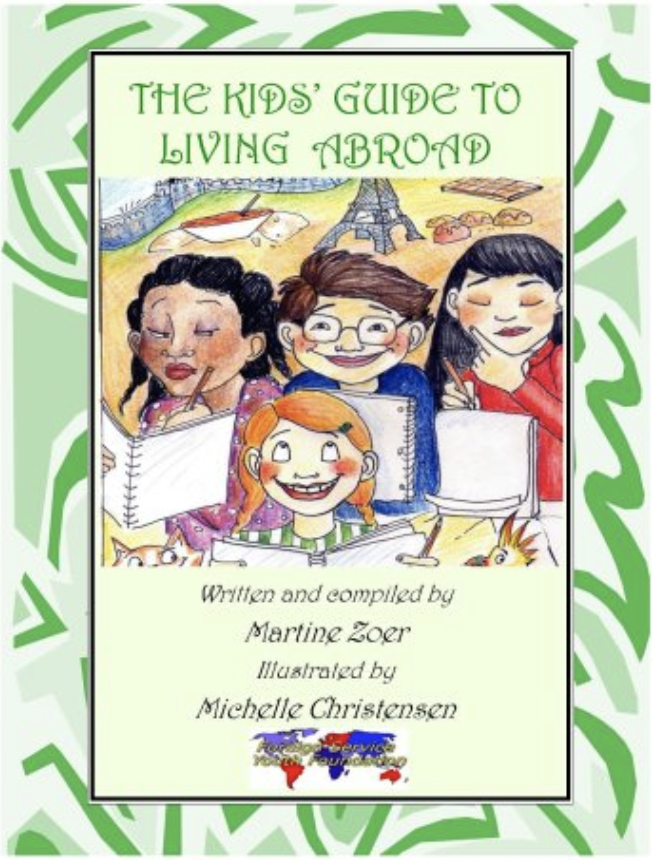
This excellent book for children has sections (5 chapters each) about preparing to move; moving; exploring the new culture; settling in; dealing with “the realities”; and moving on. In each chapter expat kids, ages 8-13, share their own experiences, then the author answers common questions & closes with a “Real Life Tip.” “The Kids’ Guide to Living Abroad” is relevant for elementary/primary students and above.
Kids and parents can read each chapter as it becomes relevant rather than all at once and sections can be skipped if they don’t apply. A lot of ground is covered!
Reading level: age 8 to 12 years