This documentary explores the unique challenges of growing up as a military BRAT, including rapid transitions that doesn’t allow you to fully adjust to any one culture, formation by the military subculture that is unlike that of any specific country, and the impact this has one’s adult life outside of that environment. It consists of multiple interviews with people from several different countries, and footage from post-war Germany and Japan.
Naomi is a 12-year old Canadian girl who is forced to move to a small northern town in Japan and no one asked her if she wanted to go. She left behind her friends and her beloved grandparents and her dog Billy and she is not happy about it. Everything is strange in Japan and she’s seen as a strange outsider, not even able to read or communicate at first.
Gradually, Naomi begins to learn about Japanese festivals and foods and customs. She becomes friends with Midori, a Japanese girl her age who used to live in the US. And from there Naomi’s world begins to open up even more and she learns to love Japan and the people in her village. As she learns about her new home, the readers also get to learn about the language, writing and history of Japan. It’s a sweet, calming read and I was sad to put the book down.
This is the first book in a trilogy.
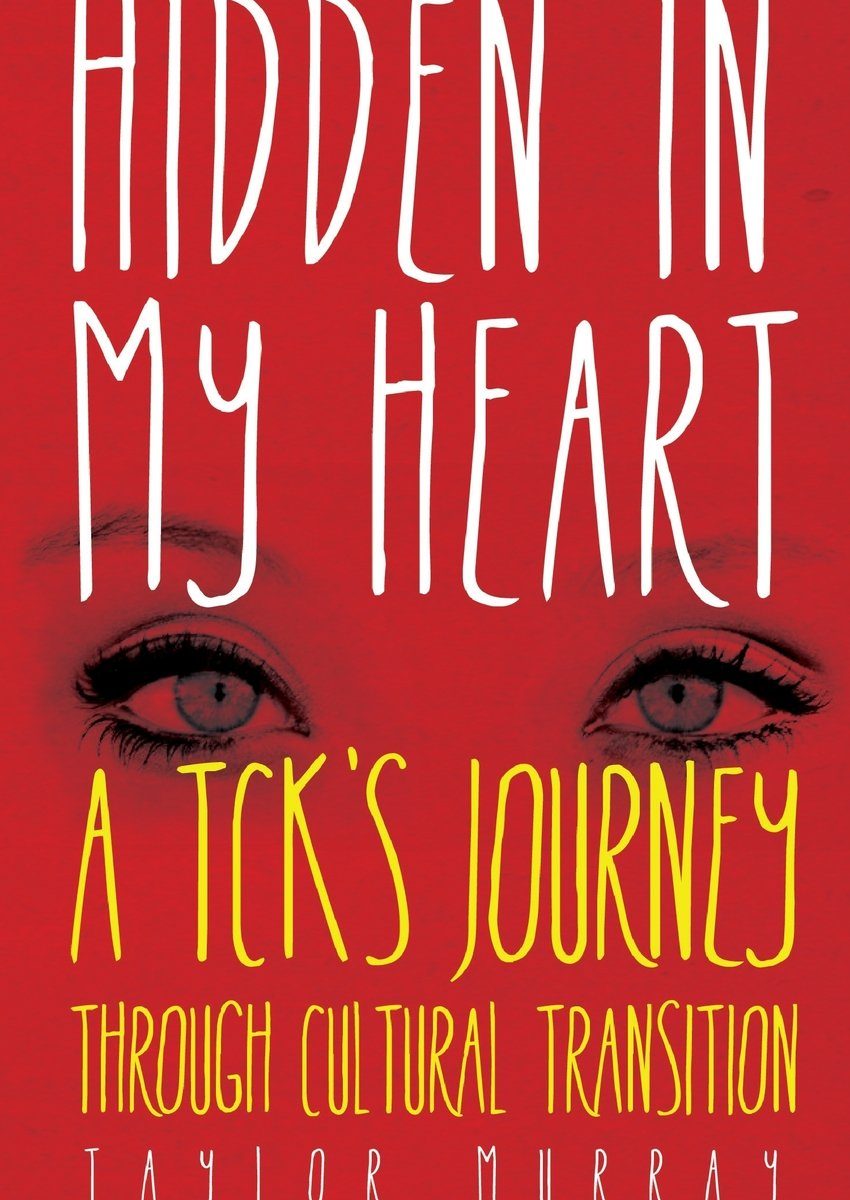
In a series of very vulnerable journal entries, 14-year-old Taylor processes her emotions of her transition to Japan when she was 9 and the difficulties and joys of life there. While on home assignment in the US, Taylor finally let herself grieve losses and name her emotions. The book is split into 2 sections: the first part is focused on her pain and in the second is able to see the joys in her experiences.
It can be hard to read about her loneliness and how desperately she wanted to fit in with the Japanese people around her. I just wanted to give her a big hug (but I don’t know her and that would be weird!). Seeing how God put caring people in her life even when she couldn’t recognize them as blessings is encouraging and a reminder that God is with all of us in our grief and transition and language learning and every difficulty.
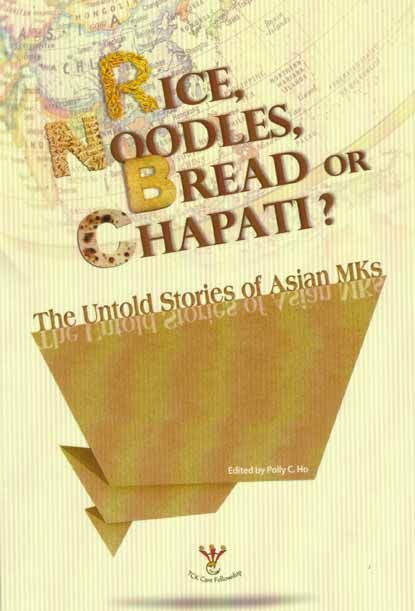
“The MKs of Asian missionaries have been unwittingly neglected, because many of us Asians felt that we should sacrifice ourselves and our family for the Lord and our ministry.”
This sad truth of the history of neglect of Asian MKs is addressed in this book with suggestions for how to change the patterns that have begun. With a look at the personal stories of Asian MKs and the development of better MK care, there is hope in the unfinished stories told. With fun anecdotes as well as a deeper look at finding identity in Christ, this is a wonderful book not only for Asian MKs but for all MKs and those who care about them.
This book has five parts:
- Biblical Sharing on MK Care
- MK Stories
- Development of MK Care
- MKs in MK Care
- MKs Advocating for MKs
I was unable to find an online seller of this book but you can contact the publisher at tck.sgp@gmail.com and they may be able to help you find a copy. If someone finds an online seller of this book, please let me know and I will add it here.
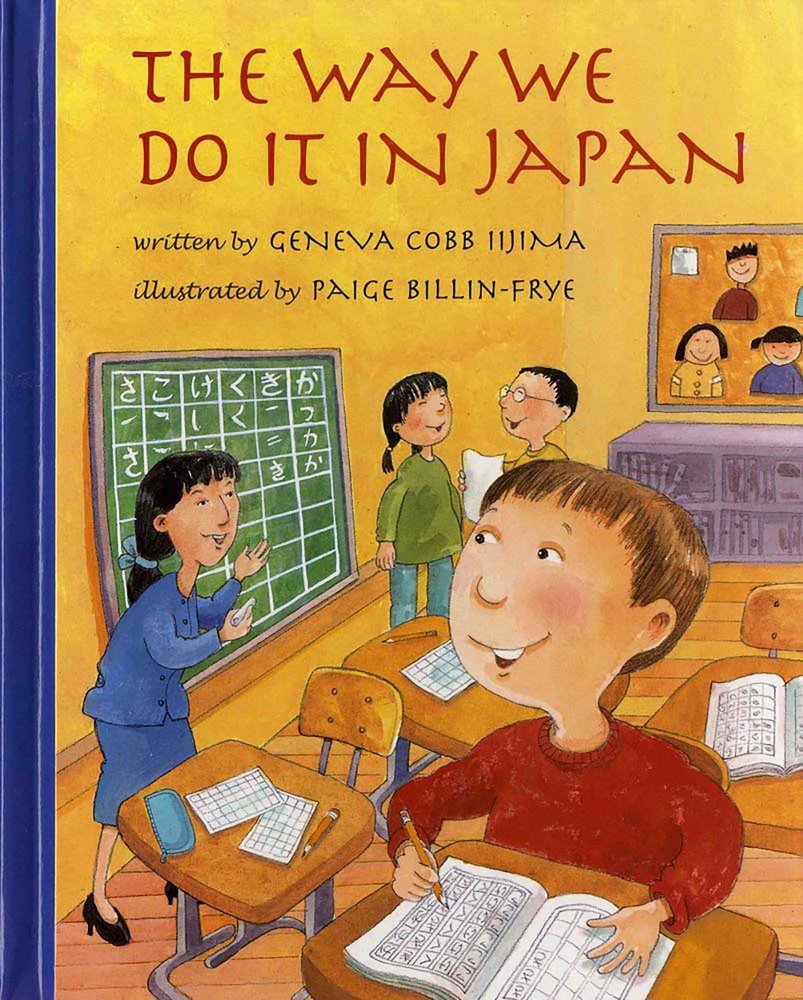
Gregory’s dad comes home from work one day and announces that they’re all moving to Japan! Even before leaving their home, the family begins to learn Japanese and how to eat with chopsticks. Everything is different for Gregory in his new home and new school but he tries his best to learn all about the way things are done in Japan. Even without speaking the same language as his classmates, he finds ways to make friends and tries to fit in and is surprised to find out in the end that his classmates are adapting to him too.
Reading level: age 4 to 8 years
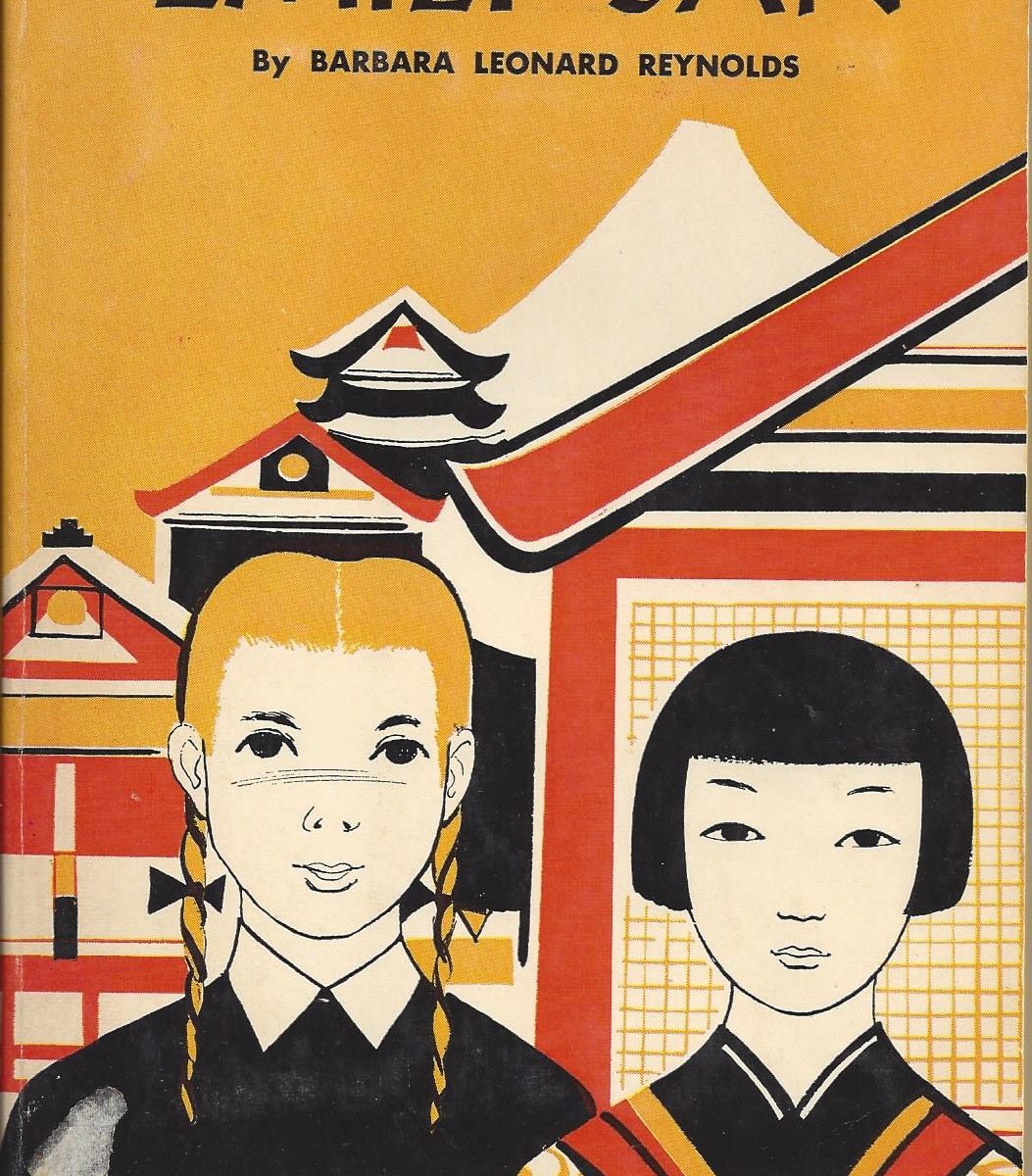
Emily’s family moves from the US to Japan where her father is in charge of the small American school. In spite of her homesickness, she begins to make new friends and explore Japanese culture, and gradually she helps the other American kids in her school discover that it’s fun to learn about their overseas home, too. This book is set right after WWII and shows how Emily overcomes her fear of Japan and that people from both places can learn a lot about each other.
Reading level: age 8-12 years