A historical novel set in turn-of-the-century India, The Far Pavilions follows the life of Ash, a British child raised as an Indian by his foster mother, until he is returned to England as an adolescent. His subsequent struggles to recapture his sense of belonging when he returns to India as a British officer are woven into the saga with romance, war, princesses, misunderstandings and clashes of cultures in British-ruled India. The author M.M. Kaye grew up in India during the era of the British Raj and draws on her own experiences.
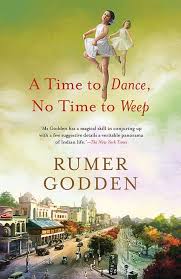
This is the first volume of Rumer Godden’s autobiography. She was born in England but moved to India when she was a baby, where she lived half her life. This book covers the years 1907-1946 and tells the story of Godden’s enchanting childhood in India as a TCK, her marriage to a charming but unreliable stockbroker, her life after his abandonment having to raise two children poor and alone, and finally the publication and success of her early novels. A Time to Laugh, No Time to Weep shows Rumer Godden’s understanding of loss, suffering and withstanding long endurance.
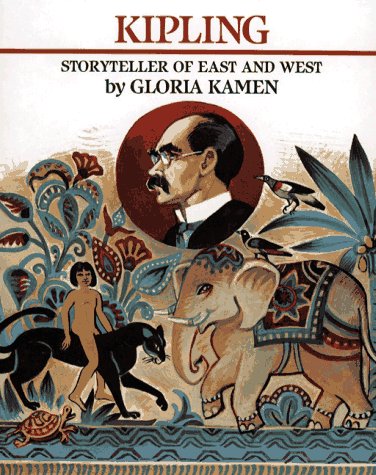
In simple language, the author tells the true story of Rudyard Kipling, who spent his early childhood in India, and returned there after completing his education in England. Because his ayah and servant told him (in Hindi) about their views of the world and of religion, Kipling struggled when he was left in England with a family who allowed no questions about their way of doing things. This story focuses mostly on Kipling’s childhood and young adulthood.
Reading level: age 9-12 years
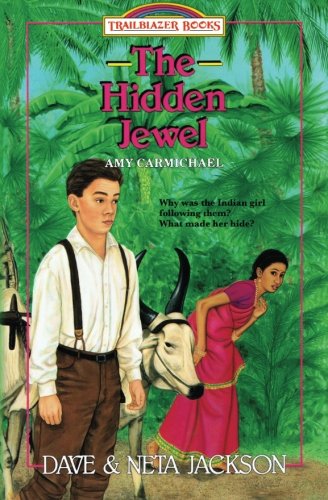
John Knight and his parents arrive in India where his father has been appointed junior magistrate in the Tinnevelly District. There John and his mother befriend Amy Carmichael who is involved in rescuing and caring for young girls sold as temple prostitutes (described vaguely as “the evil practices of the Hindu temples”). John and his mother become involved in the case of a 12-year old who has come to seek refuge from her uncle who has arranged her marriage to a 50-year old friend so he can gain control of her large inheritance. Unlike the boys in his British-run boarding school, John loves India and its people and learns Tamil to prepare himself to return as an adult to become an advocate for the poorest people of the country. His language skills become invaluable later when he is asked to help the girl one last time.
This book is part of the Trailblazer series that tells about famous Christians (mostly missionaries) through the eyes of children who come in contact with them.
Reading level: age 8-12 years
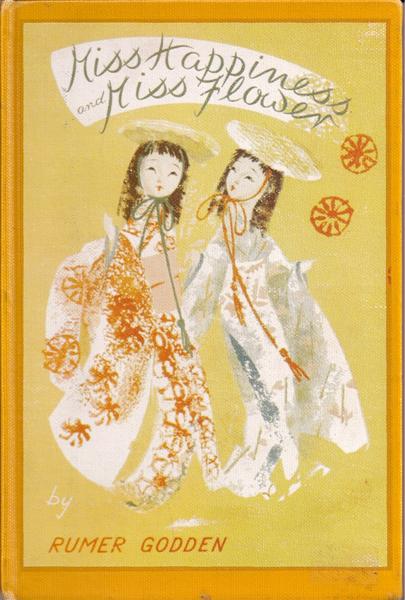
Nona, who was raised by her Ayah on her father’s tea estate in India, is sent back England to live with relatives at age eight. Given no choice in the matter, she feels very out of place in the new country. She dresses and talks differently, likes different things, and finds life in the city frighteningly fast-paced. Her older cousins are kind, but her younger cousin, jealous of the attention Nona was given, teases Nona and makes it harder for her to fit in. Then Great-Aunt Lucy sends two Japanese dolls from America, and as Nona works to make the two dolls from a foreign land feel comfortable, she finds herself making friends and adjusting to her new life, as well. The story is followed by detailed instructions for making a Japanese dollhouse, the project Nona and her cousins undertake in the book.
(NOTE: For those who want to read about further adventures of the girls and their Japanese dolls, Little Plum (1962) is a sequel. In this second book, however, Nona is well-adjusted to life in England and the focus is more on Nona’s cousin, Belinda, so it is not included on this website as a TCK book.)
Reading level: age 8-11 years