Channe Willis, daughter of a successful American novelist, enjoys her carefree childhood in France until her parents adopt a French boy exactly her age. Her resentment of him and cruel treatment of him makes their relationship turbulent. When her father’s illness causes the family return to the United States during her mid-teens, she and her brother struggle to find their places. It is not until adulthood that they learn to love and respect each other and Channe begins to confront the ghosts of that long-ago sibling rivalry.
Channe’s parents have a very liberal parenting style, and some of their responses to her behavior may offend some people (as may some of Channe’s behavior). However, many of Channe’s experiences as a child, and even as an adolescent searching for love in a new, unfamiliar country, will resonate with TCKs.
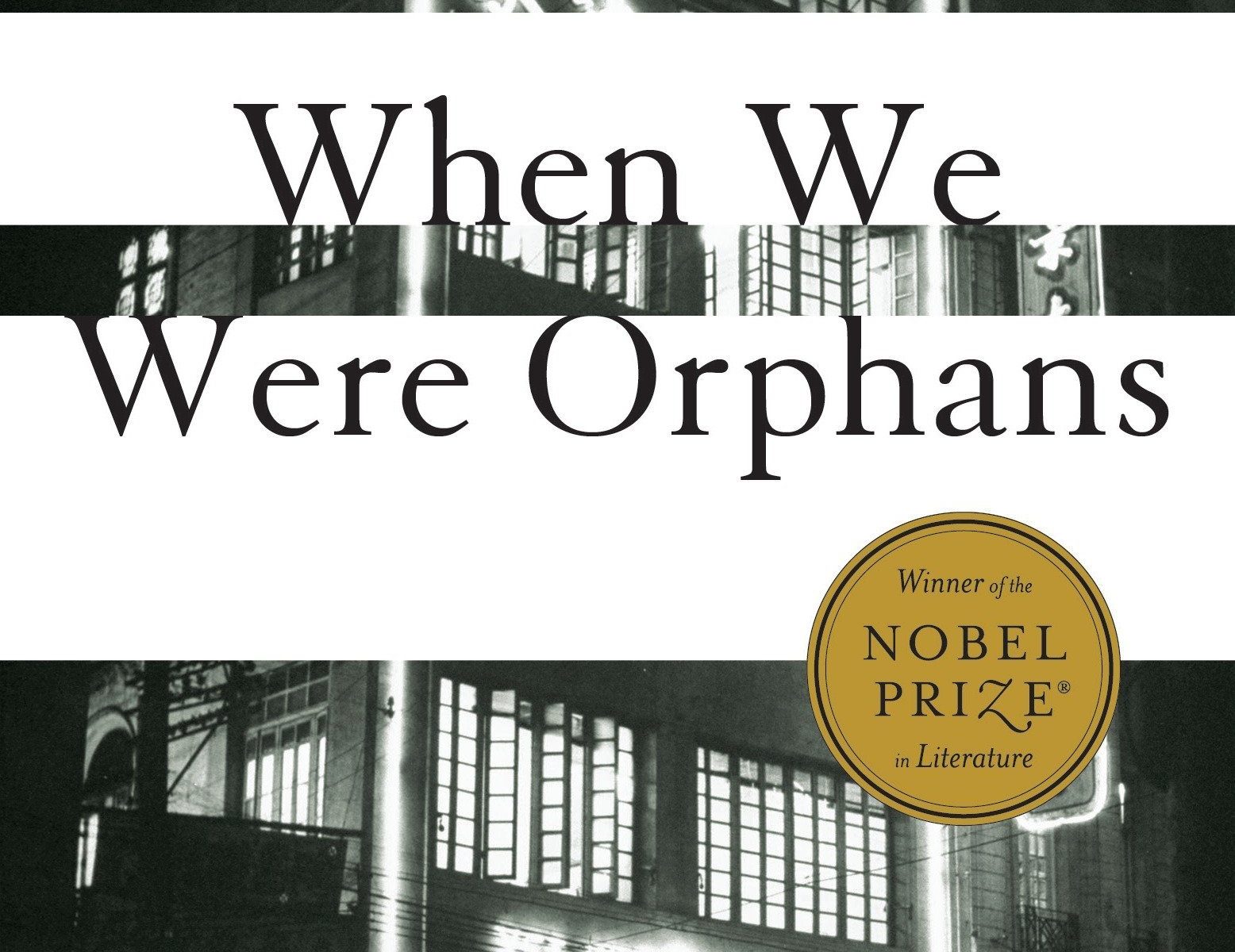
Christopher Banks, an English boy born in the early 1900s in Shanghai, is taken back to England as an orphan when first his father, then his mother disappear under mysterious circumstances. After he grows up to become a renowned detective in England, he returns to Shanghai to solve his parents’ disappearances, just as China’s war with the Japanese is heating up. Written in first person, Christopher’s early reminiscences about his childhood, and especially about his friendship with the Japanese neighbor boy touch on some familiar TCK experiences. But the experiences of the adult Christopher are surreal and the tone of the book changes as he ventures into a war zone trying to locate his parents, his judgement and perceptions distorted as he loses touch with reality. Although the mystery is resolved in the end, the experiences of the adult Christopher will not probably strike any chords with anyone who has not experienced a complete break with reality. Nevertheless, a well-written book by a talented author who personally experienced moving between countries as a child.
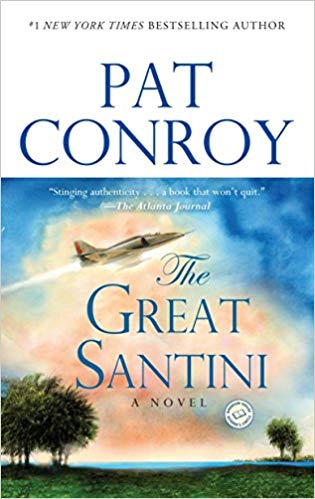
This semi-autobiographical novel tells the story of the family of Bull Meecham, a Marine fighter pilot who runs his family with the strictness of a drill instructor shaping up a bunch of recruits. This book focuses mostly on the relationship between Bull and his eldest children. Ben, the first-born, is an athlete who can’t seem to please his father. Mary Ann, the second child, fights back against her father and the world with her biting sarcasm and charade of invincibility. This family illustrates many of the wrong ways to raise children, yet the love of the parents for their children is also evident. Many TCKs will identify with the four children’s varied responses to moving almost every year and having to repeatedly make friends in new schools.
Note: There are a lot of coarse jokes and sexual references in this book in the context of Marines or adolescent boys joking about these subjects.
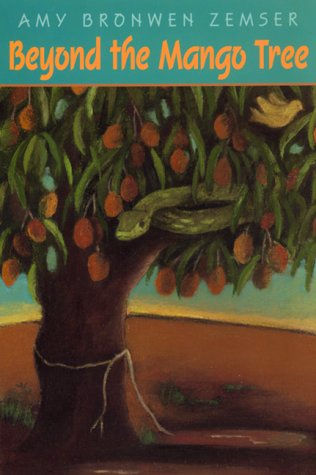
If you are looking for a light, uplifting book, this is not the one to choose. While beautifully-written, it is a sad, even tragic, story about Sarina, a 12-year old American girl living in Liberia. Sarina’s father, busy with his business responsibilities in other parts of the country, leaves her alone to care for her mother, a woman whose severe diabetes leaves her both physically frail and emotionally unstable. Fearful of losing her daughter, Sarina’s mother ties Sarina to the mango tree in their yard. When the lonely Sarina meets Boima, a young Liberian boy, she keeps their friendship a secret for fear her mother will prevent her from seeing him. Through their friendship she learns about the Liberian life beyond her own yard – both its joys and its tragic sorrows. Although the book is labeled as being for age 10 and up, its content seems more appropriate for slightly older readers.
Reading level: age 11-14 years
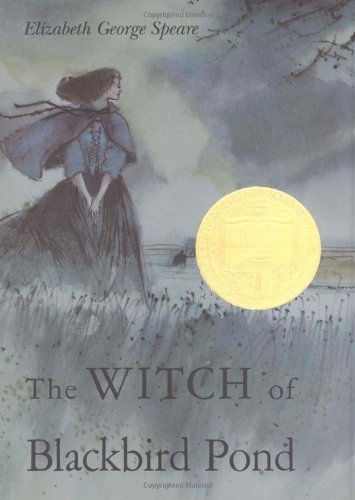
This story, often used in classrooms in the U.S., is actually about a TCK from the 1700s. Kit leads an idyllic life on her grandfather’s plantation in Barbados. His death, however, forces her to set out for the colonies to find her mother’s sister, always described as beautiful and carefree. She arrives unannounced in the bleak New England settlement, and struggles to fit into the household run by her stern, Puritan uncle and meek, though gentle, aunt. Accustomed to having slaves to care for her, Kit has difficulty learning the tasks required to keep a home running, and she often feels lonely and misunderstood.
By chance she discovers an old woman, shunned by the community for her Quaker faith, and in this new friend Kit finds a soulmate. Although the book is written in third person, its tone evolves as Kit adjusts to her new life. Extremely harsh in its presentation of Puritan life in the early parts of the book, it softens later on as Kit is able to understand and even enjoy aspects of her life in the colonies. Though ultimately she finds herself drawn to a broader life than she finds in the tiny settlement, she is able to appreciate its good points as well, giving her the ability be comfortable in either world.
Reading level: age 11-14 years
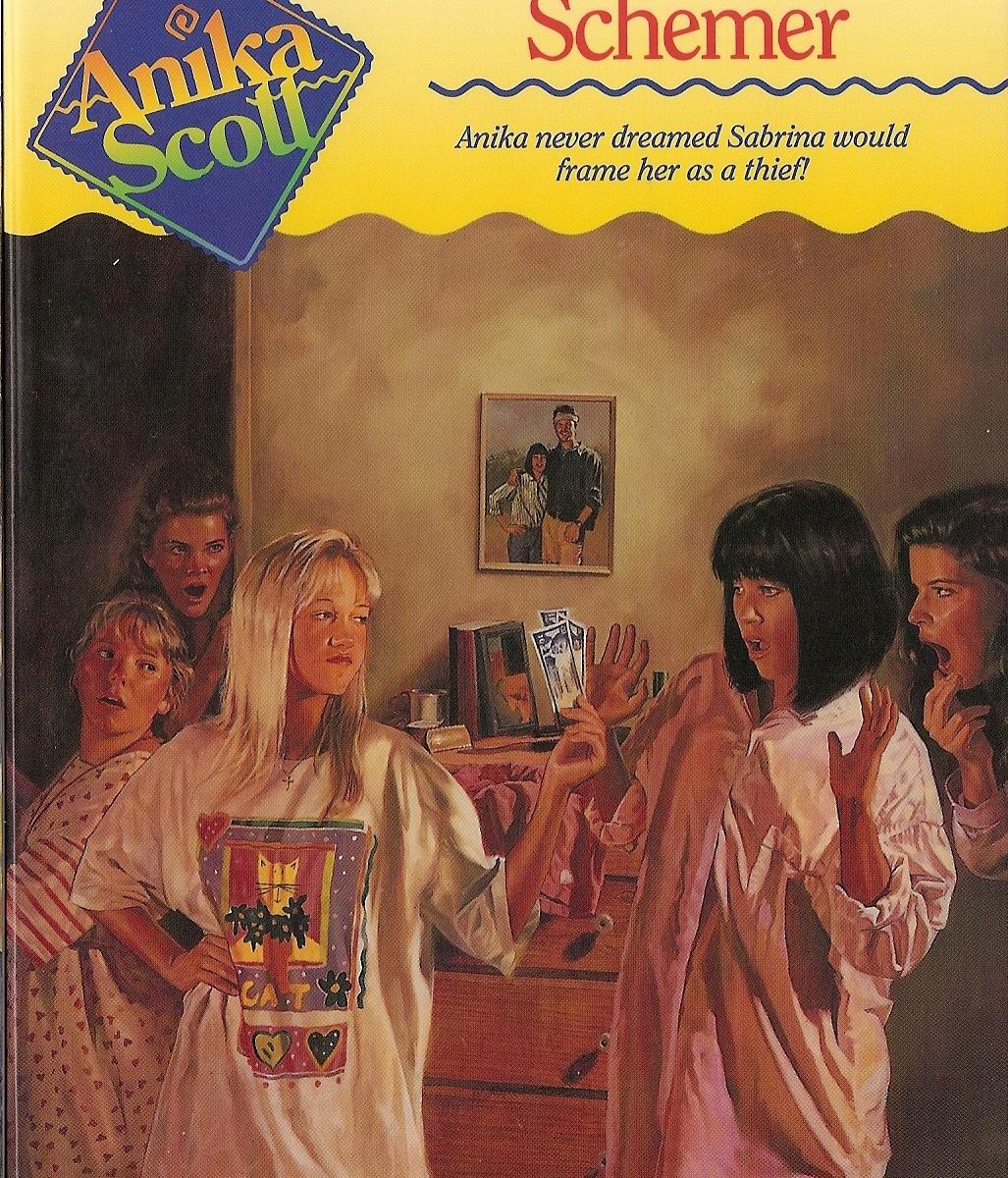
In this last book of the Anika Scott series, Anika’s term at boarding school begins badly, when her classmate Sabrina announces to everyone that Anika has “an illegitimate brother who drinks.” Despite Anika’s fears, the other girls do not hold this against her, but this only makes Sabrina’s grudge against her grow. Anika feels convicted about her own anger with Sabrina, but she does not know how to stop the feud. Only after seeking Sabrina out to apologize one night does Anika discover how lonely and unloved her classmate feels. This book shows rather clearly the difference between two boarding school students – one who feels confident of her parents unfailing love, and the other who is convinced that her parents have sent her away because she interferes in their work.
Reading level: age 10-14 years