
Léa, une jeune adolescente de 13 ans vivant à Nantes, adore le théâtre et sa bande de copines qu’elle connait depuis toujours. Seule ombre au tableau, elle vit seule avec son père. Sa maman réside depuis six mois à Chicago pour des raisons professionnelles. Ses parents décident de réunir à nouveau leur petite famille. Pour cela, Léa et son père doivent quitter la France pour les Etats-Unis. L’annonce de cette nouvelle est loin de satisfaire Léa, une adolescente vive et déterminée à prendre sa vie en main. Cette histoire plaira tant aux jeunes ados rêvant d’ailleurs qu’à ceux directement concernés par la problématique de l’expatriation. Ils se reconnaîtront dans les états d’âme de Léa, ses humeurs, ses joies et ses peurs. Un livre pour les pré-ados et jeunes ados expatriés ou sur le point de le.
Thirteen year old Léa lives in Nantes. She loves the theater and the friends she has known her whole life. The only downside is that she lives alone with her father because her mother has been working in Chicago for six months. When Léa’s parents decide to reunite their little family, she and her father must leave France for the United States – which is hardly good news to Léa, a lively teenager determined to take charge of her life.
This story will appeal to pre-teens and young teen Third Culture Kids, or about to become TCKs. They will recognize themselves in Lea’s feelings – her joys and her fears.
THIS BOOK IS ONLY AVAILABLE IN FRENCH

Though more of an immigrant story than a TCK one, Almost American Girl has many strong TCK themes throughout the graphic novel. This true story is told as a memoir in pictures by Korean American author Robin Ha. Robin is suddenly moved to Alabama, USA from Seoul, Korea without even being able to say goodbye to her friends or bring her most precious belongings. She just thought they were going on vacation! Now she has a new step-family who don’t seem to like her and she can’t understand anyone at her new school.
Despite the culture shock, her loneliness and her anger at her mother for suddenly uprooting her, Robin eventually makes friends and finds solace in comics and manga. She gets better at English and is surprised to find so many signatures in her yearbook at the end of the year. But when her mother’s new marriage fails, they move yet again.
In Virginia, Robin finds more international kids like herself and even Korean friends, and finally feels like she belongs. At the end of the book she visits Korea for the first time since she left and realizes that the country she has been longing for doesn’t even feel like home any more. She has changed and so have her old friends in Seoul. “I didn’t exactly fit in Korea or America,” she thinks to herself. And that was okay.
Naomi is a 12-year old Canadian girl who is forced to move to a small northern town in Japan and no one asked her if she wanted to go. She left behind her friends and her beloved grandparents and her dog Billy and she is not happy about it. Everything is strange in Japan and she’s seen as a strange outsider, not even able to read or communicate at first.
Gradually, Naomi begins to learn about Japanese festivals and foods and customs. She becomes friends with Midori, a Japanese girl her age who used to live in the US. And from there Naomi’s world begins to open up even more and she learns to love Japan and the people in her village. As she learns about her new home, the readers also get to learn about the language, writing and history of Japan. It’s a sweet, calming read and I was sad to put the book down.
This is the first book in a trilogy.
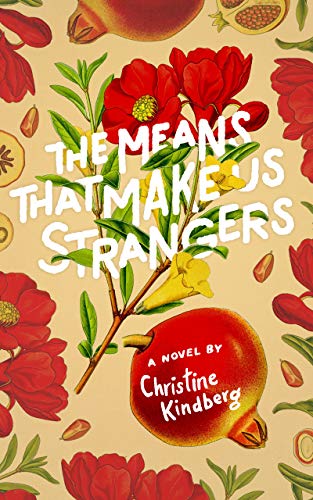
This novel follows Adelaide, who has lived her whole life in a small Ethiopian village with her anthropologist father, disengaged mother and two younger sisters. When she’s told that her family is moving to South Carolina you can’t help but cringe in thinking about this naive village girl leaving her village for the first time. Adelaide isn’t excited about it either and vows to come back and marry her childhood sweetheart.
Most of the story follows Adelaide’s friendship with the African American students who have enrolled in her white school. It’s 1964 in the South of the US and racial tensions are high. No one can understand why a white girl is friends with the black students and Adelaide can’t understand why it’s such a big deal since she has always been friends with black Africans.
This TCK novel follows some typical themes of culture shock and reentry which were rather extreme for Adelaide as she is basically as sheltered as someone can be. I also loved how Kindberg looked at racism and how white expats can be embracing of other cultures overseas and racist in their own countries. The end of the story also shows how difficult and different it can be to go back to where we grow up as an adult and realize we don’t fit like we used to.
Ten-year old Samantha is about to start her fifth school. After living in Nepal for several years, she and her family have returned “home” to Australia, but Sam has had a hard time fitting in.
Assigned to sit at a table with the “mean girls”, Sam feels excluded. When she is teased for ineptly explaining her parents’ jobs, she defends herself with a wild story about her mom, but that only makes things worse. As she gets in deeper trying to defend the lie the mocking gets meaner and Sam becomes more and more miserable until things finally reach a breaking point.
Though the story is about a young TCK the major theme of the book is how to recognize and handle subtle and overt bullying.
Ages 8-12
Available on Kindle here
The Becker family returns in this book, less sympathetically portrayed than in Portofino. Mr. Becker’s foul-mouthed, foul-tempered mother has moved in with the family while she recovers from a broken hip, and the family is not taking it well. Calvin, now age fifteen, spends much of his time dreaming of running away to Italy to his beloved Jennifer. There are quite a few sexual references (mostly in fantasy form) throughout the book. Still a funny book in places, I found myself laughing less than I did while reading Portofino. More often I sat shaking my head in disgust at the very un-Christlike behavior of Calvin’s self-righteous parents (surely any mission board’s worst nightmare come true). The Beckers do not paint a very flattering portrait of missionaries and their work and they do not seem likable in this book.