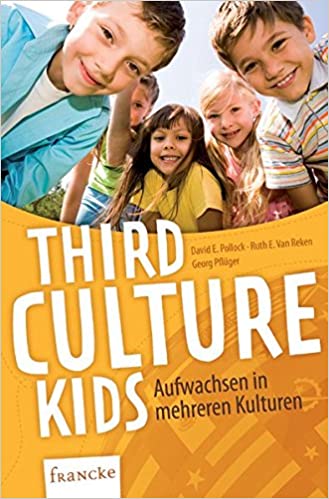
Ob in der Auslands-Niederlassung einer Firma, einer Missionsstation oder einer diplomatischen Vertretung – jährlich steigt die Zahl der Kinder, die in unterschiedlichen Kulturkreisen aufwachsen. Authentisch und sorgfältig recherchiert beschreibt dieses Buch, was das Leben dieser sogenannten ‘Third Culture Kids’ ausmacht, welchen besonderen Problemen sie begegnen und welche speziellen Chancen sich ihnen eröffnen. Denn unmittelbarer als ihre Altersgenossen lernen diese Kinder sowohl die Freuden des Entdeckens als auch die Erfahrungen schmerzhaften Verlustes kennen. Es gelten andere Gesetze für ihren Reifungsprozess, sie gehen andere Wege auf der Suche nach ihrer Identität und sie sind herausgefordert, jenseits aller Ortswechsel eine Heimat zu finden. In Interviews, Gedichten und Berichten lassen Pollock und Van Reken die TCKs zu Wort kommen. Aus ihren Zeugnissen arbeiten sie die charakterlichen und emotionalen Grundstrukturen heraus, die Kinder mit diesem Hintergrund in der Mehrzahl entwickeln.
This is the German edition of THIRD CULTURE KIDS by David Pollock & Ruth Van Reken

1951: Auf einem Flugplatz in Nigeria klettert die kleine Ruth in ein Flugzeug, das sie in ein Internat bringen wird – weit, weit weg von Papa und Mama, die als Missionare für Gott arbeiten. Und sie weint. Das ist der Auftakt eines verbissenen Kampfes, mit dem sie einen Schmerz niederzukämpfen versucht, der mit jedem Abschied von ihren Lieben tiefer geht und doch so gar nicht zu einem Gotteskind passen will. Jahre später: Ruth führt ein Bilderbuchleben als Missionarsfrau und Mutter. Dennoch leidet sie unter Depressionen, Wutanfällen und bohrender Kritiksucht, so sehr, dass ihr Glaube eines Tages Bankrott anmeldet. Doch dann: „Irgendwie beugte sich Gott zu mir herunter und sagte freundlich: Ruth, ich habe die ganze Zeit darauf gewartet, dass du endlich aufhörst zu kämpfen. Ich möchte dich in die Vergangenheit zurückführen, um dir zu zeigen, wo du Verletzungen erlebt hast. Ich hielt mich an Christus fest und erlebte im Rückblick all die Gefühle, die ich mir nie eingestanden hatte. Und so schrieb ich sie auf, diese Briefe, die ich niemals schrieb.“ Briefe einer Reise hinter den Schmerz, wo Ruth van Reken Heilung fand. Und eine Hoffnung, die allen Menschen gilt, egal unter welcher Art von Verlust oder Verletzung sie leiden.
This is the German edition of “Letters Never Sent” by Ruth Van Reken
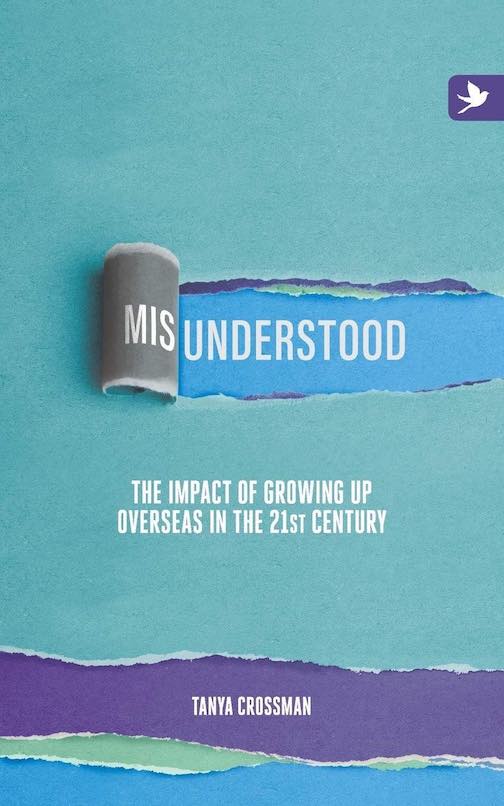
Misunderstood is a decent introductory book for those looking to better understand TCKs, written for TCKs themselves, parents, and those who care for TCKs (like counselors or those who work for the parents’ organizations). It goes into detail about the different types of TCKs (like military brats, missionary kids, etc.) and the pros and cons of different schooling options while outside your passport country.
The book is based on interviews that the author has conducted on a large sample of TCKs and included many quotes and stories to accompany each section. While this lends credibility to her book, it can also be misleading.
Being a TCK caregiver, I know many TCKs who would disagree with the generalizations that she makes. It seems she interviewed TCKs who identify strongly with their overseas experiences and have struggled in adapting to their passport cultures. She said every TCK she interviewed claimed reentry was “a particularly difficult experience” (pg. 211). I know several TCKs who would disagree and say the experience was not very difficult for them. Many TCKs adapt well to their passport culture and do not strongly identify with being a TCK, though these are probably the TCKs least likely to volunteer to be interviewed about TCK experiences.
So while the book as a whole is a good summary of TCK experiences in general, one has to keep in mind that her interview sample was likely skewed and many TCKs would say her generalizations about TCK beliefs and experiences do not fit them.
A memoir of a missionary kid processing her experience of growing up abroad, and especially of going to boarding school as a young child, “Letters Never Sent” takes the reader through a process of healing and seeking closeness with God. Written in the form of letters to her parents (the original title is more apt: “Letters I Never Wrote”), this is her story from early childhood through adulthood as the discovery that pain and purpose can co-exist begins to bring comfort & healing.
While unmasking some of the darker sides of missions and especially the family separations that often go along with it, Van Reken still honors the good in her experiences and how much she loves her and parents and loves God. She doesn’t look at her experiences in black and white but still gives helpful advice to those who are on a similar journey towards recovery and to parents of TCKs who don’t want to repeat her parents’ mistakes.
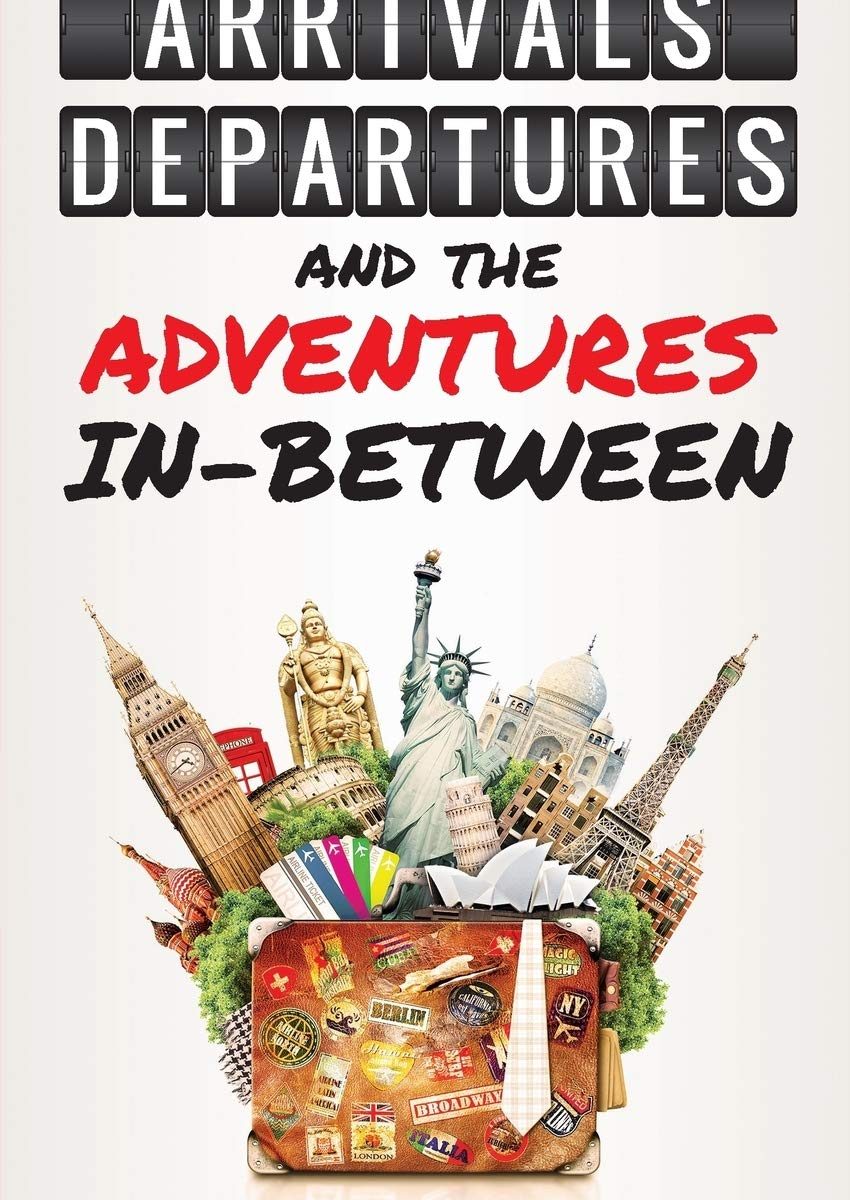
This is a fun book that summarizes what being a TCK is all about using hilarious anecdotes from the author’s adventures and crazy life. I laughed out loud a lot reading this book and that isn’t normal for me!”Arrivals and Departures” would be a great introductory book for teens and young adults learning about what it means to be an TCK. It’s easy to read because of all the stories and hits important issues for TCKs like dealing with grief, navigating new friendships, the difficulties of reentry and finding your identity.
O’Shaughnessy grew up as a military brat between England and the USA and most of his stories are drawn from travel in Europe, so this book would be best for European MKs. It seems like he assumes most MKs live in tight-knit communities with lots of friends and travel adventures, but I know plenty of MKs who feel lonely and disconnected, especially those in more remote parts of the world or those who do home-schooling or online school. This book may set up unrealistic expectations of community living and life-long TCK bonds that not all TCKs get to experience, but otherwise it’s a great read.
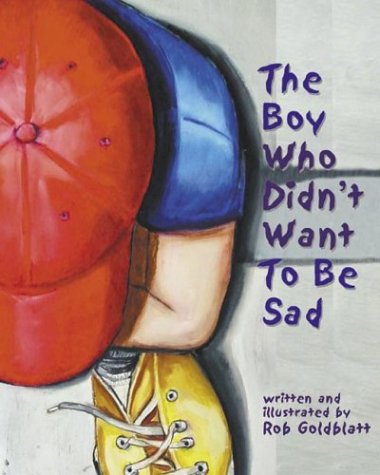
This is an all-ages book that should be in every TCK’s library, even though it is formatted like a children’s book. It tells the story of a little boy who decides to banish everything that makes him sad, only to find that without all those things he’s… sad! Realizing that the things that make him sad also make him happy, he reclaims everything & lives happily & sadly ever after. A funny story with a powerful message about the paradox of TCK life–that joy & sadness go hand-in-hand.
“The Boy Who Didn’t Want to be Sad” is a great book for kids (and teens and adults) who are tired of all the goodbyes and losses of a mobile life. Whether it’s moving or being left behind by friends who move away, it can seem easier to stop investing because it hurts. This book reminds us that what brings us sadness is also what brings us joy.