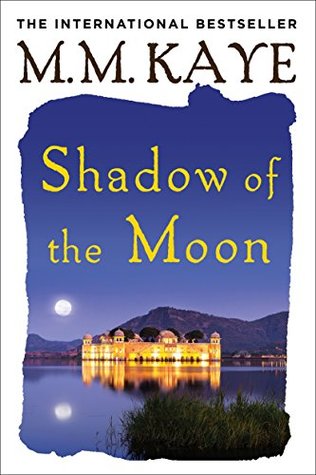
Isabel and her brother Victor were born in Malaya but not long after put hastily onto a ship just ahead of the invading Japanese army and taken from the only home they’d known to be raised in England with an elderly aunt. Victor was just a baby, but Isabel mourned the parents and beloved amah who were left behind and never seen again. The book is set in 1973 when Victor, now a rather dull adult, invites the sentimental Isabel to go to Kuala Lumpur with him on a business trip. Defying her stiff and conventional husband, she agrees, giddy with anticipation of revisiting their childhood home and learning more about the fate of their parents, especially the mother, who she vaguely remembers disappeared shortly after Victor’s birth, leaving the children in the care of their father, and later, a kind stepmother. Victor disapproves of her “obsession”, wanting to leave the past buried. But even he is drawn in as they begin to learn more from one of his colleagues who had met their parents. Isabel is drawn to Malaysia – a country both familiar and unfamiliar – and to her brother’s colleague, Oliver, who helps her unravel the story of her family. This book has enough accurate descriptions of the area to delight those familiar with the country, and it touches on some of the emotions of returning to a childhood home after being away many years and finding oneself torn between a deep sense of belonging and a feeling of displacement.
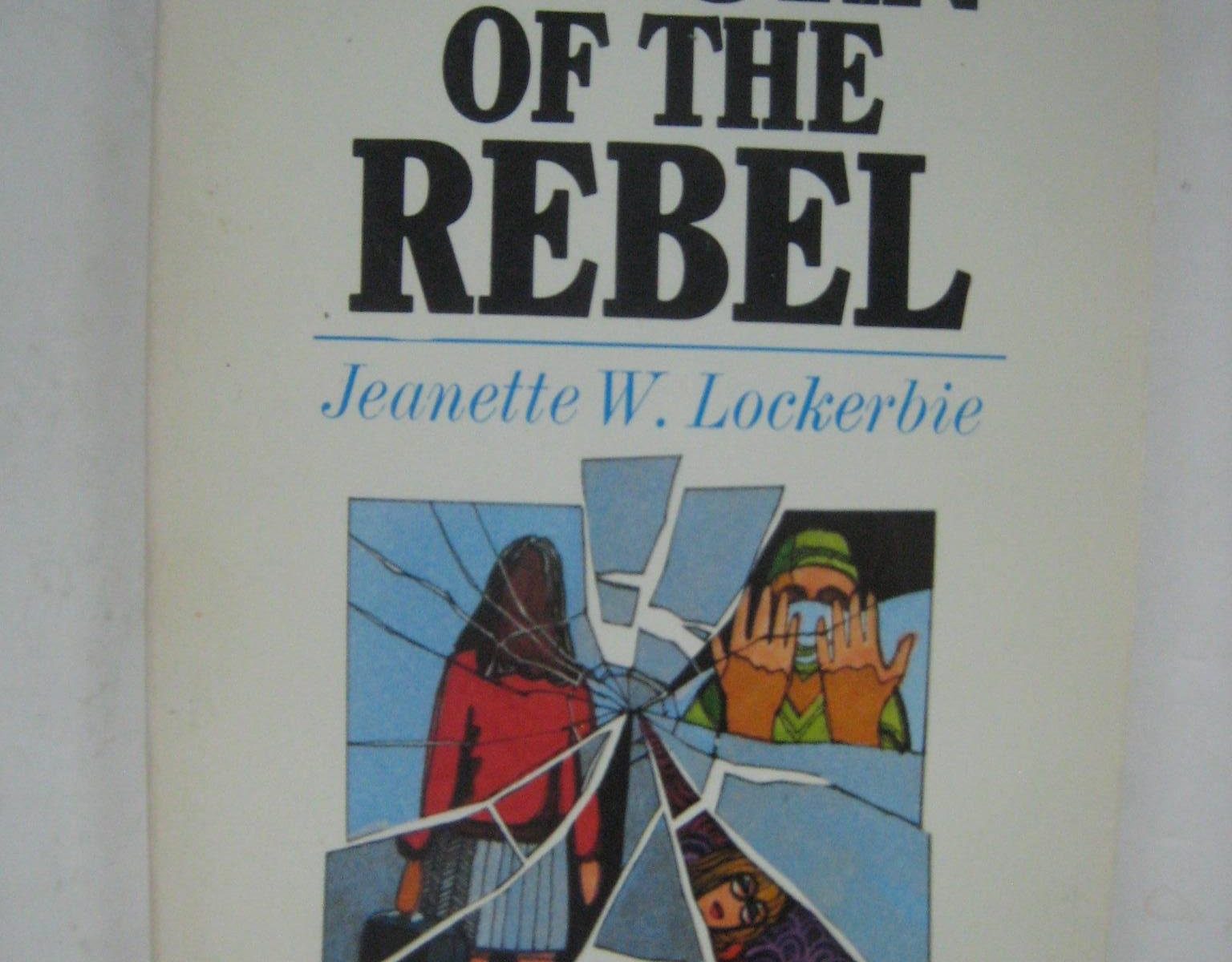
A book from a bygone era (so rather dated in its style), this is a story about Ellyn Secord, daughter of medical missionaries, who hates the word “missionary” and all it stands for. She feels her parents’ career deprived her of their attention and of a real home. In her anger, she lashes out at those around her. When she learns through painful experience that this brings her no happiness either, she must confront her view of God and decide what to do about her relationship with him. Written by the mother of Bruce Lockerbie who did some of the early research on MKs.
Jon Kregel’s nonfiction, first person account of his life journey from missionary kid to professional soccer player (and teammate of soccer superstar Pele) to drug dealer and prison inmate. Jon writes about what really happens in the “glamorous” world of easy money and drugs. Against a backdrop of self-destruction and hopelessness emerges an inspiring, challenging story of the faithfulness of God and of forgiveness and reconciliation.

In 1959, the bad-tempered missionary Nathan Price leaves Georgia with his family “to bring salvation to the darkness” of Africa. Though rejected by the Baptist missionary board for lack of psychological fitness, he defies them, moving his wife and four daughters unsupported to the jungle to save the “savage” citizens of Belgian Congo. Set against Congo’s fight for independence, the story is narrated in turn by Nathan’s wife and four daughters. It spans 3 decades and follows the family’s falling apart and coming back together. It’s wonderfully written. The subtle transformation of the mono-cultural daughters into culturally-blended TCKs is illustrated deftly. TCKs from that part of the world will delight in the vivid descriptions of life in Congo – some poignant, some laugh-out-loud funny. That said, it is a story of pain and loss that paints an extremely bitter picture of Missions, and that may make it difficult for some MKs to appreciate. The author is a TCK (but not an MK) who lived in Congo in this era.
This is the autobiography of the best-selling British author M.M. Kaye, describing her childhood experiences in India in the early 1900s. The book is full of vivid descriptions of places and experiences that will appeal to many TCKs. Writing at age 82, she idealizes her early years in India and sees her return to England as a kind of purgatory, which some TCKs may relate to. M.M. Kaye’s autobiography continues with The Golden Afternoon, which tells of her return to India, and her sojourns in various countries as an adult.
The story of Wintere Ballesteros, a half English half Spanish heiress born in India but later raised in England, who dreams of returning to her childhood home, where she will finally belong. When she returns to India as a young woman betrothed to man she has never met during the Sepoy uprising, her life is in danger, but she continues to long for her childhood home.